If you notice missing images, your browser’s ad blocker may be filtering advertising examples on this page. Disabling it for this website will reveal the full content.
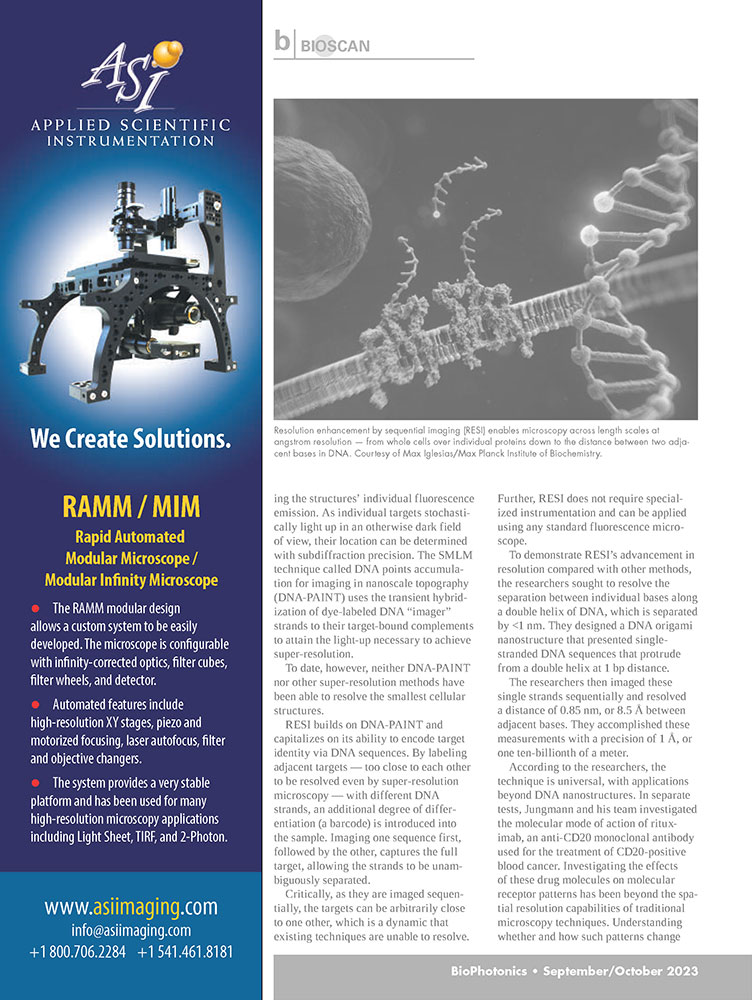
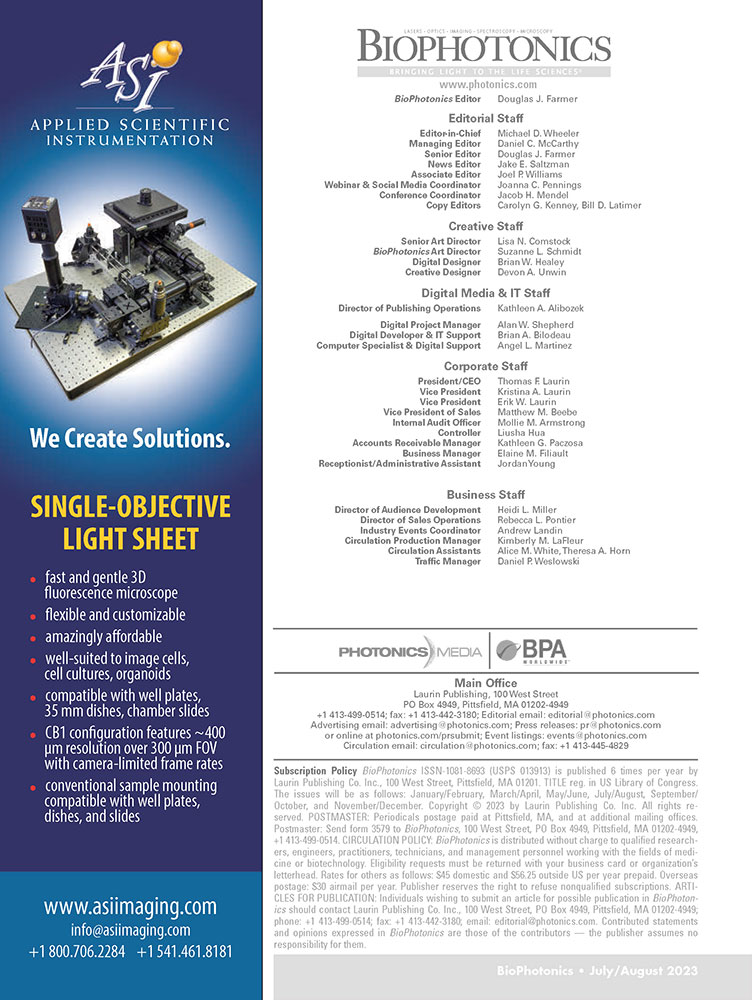
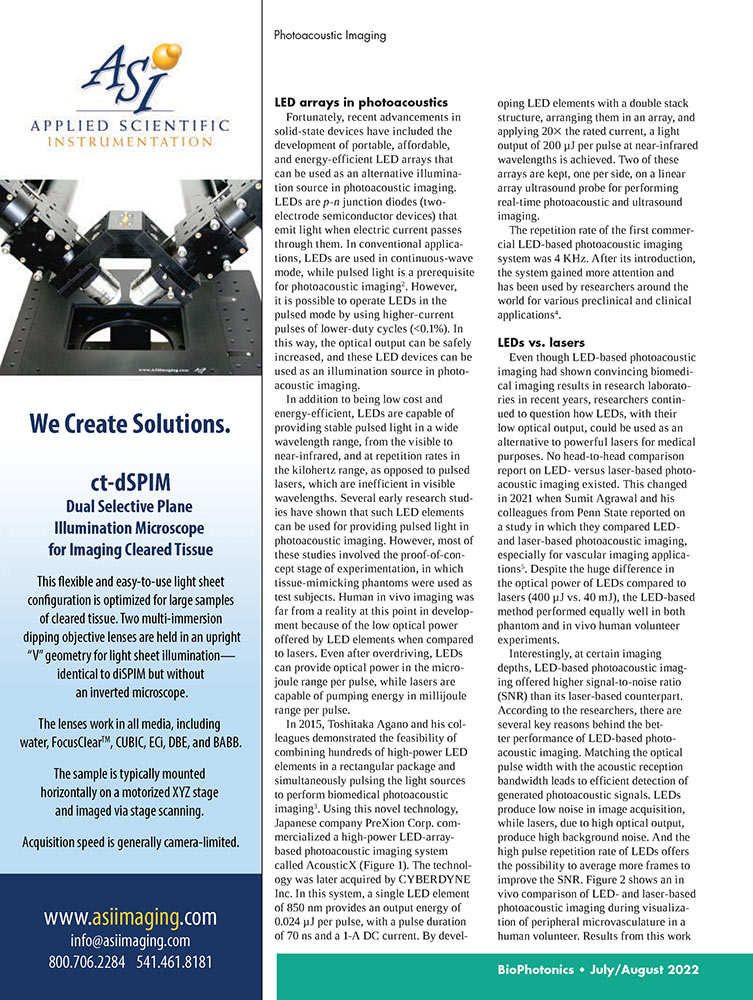
One-third page ads are a practical and widely used format in magazines: compact enough to fit into editorial flow, yet large enough to communicate a complete message. They appear in several configurations. The vertical (“Tall”) version typically occupies a single column and works well in narrow spaces alongside articles, while horizontal formats—square or banner—span two or three columns and behave more like miniature full-page compositions. My work in this format has been exclusively in the vertical orientation, developed for the scientific magazine Biophotonics, where clarity and efficient use of space matter more than visual spectacle.
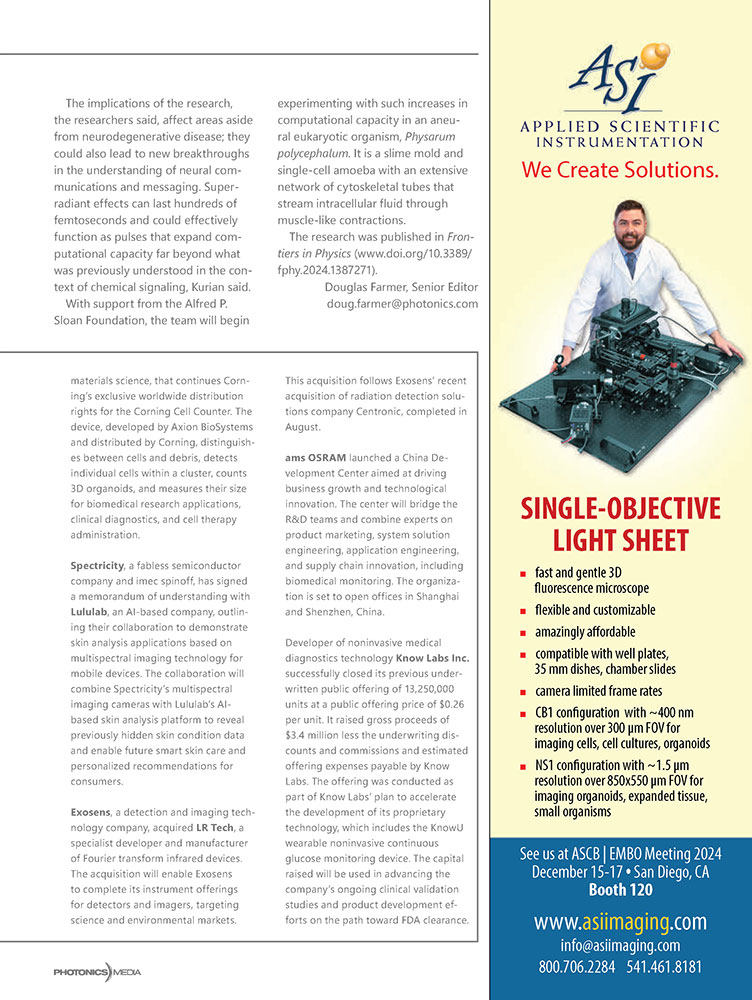
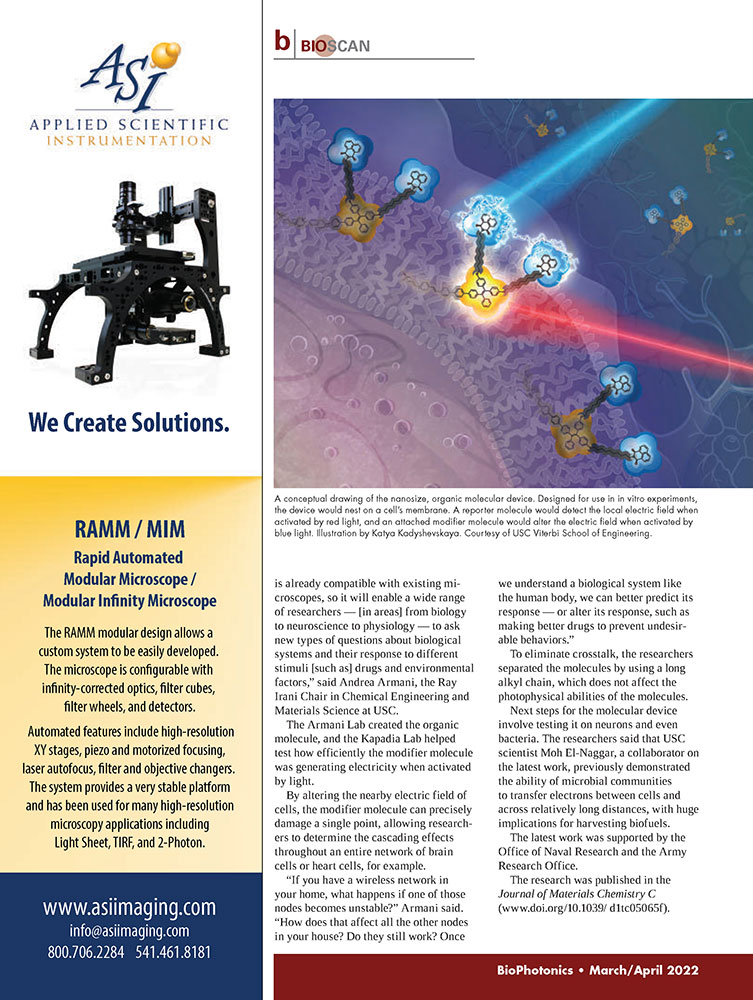
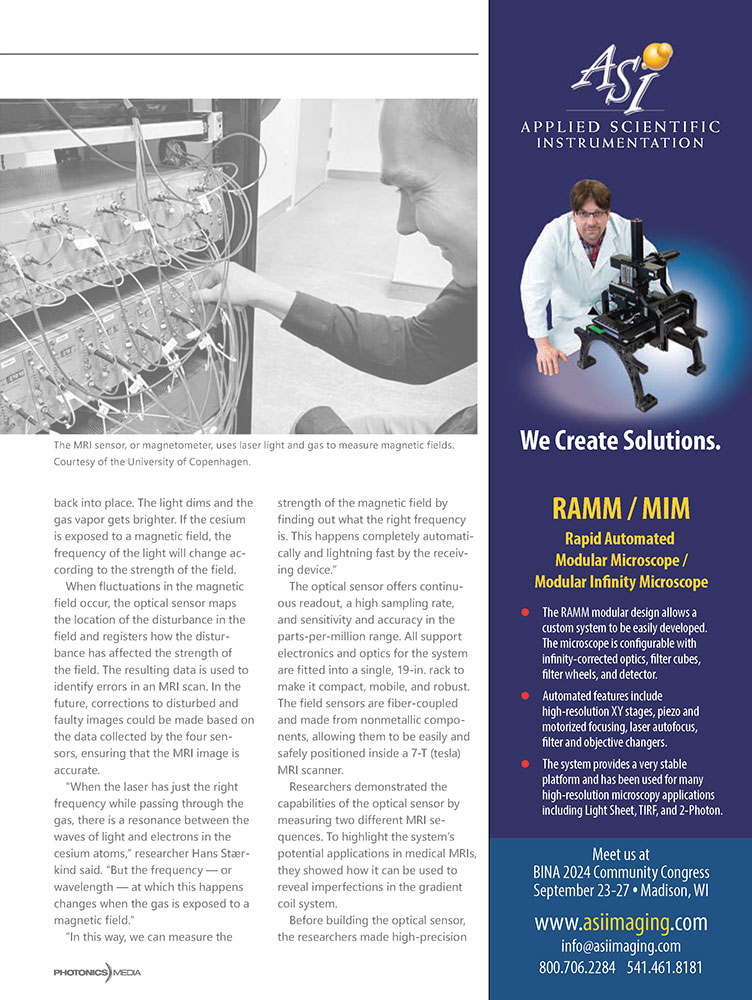
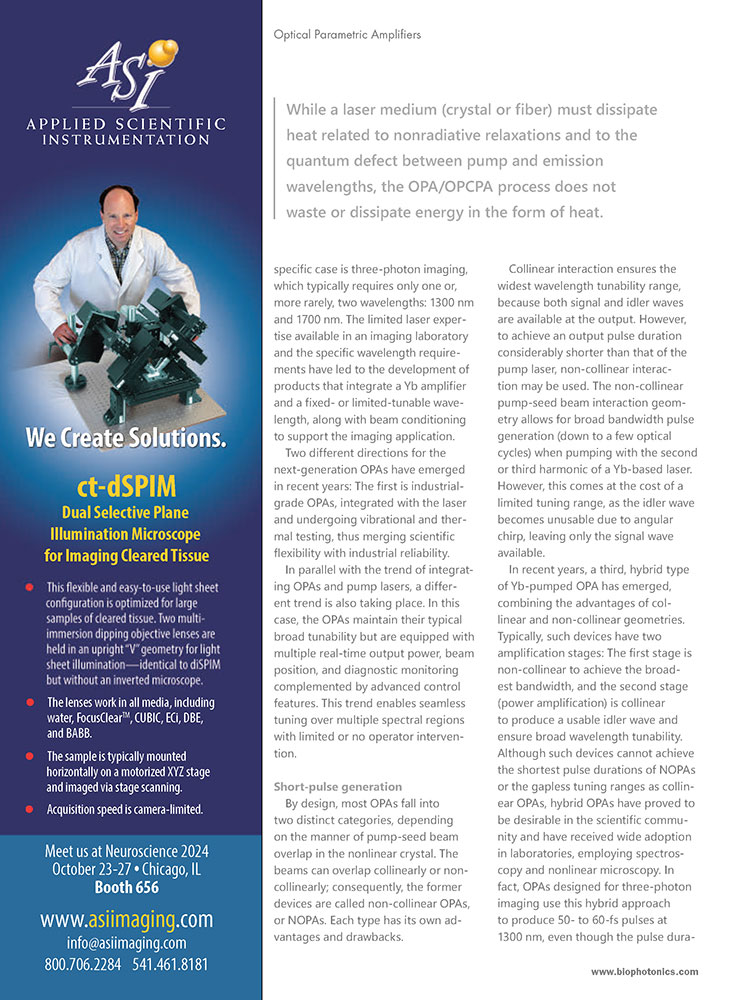
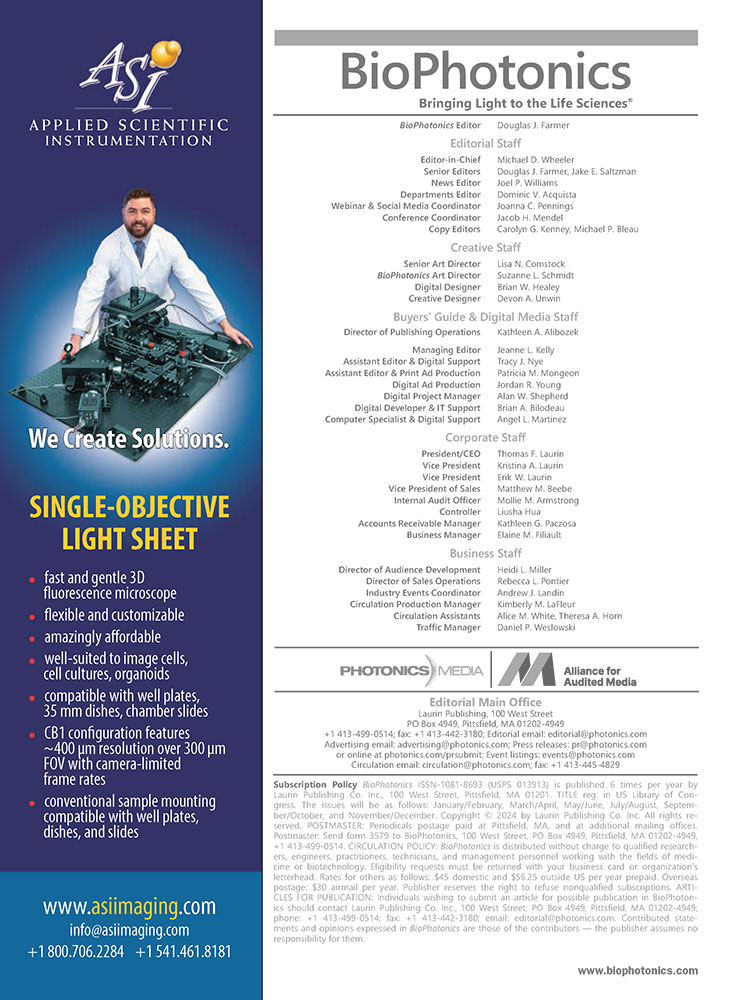
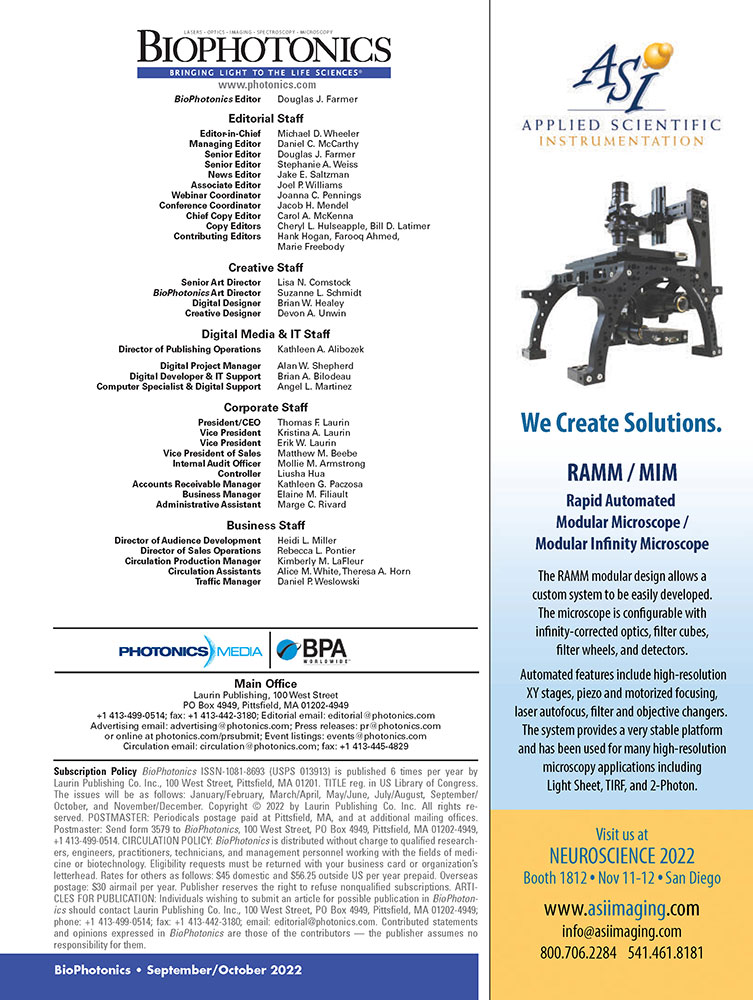
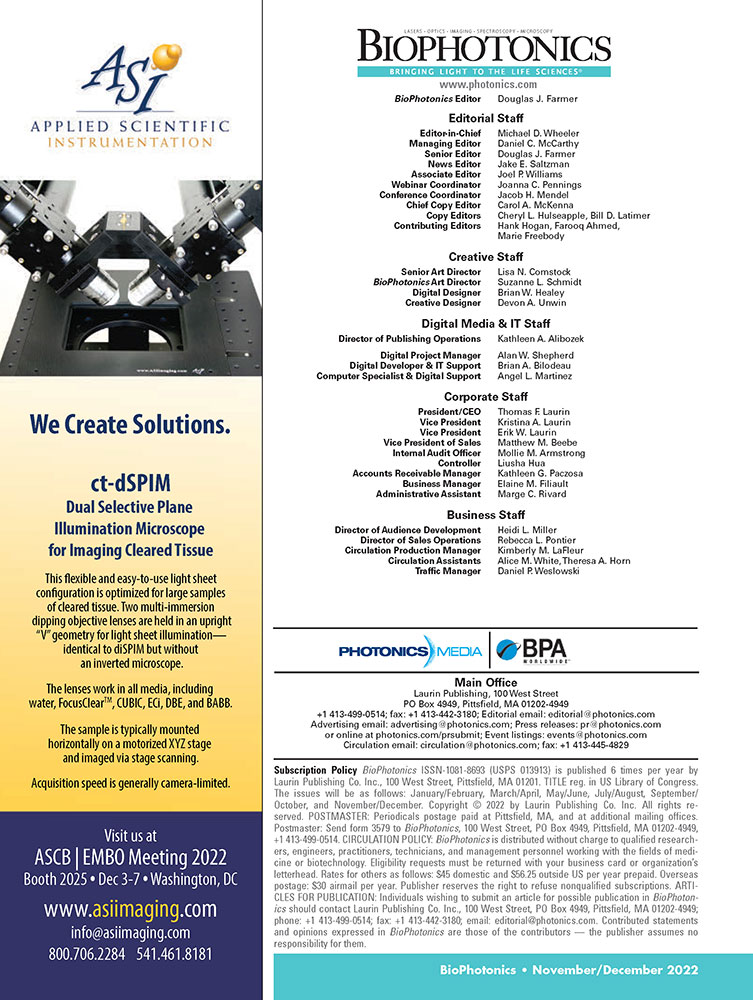
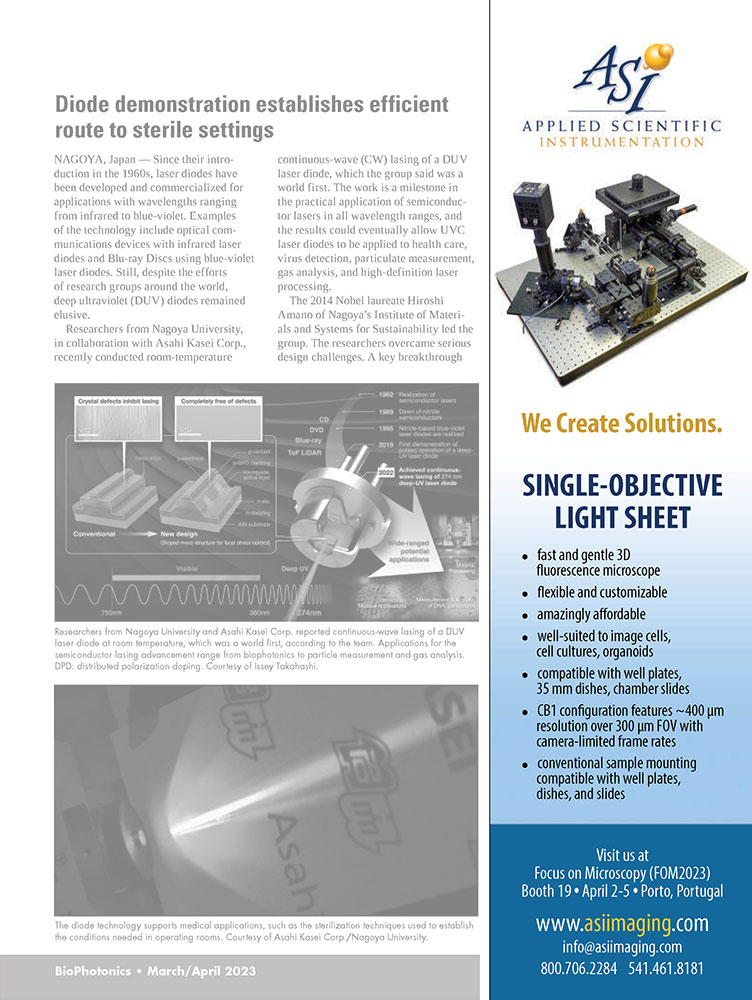
The twelve ads presented here follow a consistent internal structure. At the top sits the company logo, followed by a product image and the motto, “We create solutions.” (the period is intentional). Beneath that comes the product name and a concise list of specifications. The lower portion is reserved for contact information—website, email, telephone—and occasionally an invitation to meet company representatives at a conference or trade show, complete with date and booth number. This sequence repeats from issue to issue. Rather than signaling a lack of invention, it establishes a stable rhythm that readers can recognize and navigate quickly.
Each ad on this page is linked to its published context, allowing you to see it “in action” within the digital version of the magazine. Context matters: a design that feels balanced in isolation may behave differently when surrounded by dense editorial content. These placements demonstrate how the same structure adapts across pages while remaining visually consistent.
Within that framework, I experimented with color and gradient, especially in backgrounds and transitional elements. Over time, I arrived at a simple conclusion: even technical advertising benefits from a degree of human presence. Some of the ads therefore include photographs of the scientists and developers behind the instruments—real people rather than abstract representations. Seeing them later at conferences closes a small but meaningful loop between image and experience. It turns an advertisement into a point of recognition, which, in this context, is often more valuable than novelty.