

Introduction
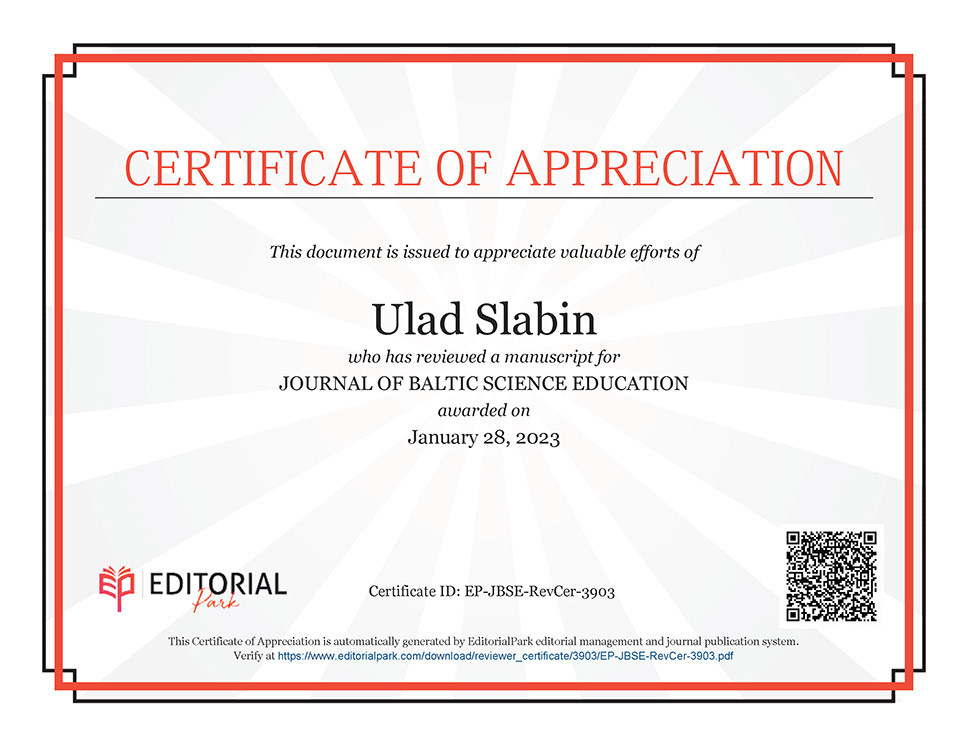
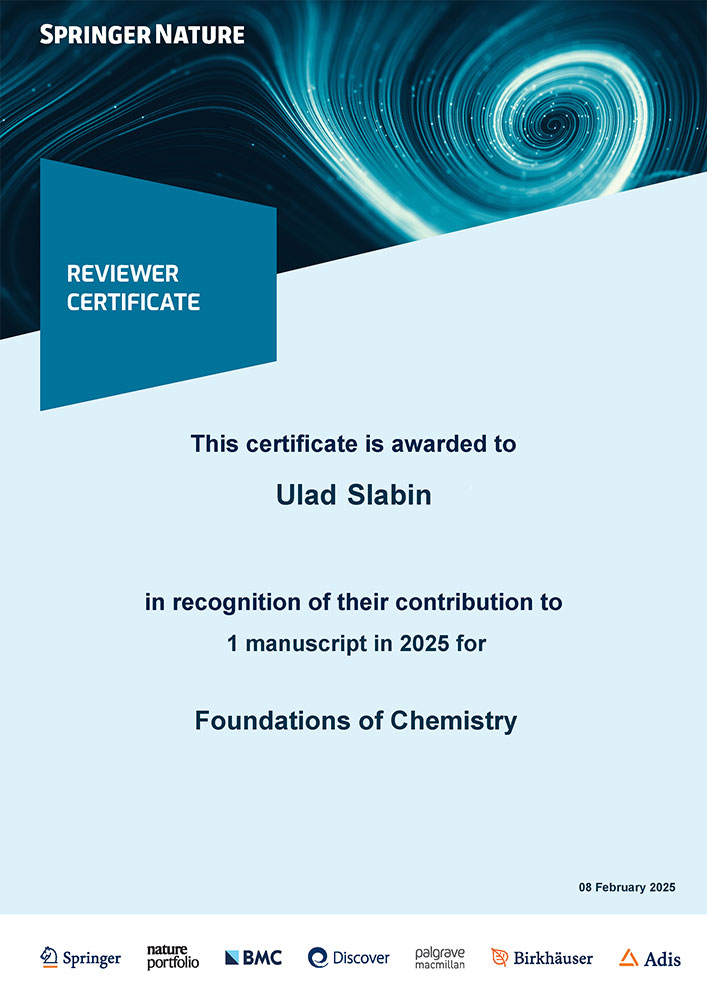
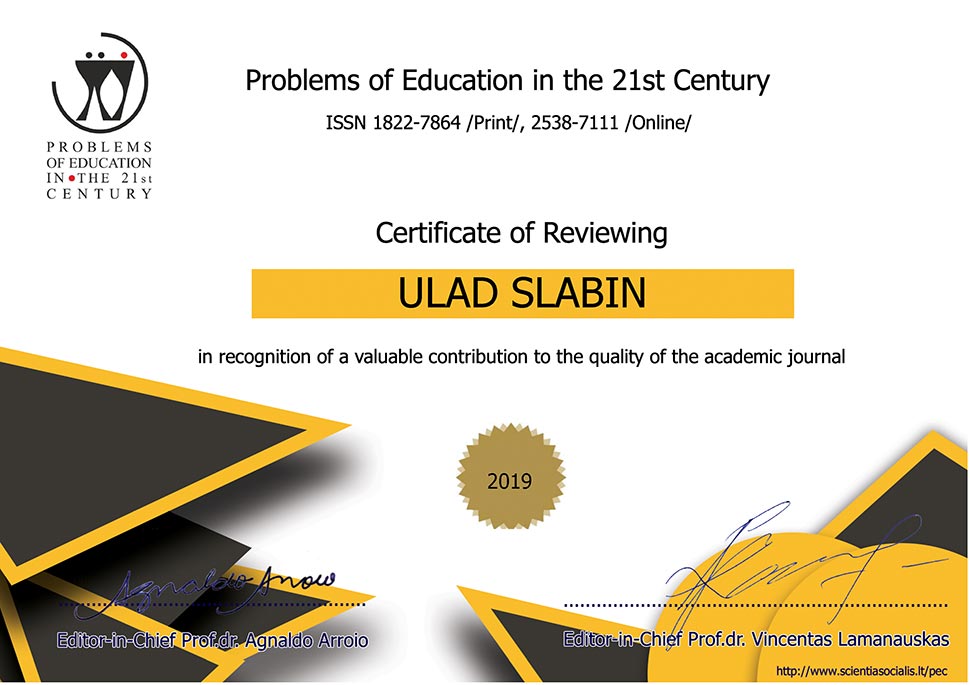
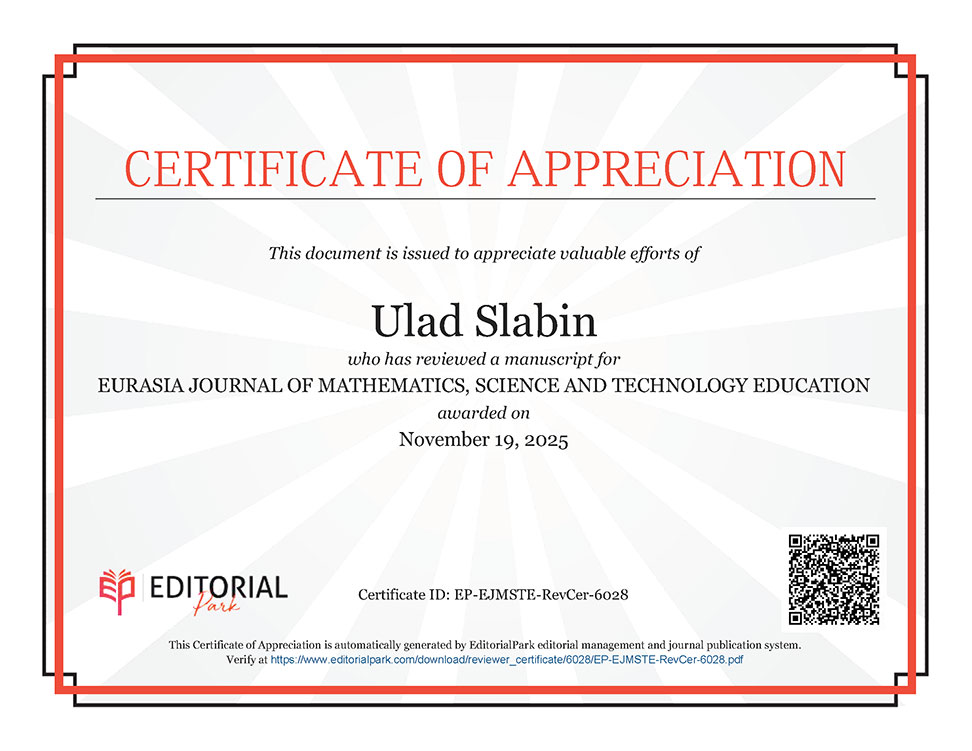
Reviewing occupies a quieter corner of my work, somewhere between analysis and editing. The four certificates shown here represent a long-standing engagement with scholarly peer review. Unlike design projects, this work leaves little visible trace; its results are embedded in clarity, structure, and credibility rather than in images or layouts.
The process itself is straightforward, if not always simple. An editor sends an invitation, usually accompanied by a brief description of the manuscript. Within a few days, I decide whether the topic falls within my expertise. If it does, I accept, log into the submission system (typically Editorial Park), and download the manuscript. From there, the timeline is defined: three to four weeks to read, evaluate, annotate, and return a structured review.
Scope of Work
There is little “classical” design here in the sense of composition or visual hierarchy. Instead, the focus shifts to intellectual and formal consistency. A manuscript must make sense scientifically before it can communicate effectively. I examine arguments for coherence, check whether conclusions follow from data, and note where clarification is needed. In parallel, I assess compliance with APA guidelines—citations, references, structure—since scholarly writing depends as much on convention as on content.
Language is another layer. Grammar, syntax, and style are addressed not as cosmetic improvements but as part of meaning itself. A misplaced modifier can distort an argument just as easily as a flawed equation. Whether this qualifies as copy editing is debatable; it is certainly related, but broader in scope. The task is not only to correct but to interpret, question, and occasionally challenge.
Role and Perspective
In that sense, reviewing resembles design more than it first appears. Both involve shaping material so that it becomes clear to others. The difference is that, here, the final form remains the author’s, not mine. My contribution is advisory, often invisible, and ideally seamless. When done well, it is difficult to detect—much like good typography.
These certificates, then, document not a finished product but a process: years of reading, evaluating, and refining texts across disciplines. It is a form of professional attention—less visible than a banner or a cover, but no less structured, and occasionally just as exacting.