

Today, nearly everyone owns a camera. If not a dedicated device, then at least the one built into a smartphone—perfectly capable, always present, and responsible for an ever-growing archive of daily life. I am no exception. I take photographs regularly, and some of them are even interesting in ways that might be called “artistic,” depending on one’s generosity.
This page, however, is not about landscapes, still lifes, or portraits. Those genres have their place, but they are not what I set out to show here. Instead, I focus on a more pragmatic and often overlooked foundation of visual communication: product photography. It is less about expression and more about clarity, less about mood and more about accuracy—yet it still requires decisions, taste, and restraint.
For a designer, product photography is not an optional embellishment but a starting point. Before layout, before typography, before any persuasive narrative can take shape, the object itself must be seen properly. A well-made photograph does not compete with design; it makes design possible.
Scientific equipment
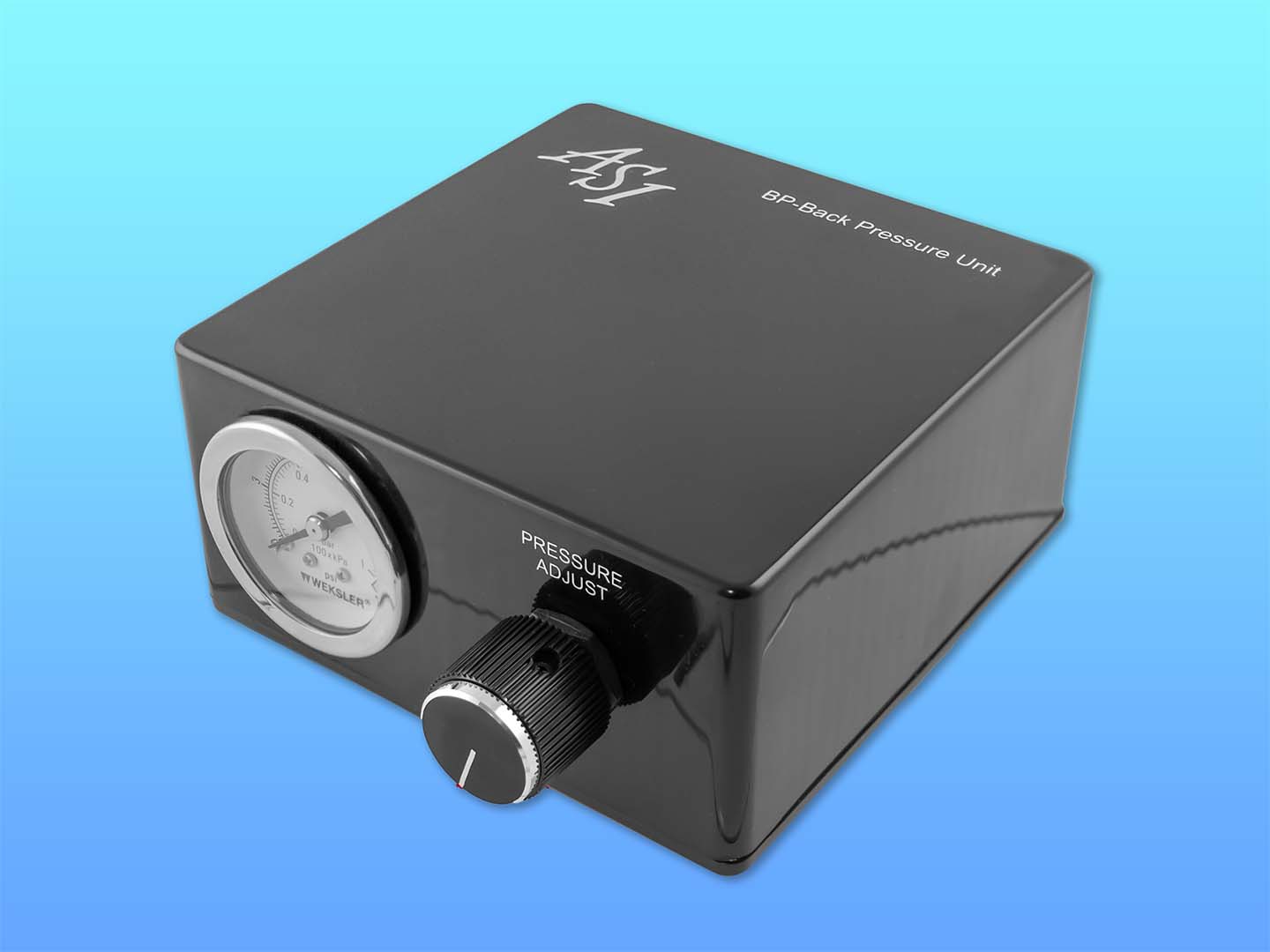
The first group presents sixteen photographs of microscopes and their components—stages, inserts, filters, sliders, adapters, and other precisely engineered parts produced by Applied Scientific Instrumentation. Each caption links to the corresponding product page, where the image appears in its natural habitat, surrounded by specifications and context. I also include SKU identifiers, which may seem excessive in a design portfolio but are essential in the world these objects inhabit.
Visually, these objects offer a limited palette: mostly black anodized aluminum, brushed metal surfaces, and occasional accents of gold from copper or brass, along with transparent glass. Left untreated, such material risks becoming monotonous. To introduce a controlled variation without misrepresentation, I subtly colorize glass elements—usually with a yellow bias. This is a common practice in optical imaging: the color does not describe the material literally but helps the viewer perceive it.
The goal is not to dramatize but to clarify. Edges must remain sharp, surfaces legible, and reflections intentional rather than accidental. In this context, even a small shift in lighting or hue can determine whether an object reads as precise and trustworthy—or simply as another black shape on a white page.
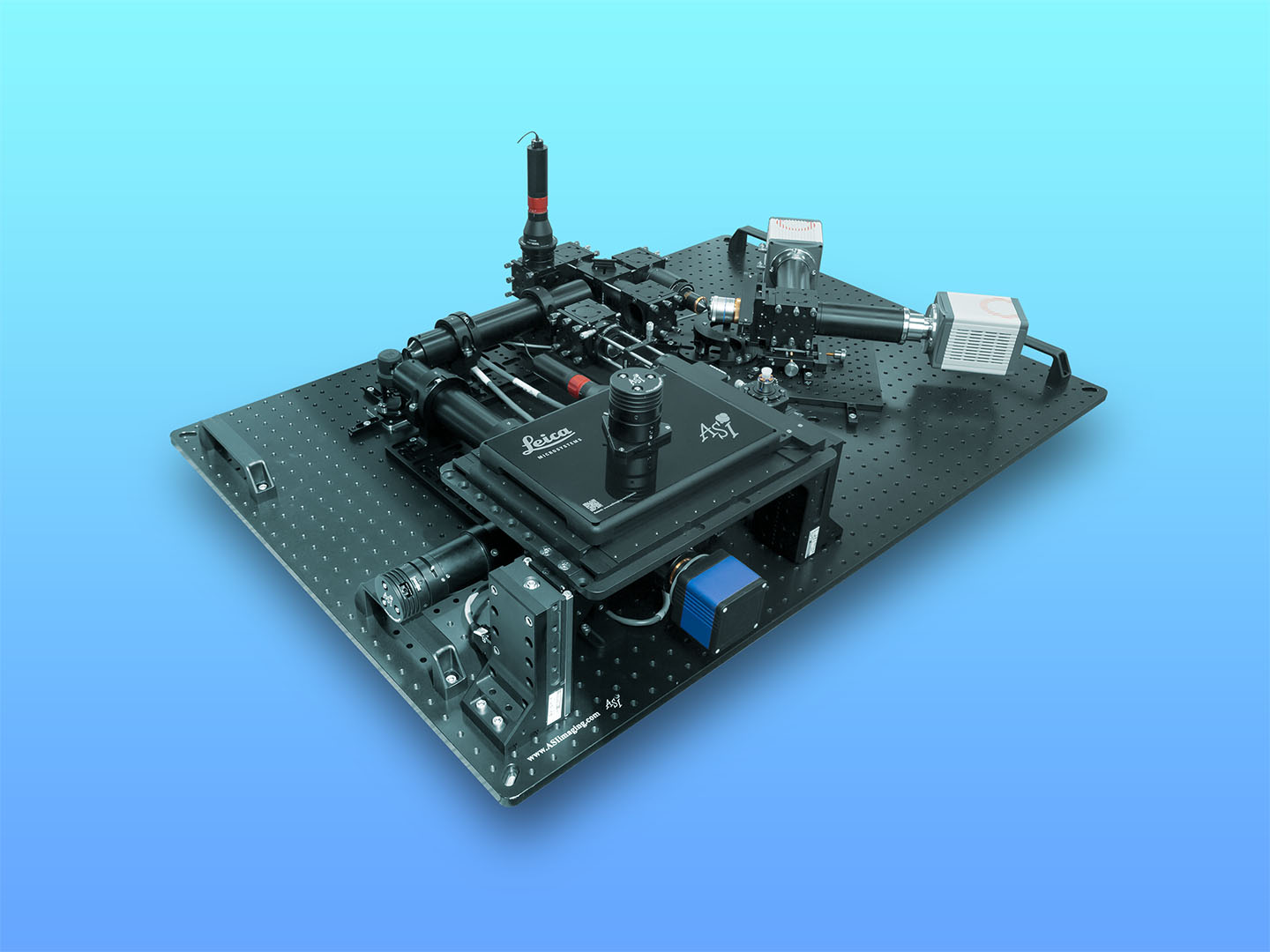
Single-objective light sheet microscope 00-0042-0108-0000R
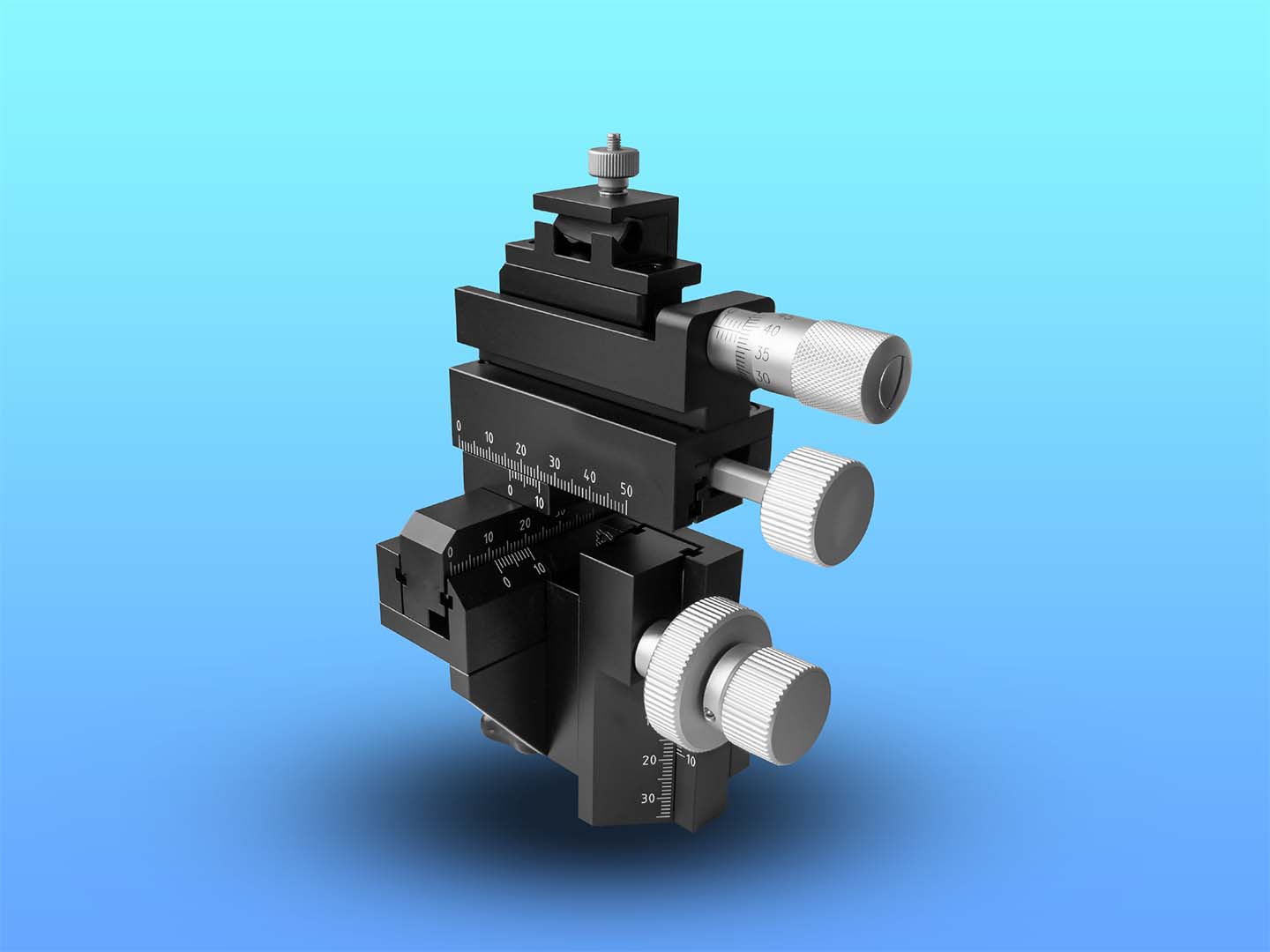
Märzhäuser micromanipulator 00-0042-0108-0000R
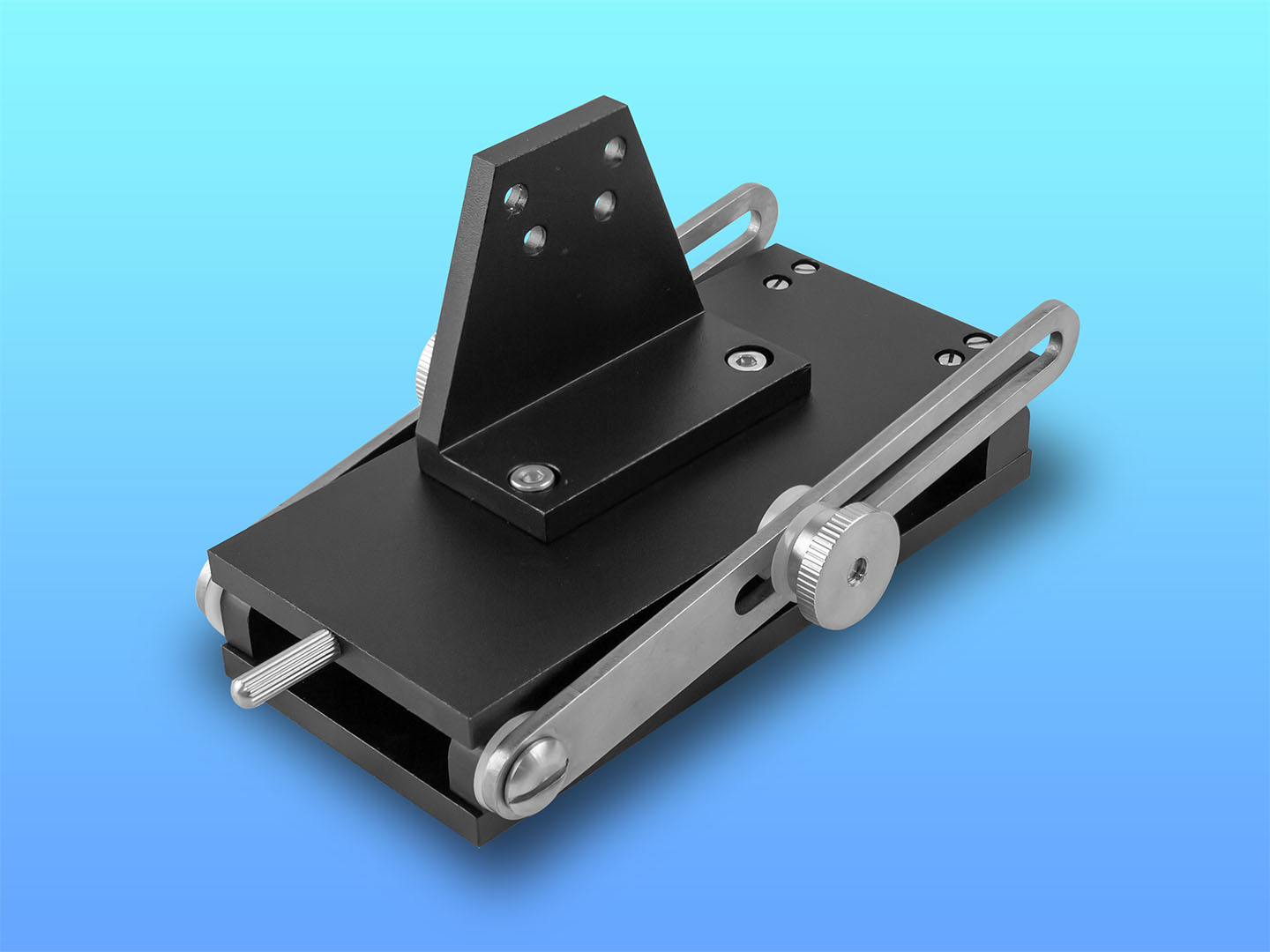
Tilting base 00-0042-0108-0000R
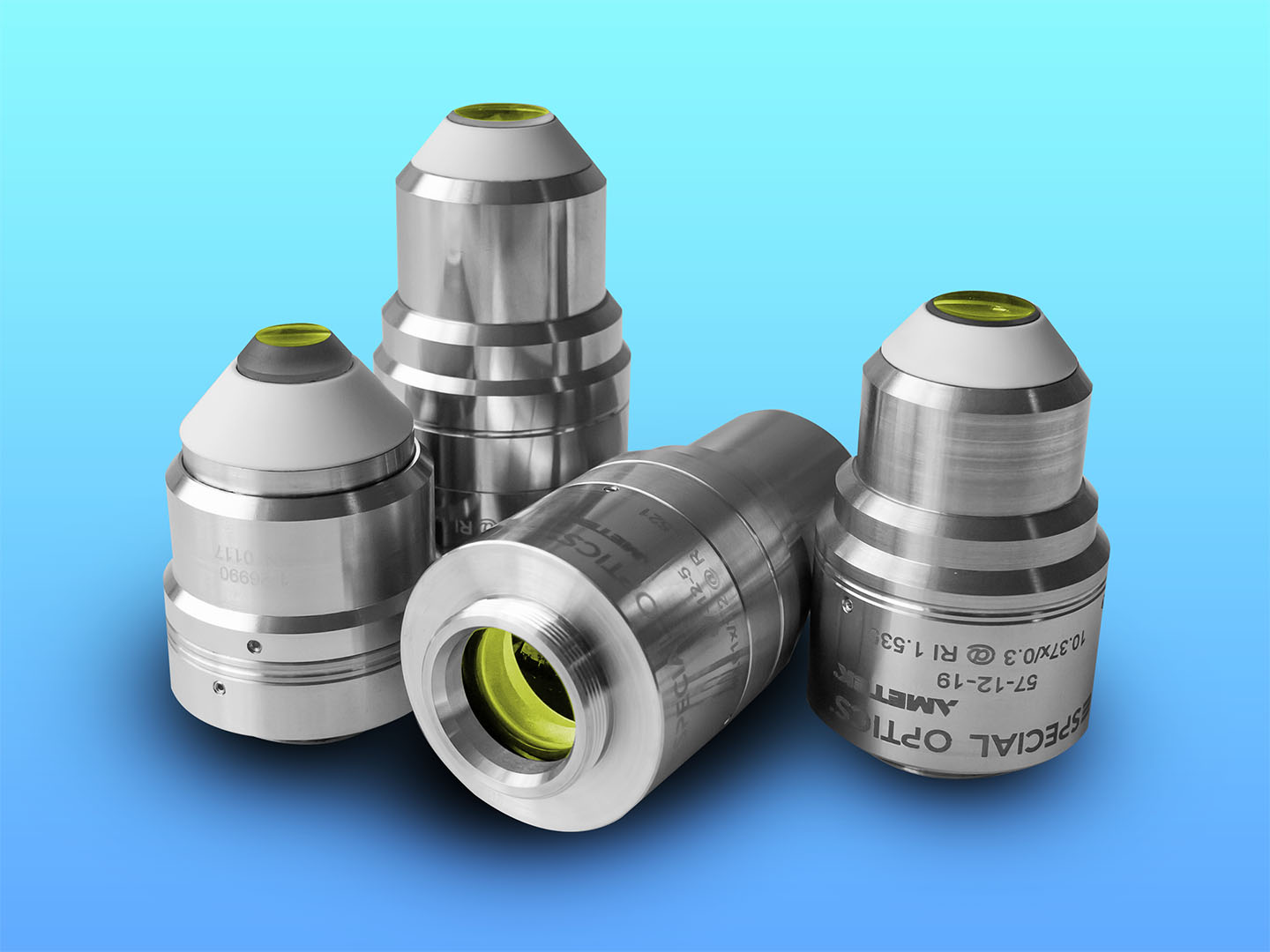
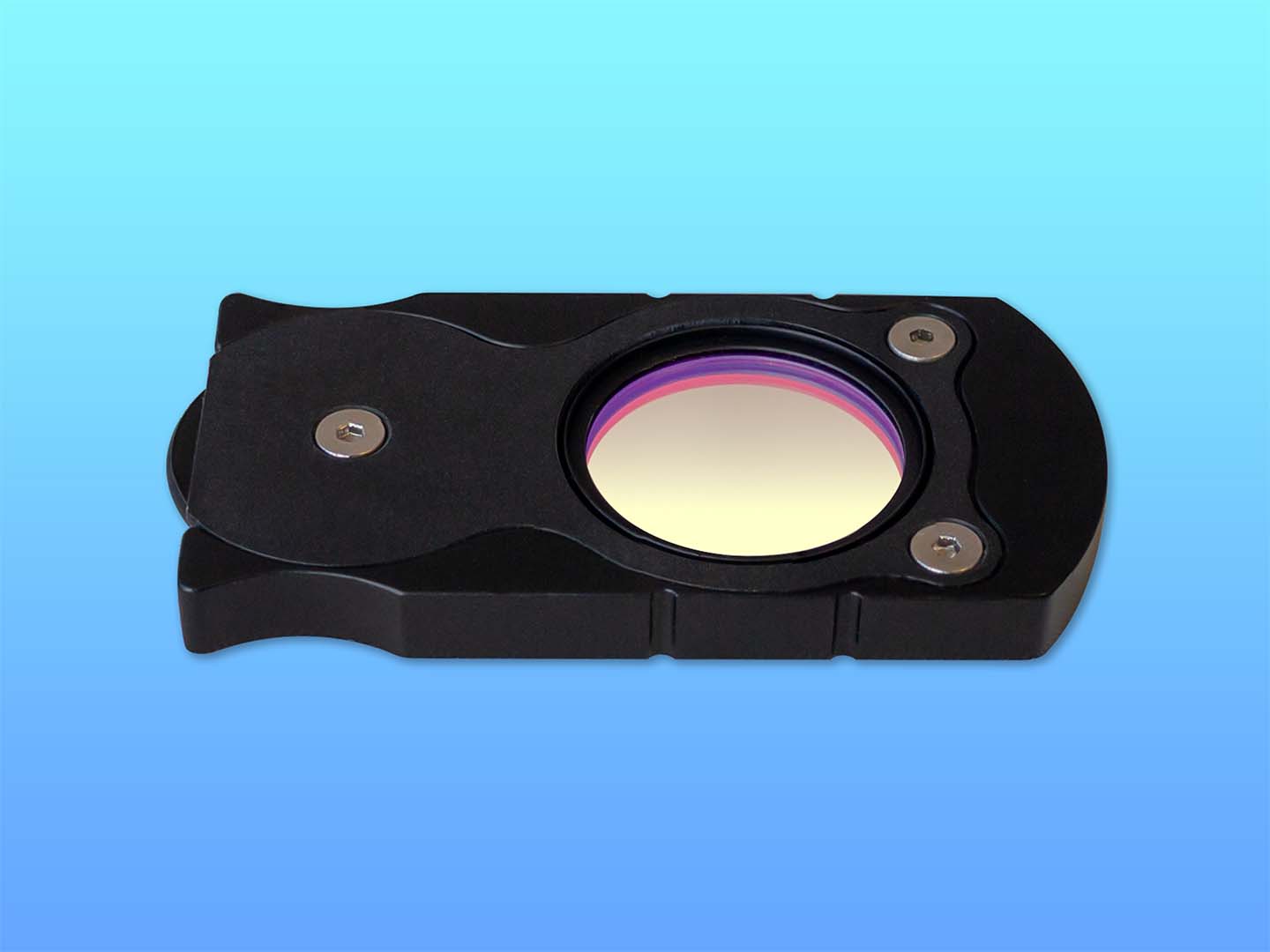
Manual filter slider C60-RPS
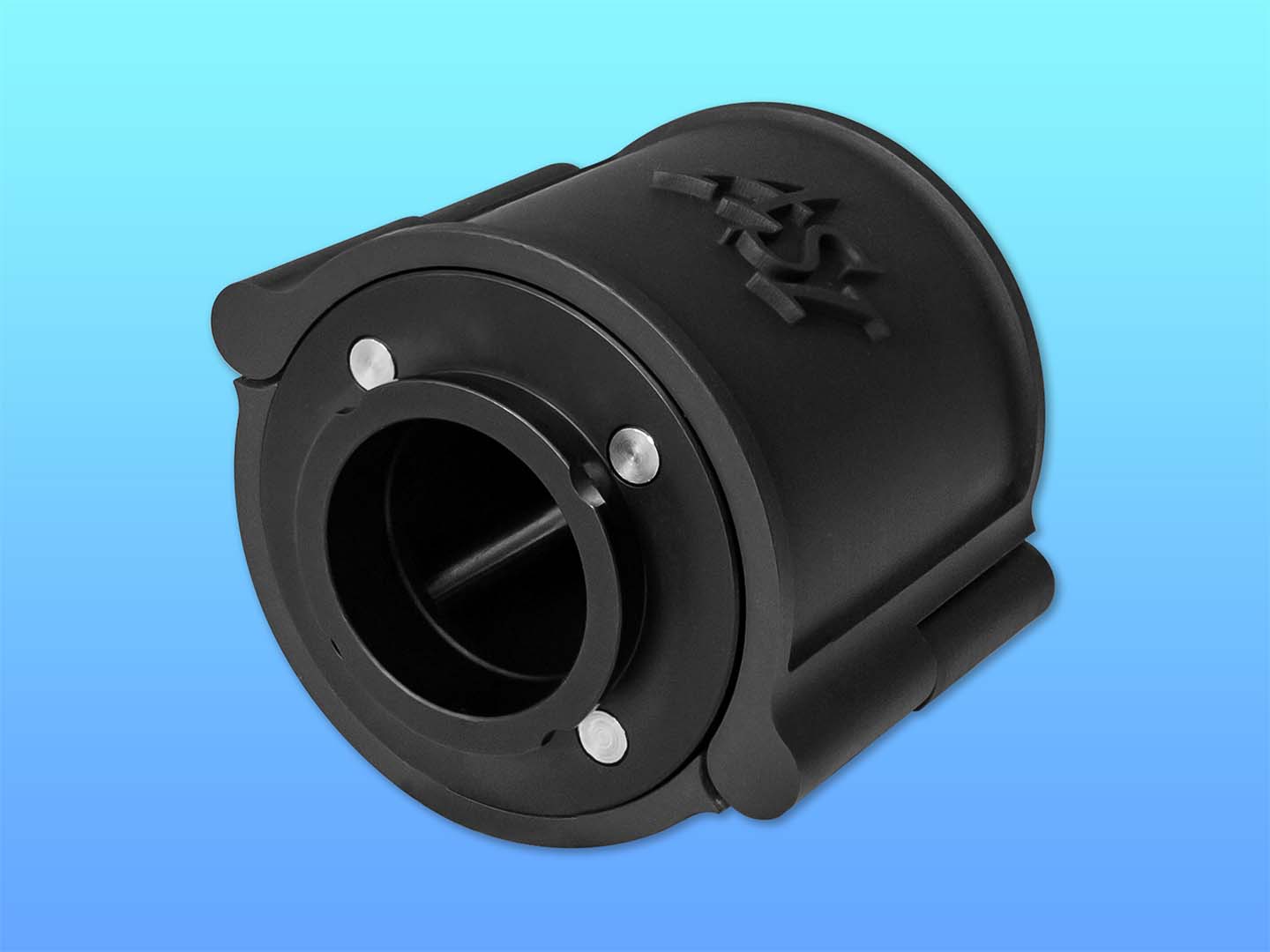
Dust cover for C60-CAGE-60 C60-30C-CC
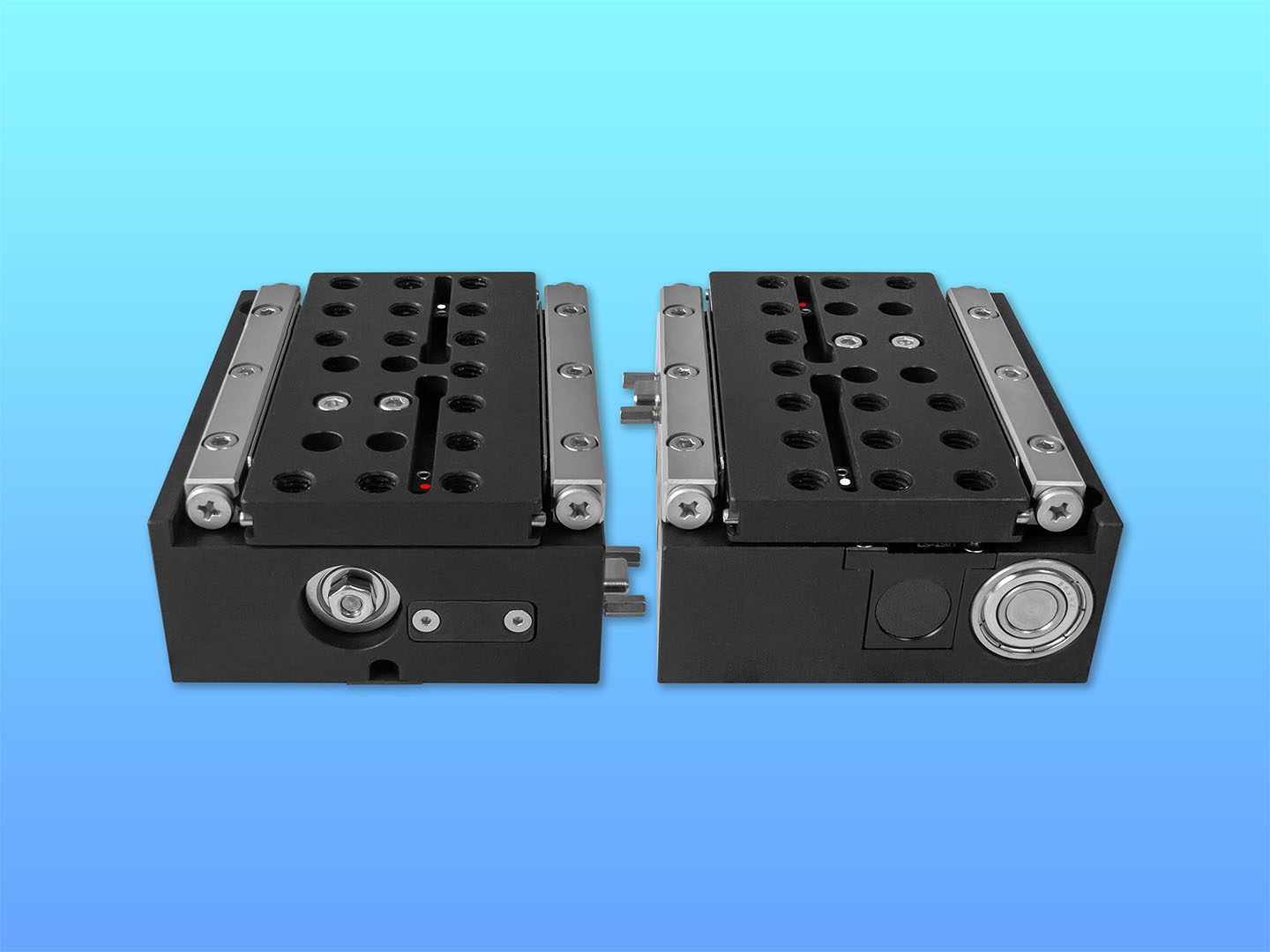
Linear microscope stage LS-25
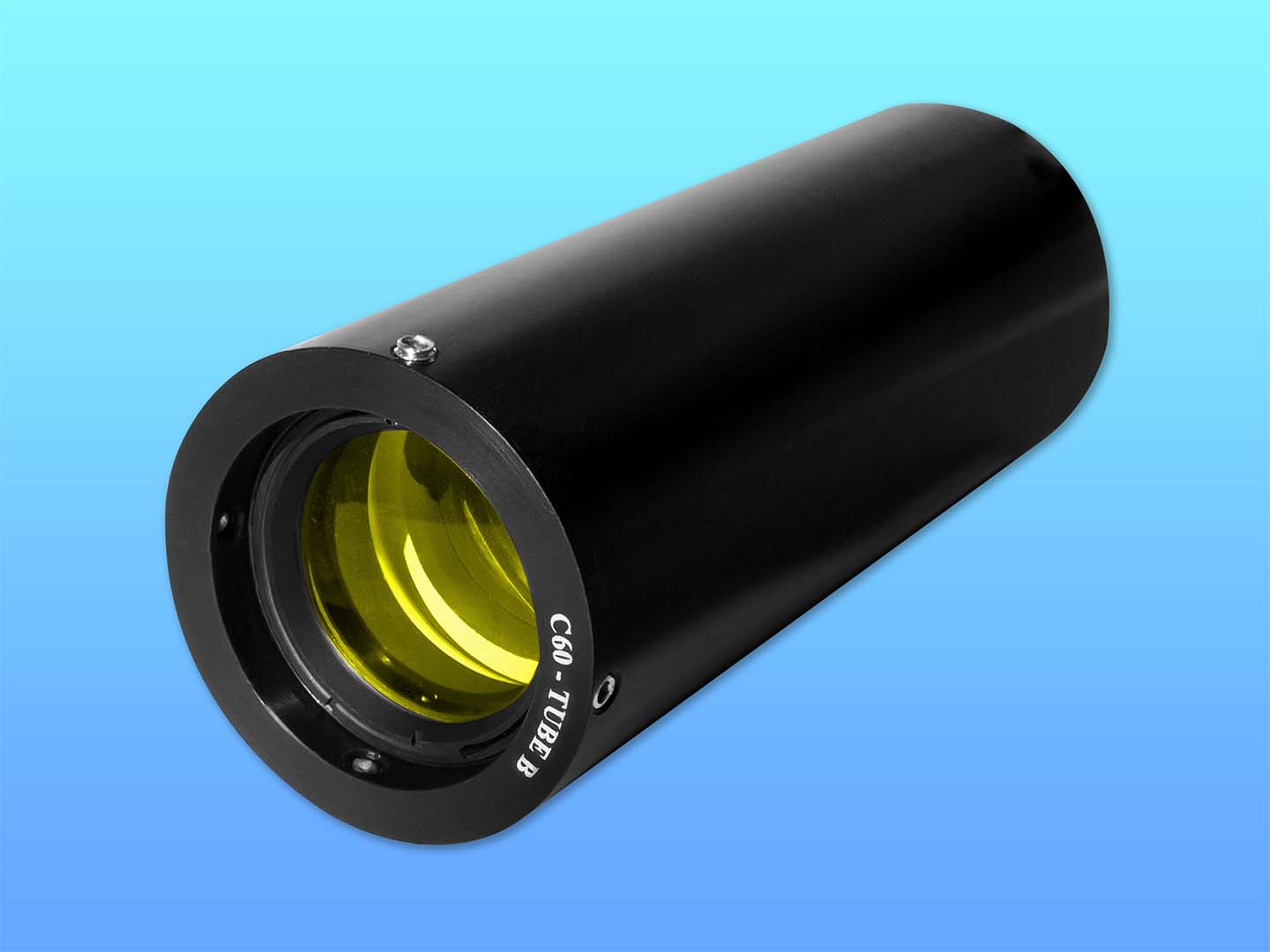
Nikon multi-element tube lens assembly C60-TUBE-B
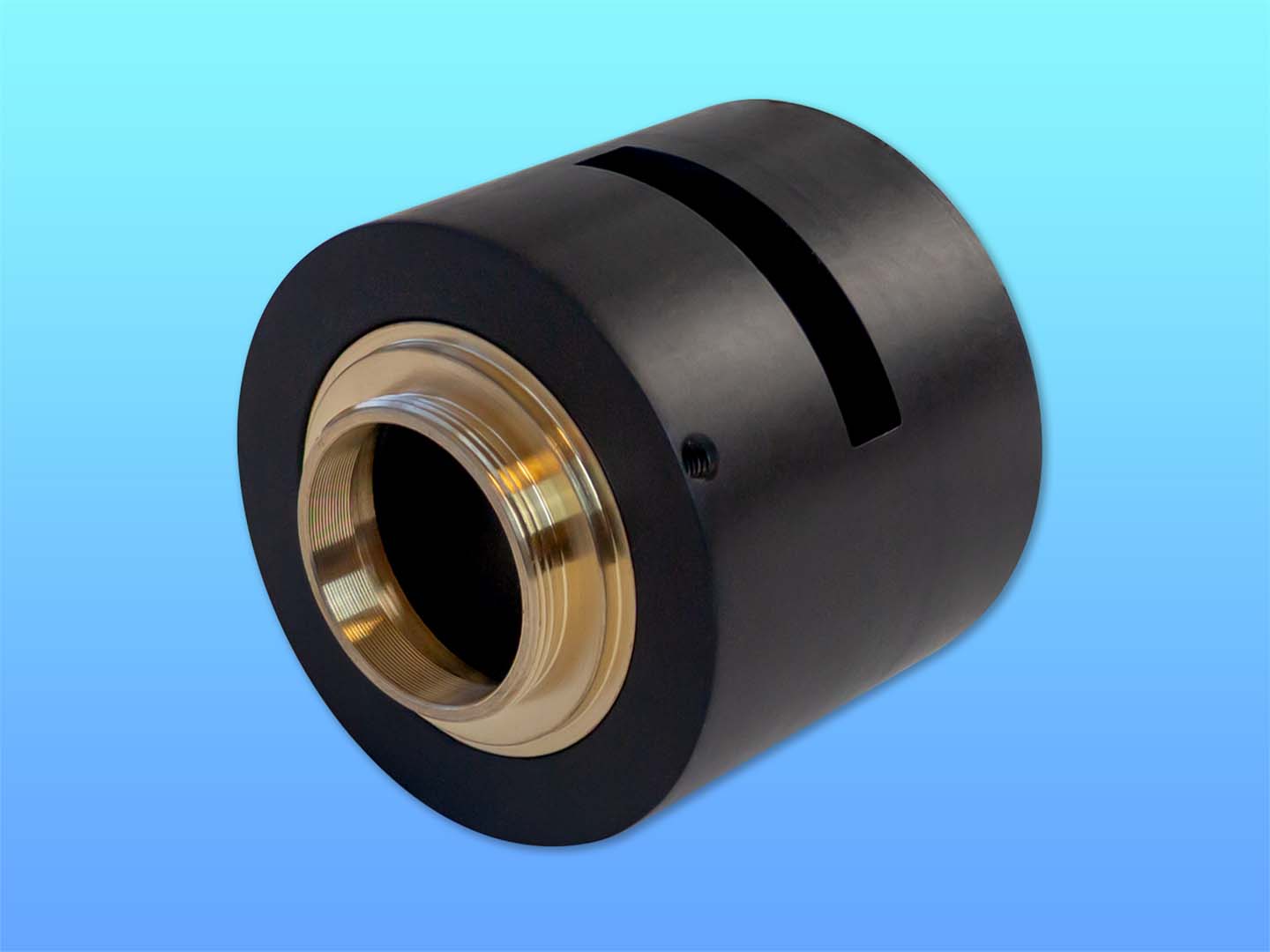
Male C-mount camera adapter C60-SLDR-C-MOUNT
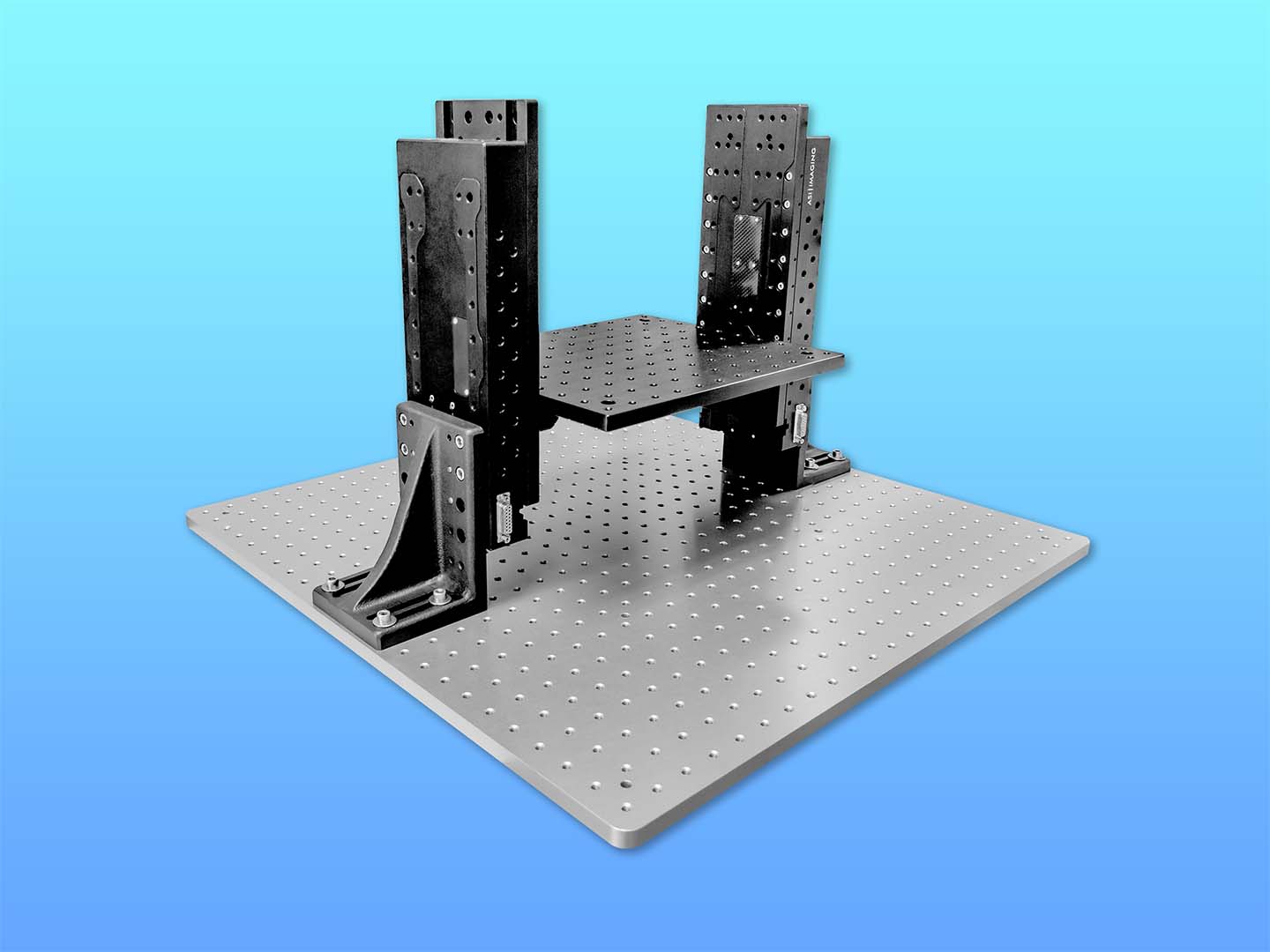
Heavy-lift linear microscope stage LS-100HVY
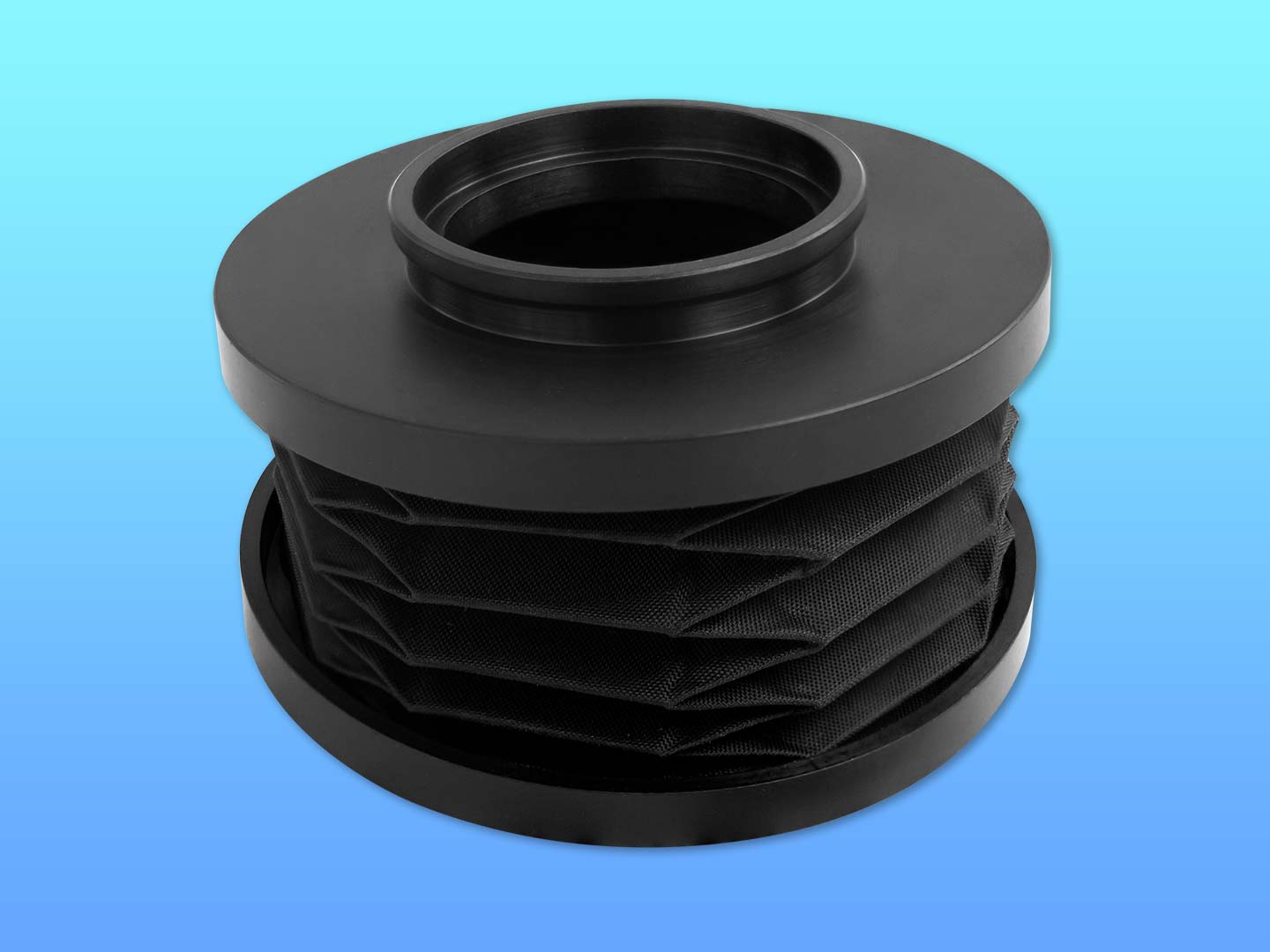
Accordion bellows C60-BELLOWS
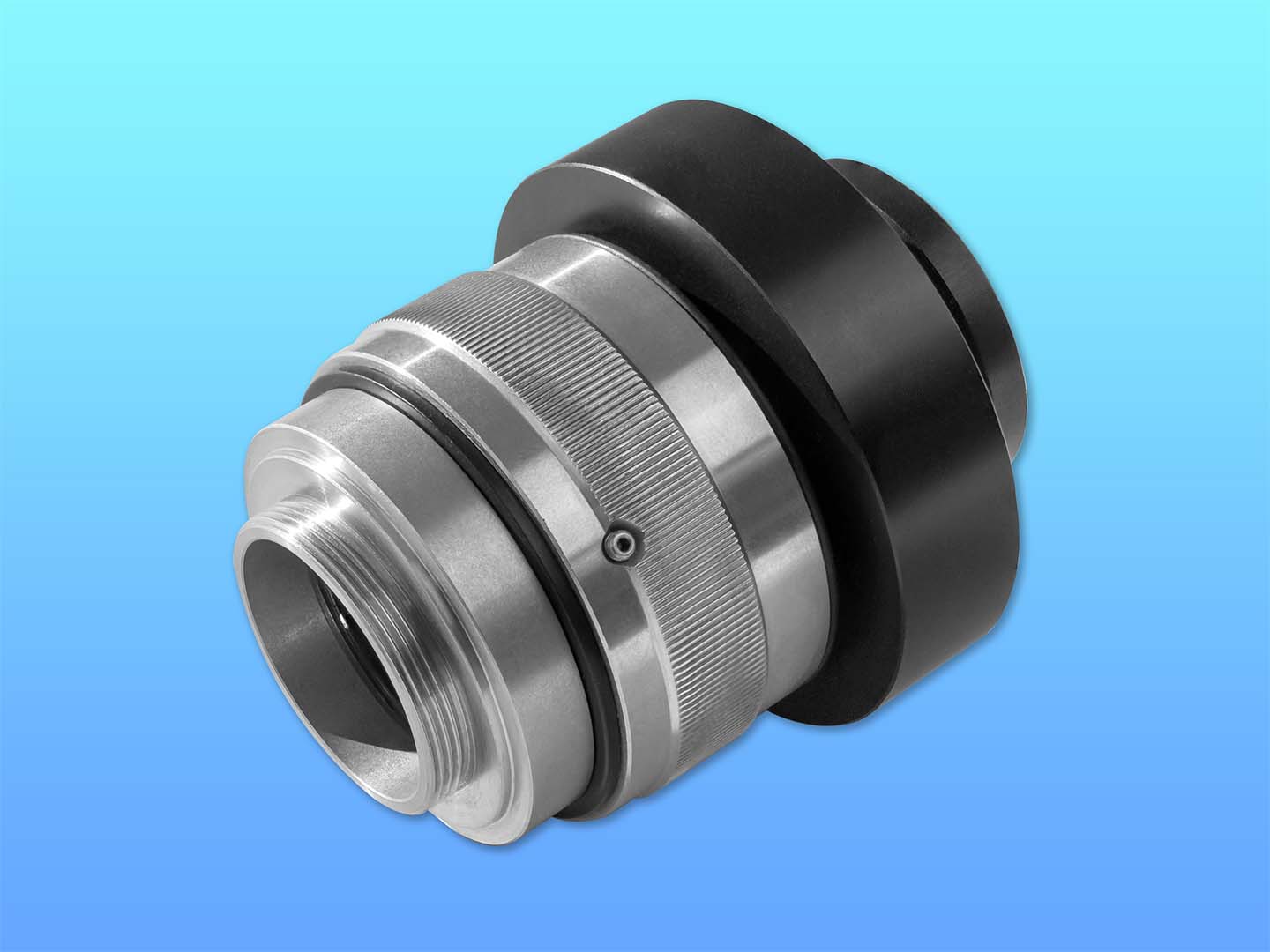
Male C-mount camera adapter C60-NRADJ-C-MOUNT
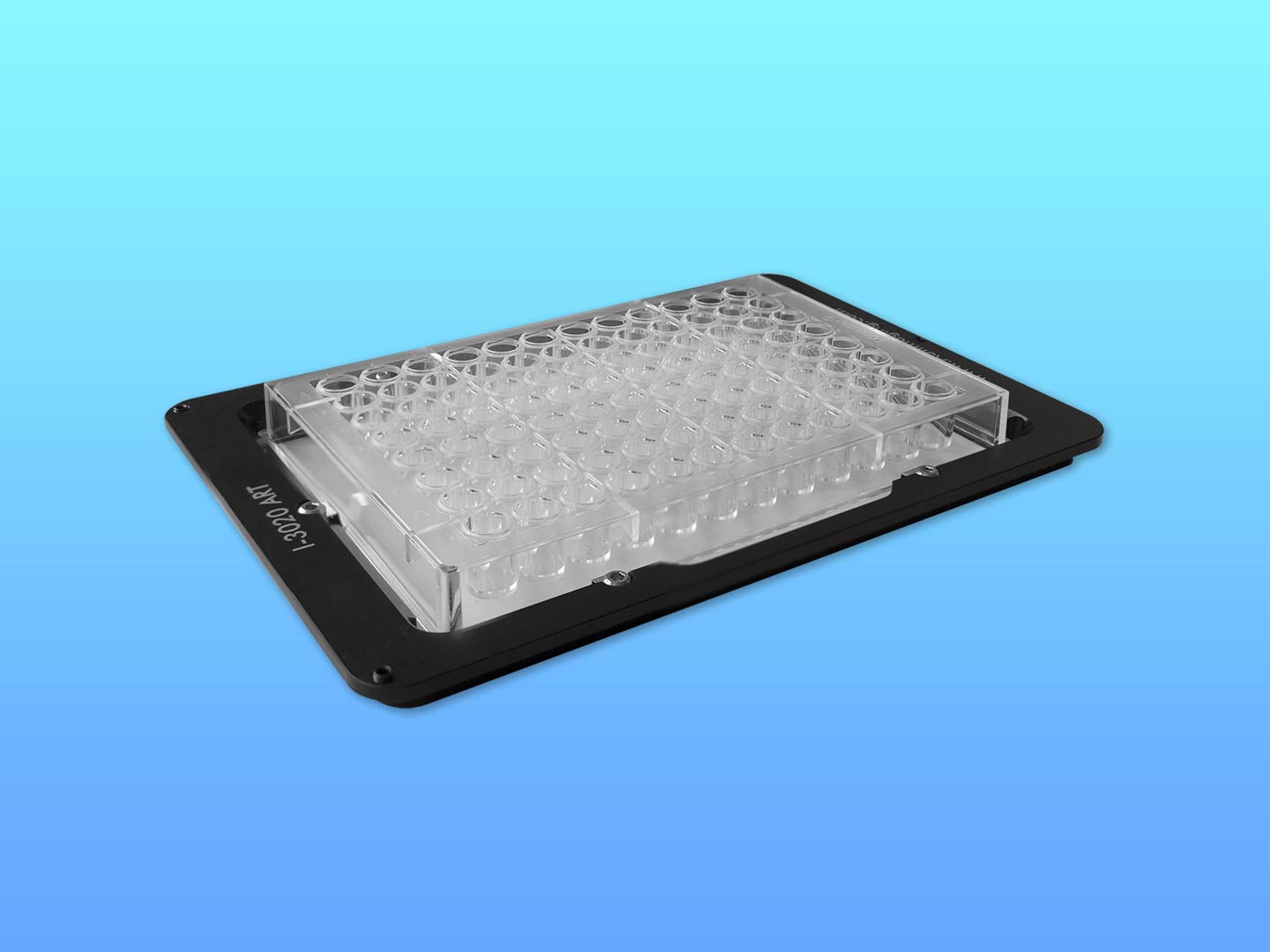
Multiwell microplate insert for robotics I-3020-ART
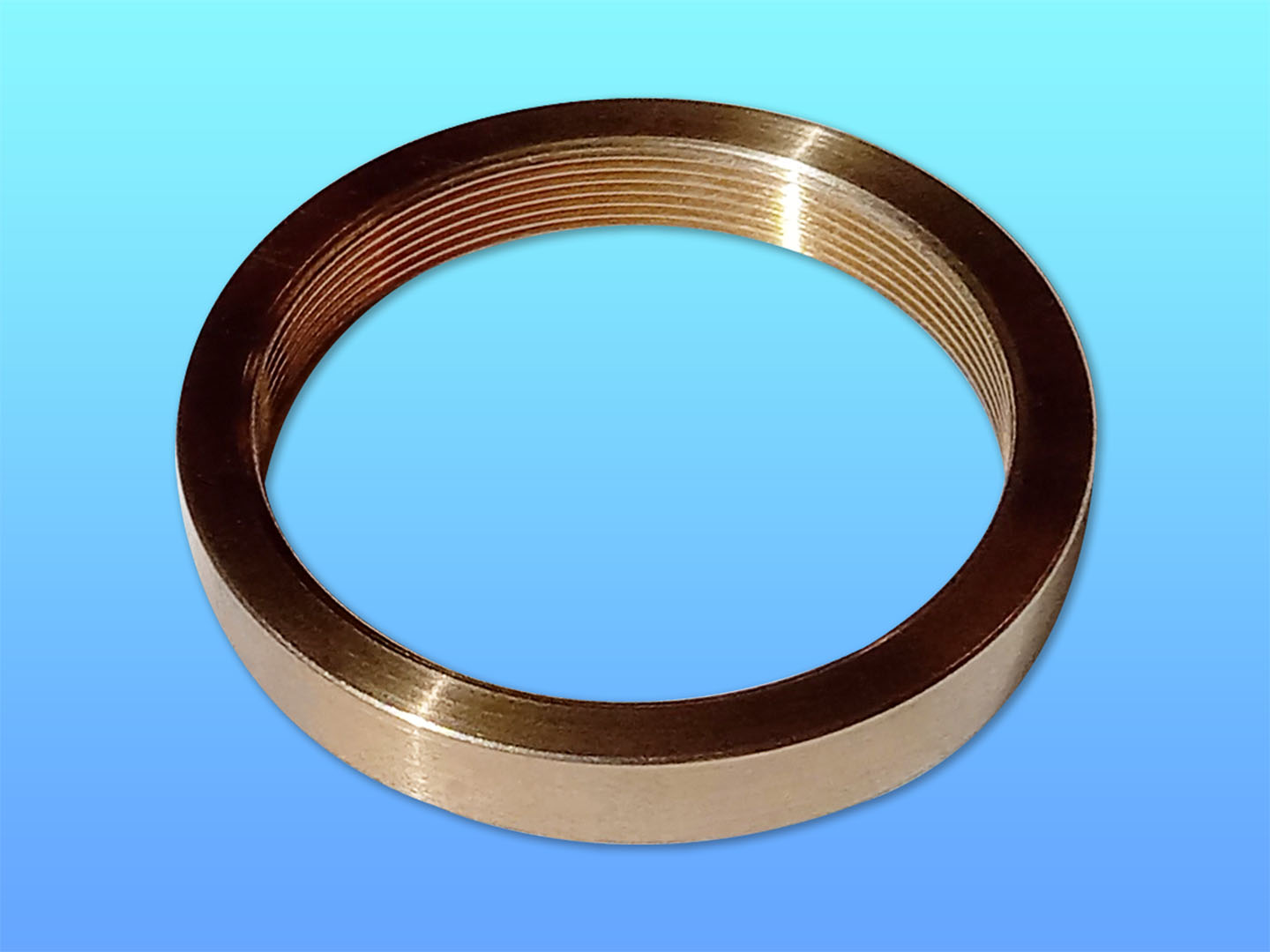
Male bushing adapter RAO-0051
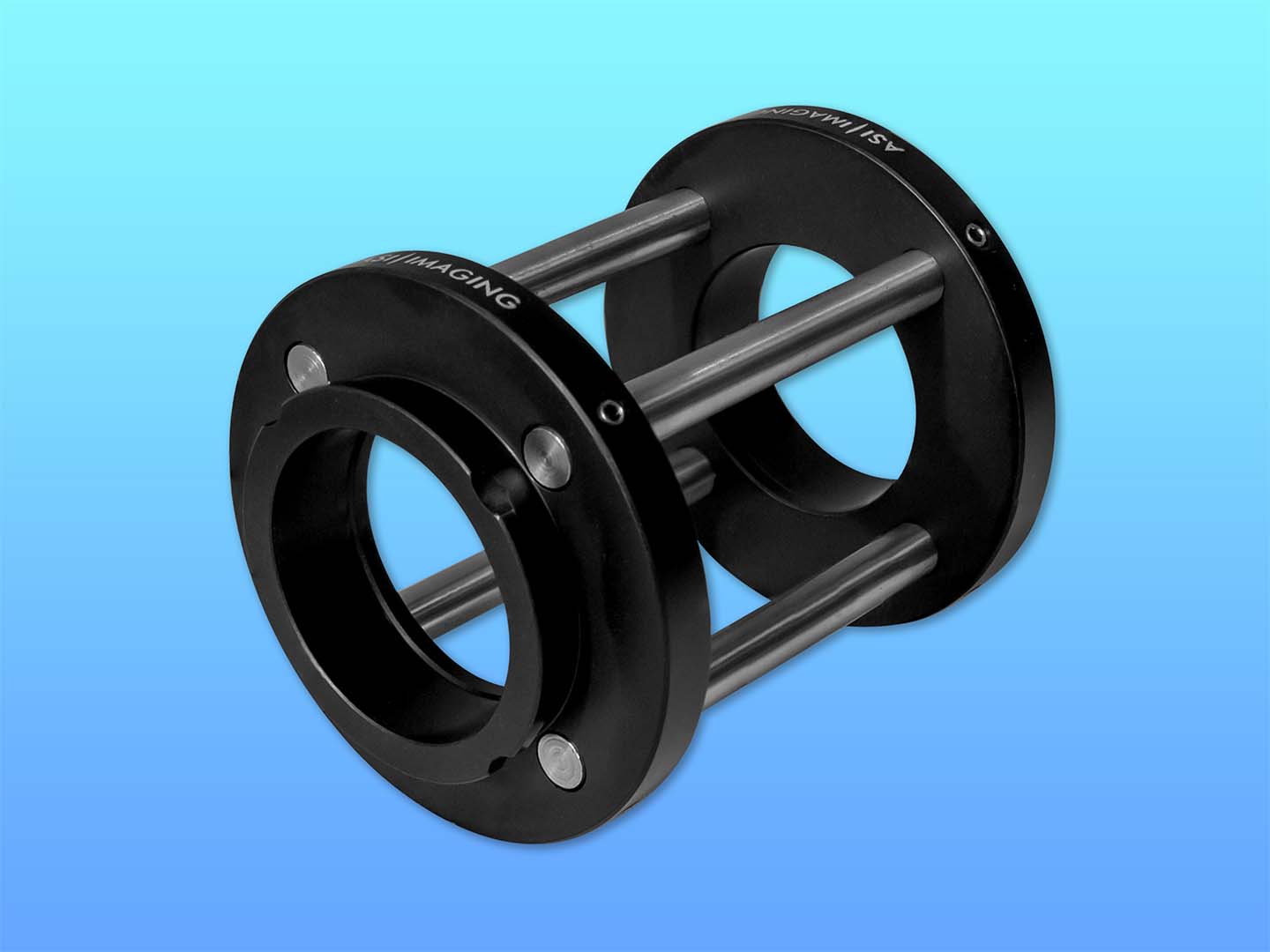
Kit of objective focusing components C60-CAGE-60
Paintings
The second group presents a selection from a much larger body of work—nearly two hundred paintings photographed for the RESCUE Project, an initiative dedicated to identifying, documenting, and preserving local Oregonian artwork. Many of these works arrive without clear authorship, and part of the task is not only visual documentation but also contribution to their scholarly and archival afterlife. The images are cataloged and published through an online collection, where they become accessible beyond their immediate physical context.
Unlike commercial product photography, this work does not aim to persuade or enhance. The objective is accuracy. Paintings must be recorded as they exist: proportions intact, colors faithful, surfaces undistorted. Post-processing is intentionally restrained—limited to straightening, neutralizing perspective, and correcting white balance where necessary. Adjustments that would make the image “more attractive” are deliberately avoided, as they would compromise the integrity of the record.
Technically, the process is less forgiving than it may appear. Most works are framed and protected by glass, which readily reflects both the environment and the photographer. Managing glare requires careful positioning, controlled lighting, and sometimes a degree of physical improvisation. The result, ideally, is an image that disappears as a photograph and allows the painting itself to remain the only subject.
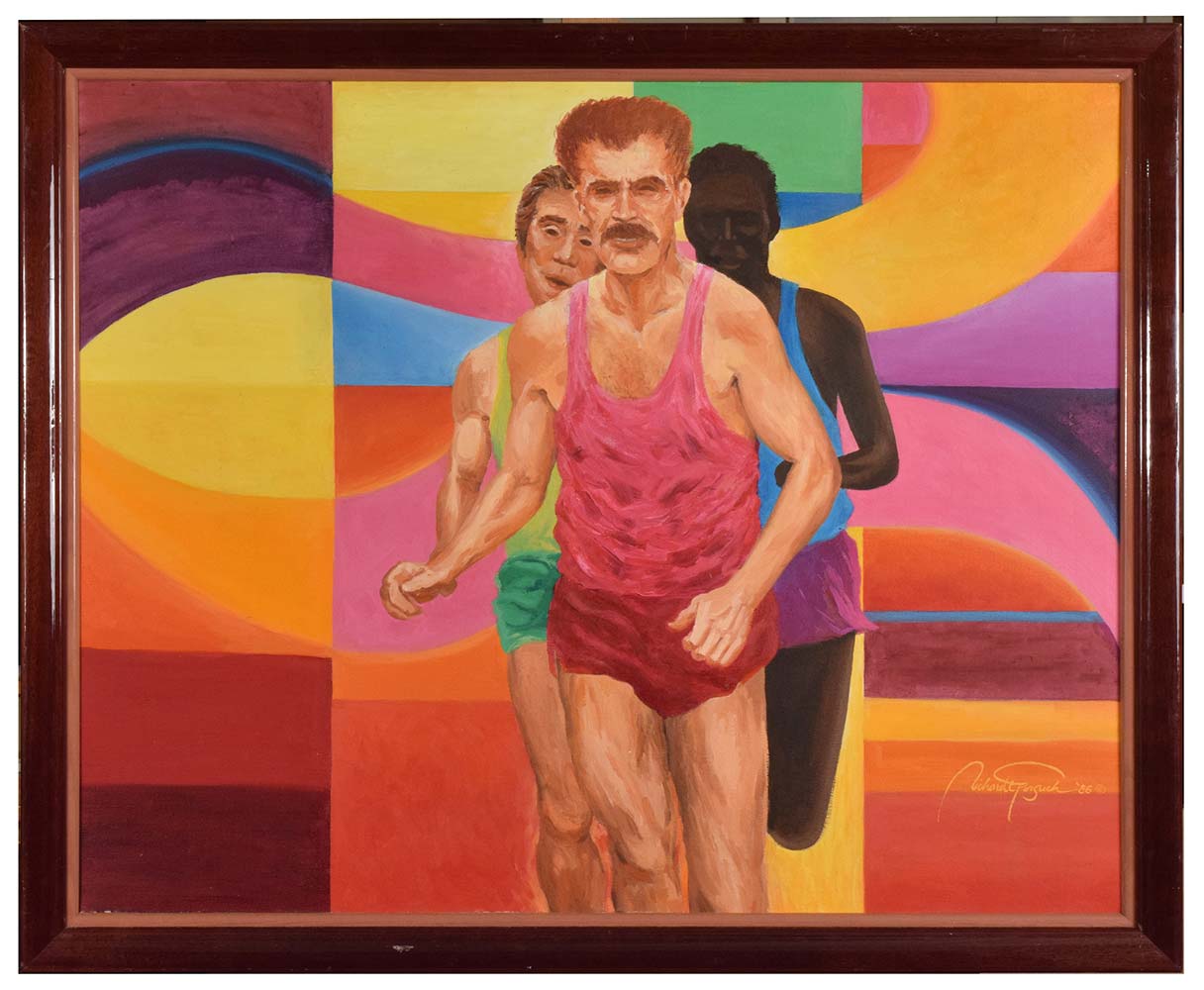
Richard Gorsuch. Runners.
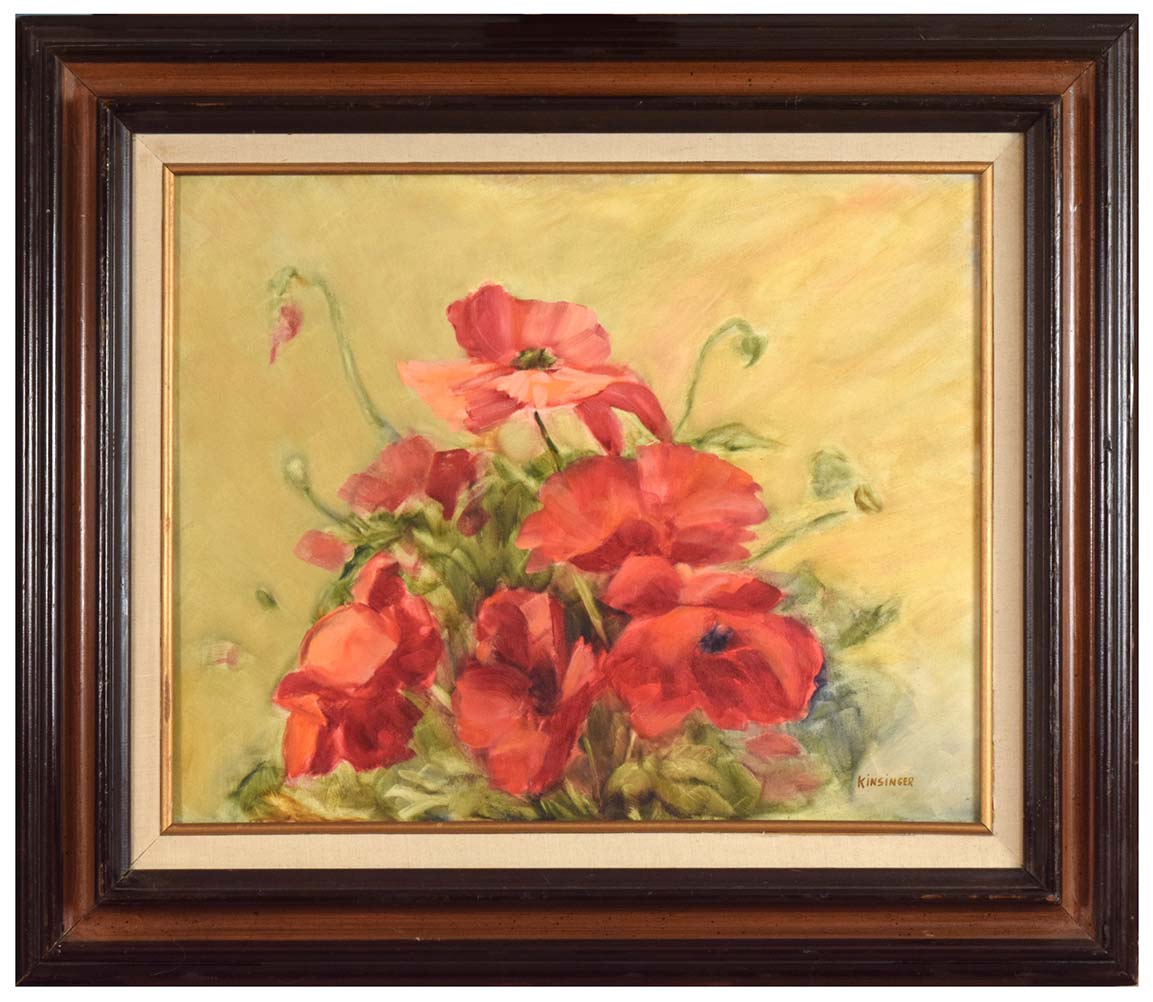
Fern Kinsinger. Red poppies.

Bonnie Lombard. Chimney rock.
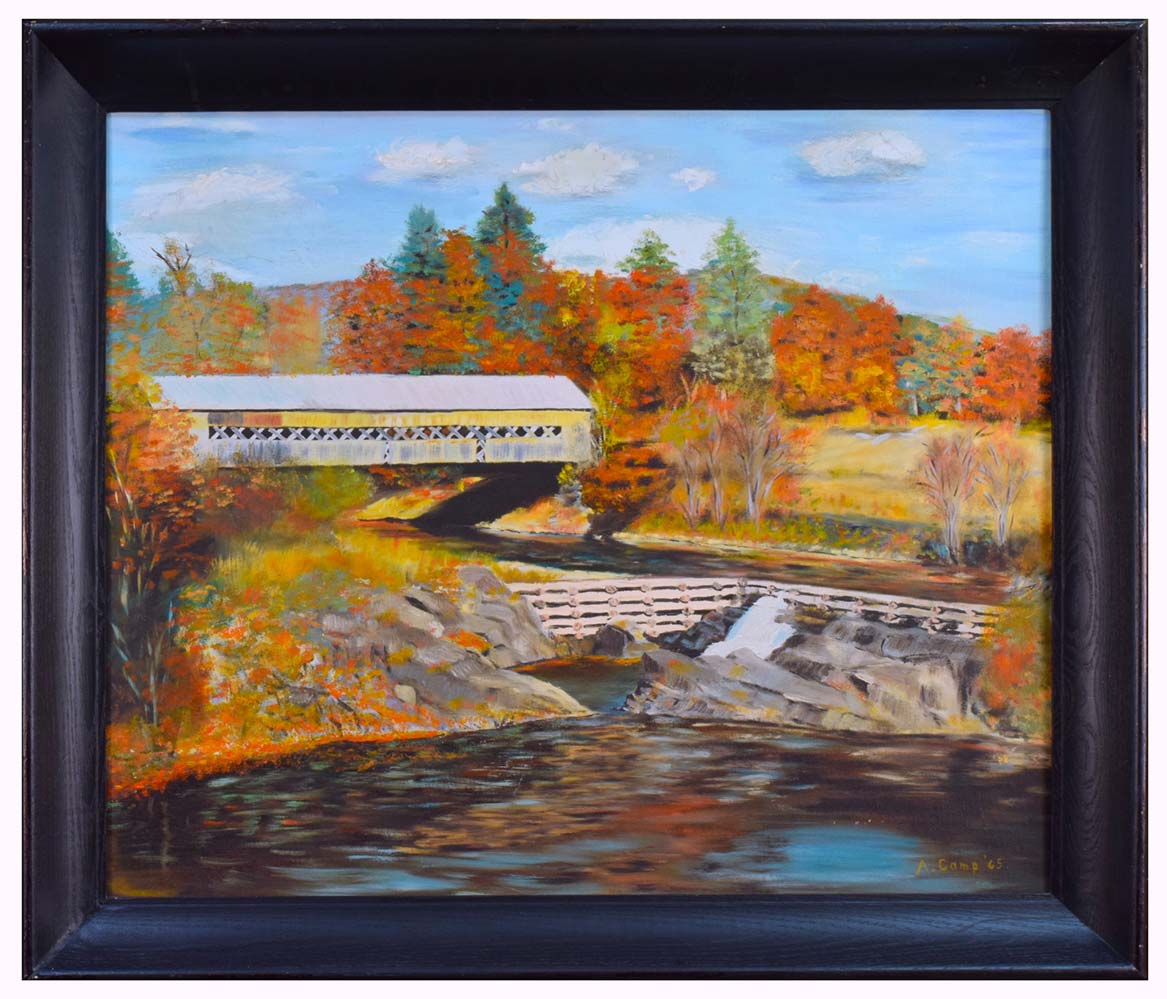
Anne M. Camp. Covered bridge.

W.E. Jordan. Valley view.
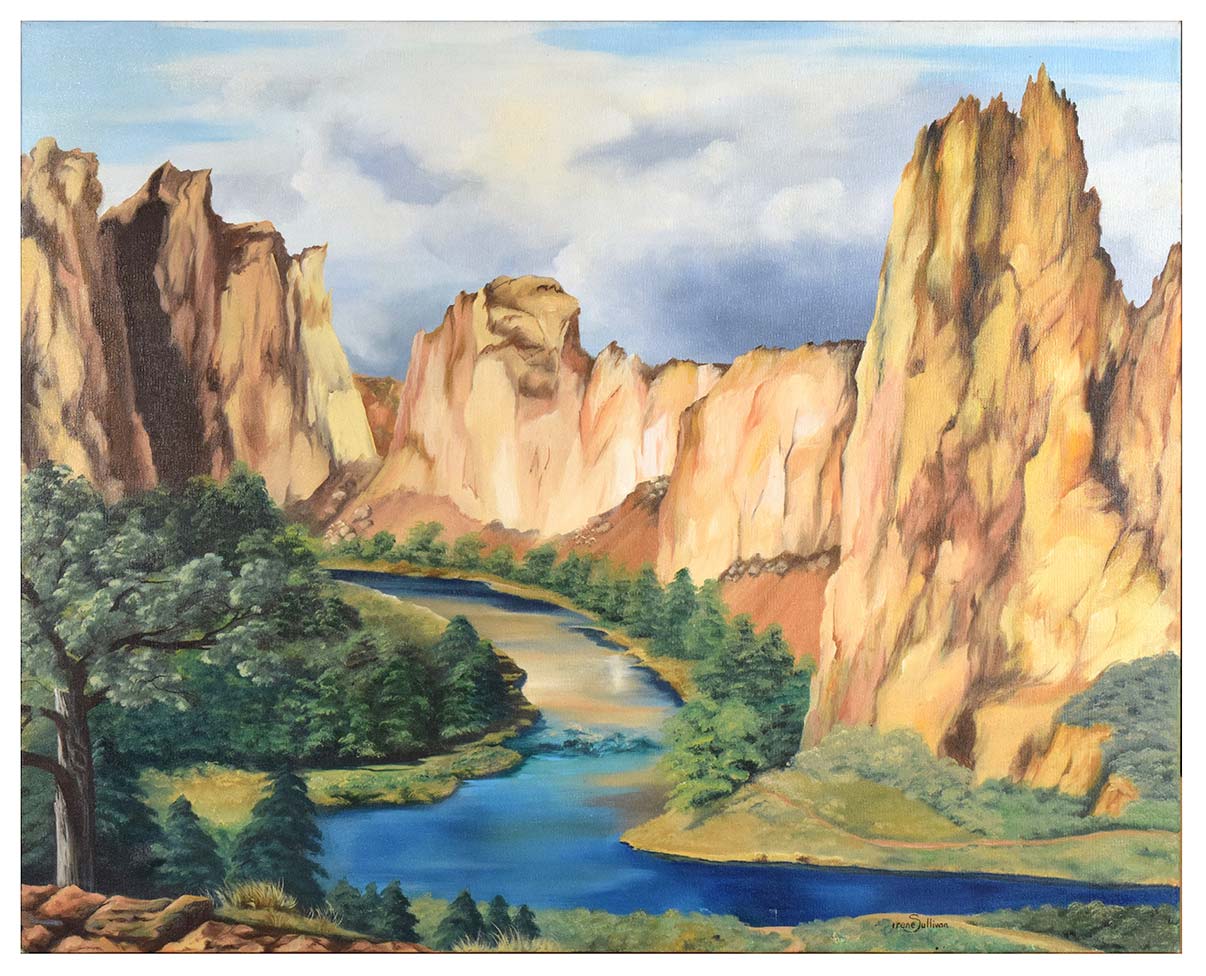
Irene Sullivan. River canyon.
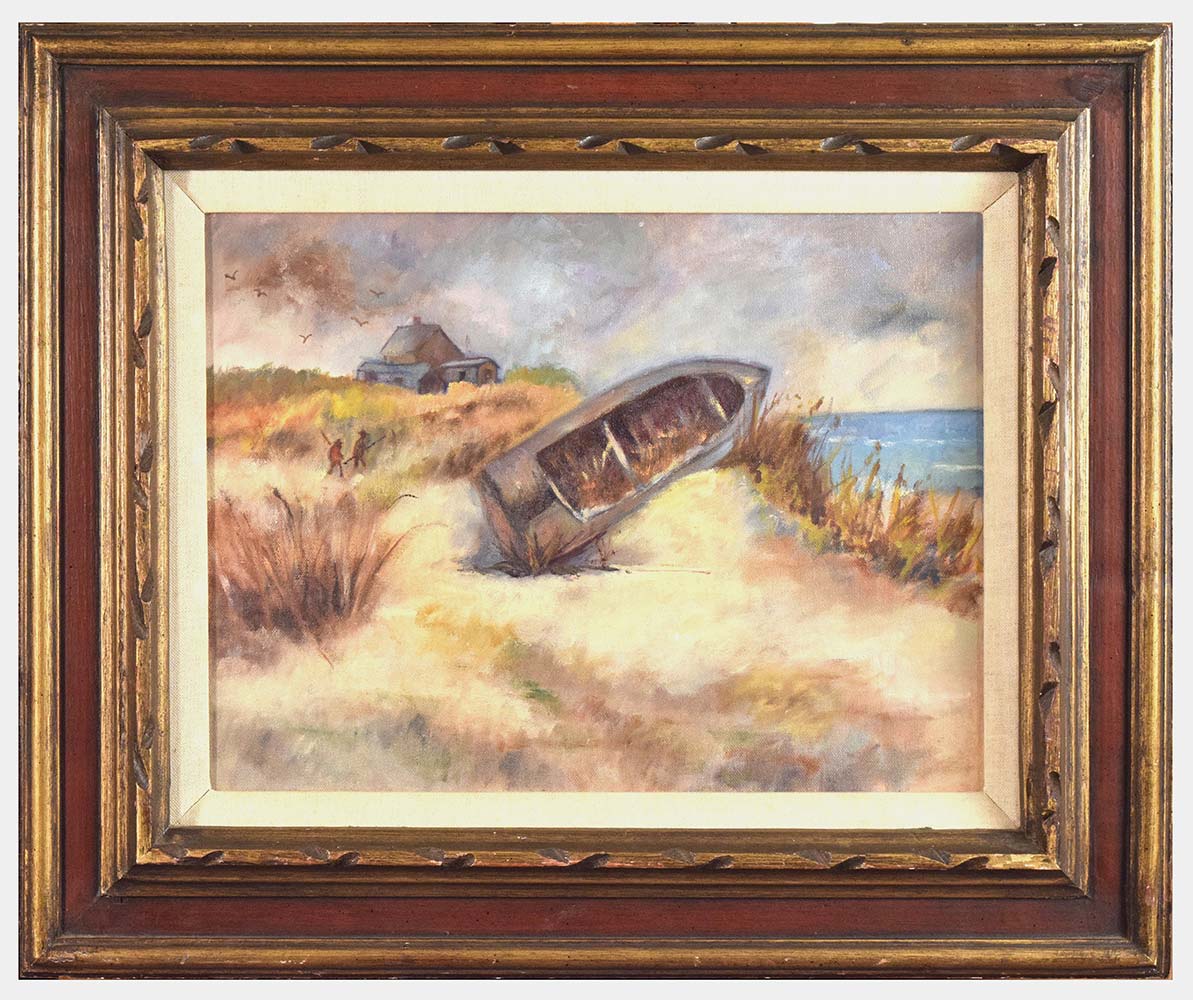
Alice Wickman. After the storm.
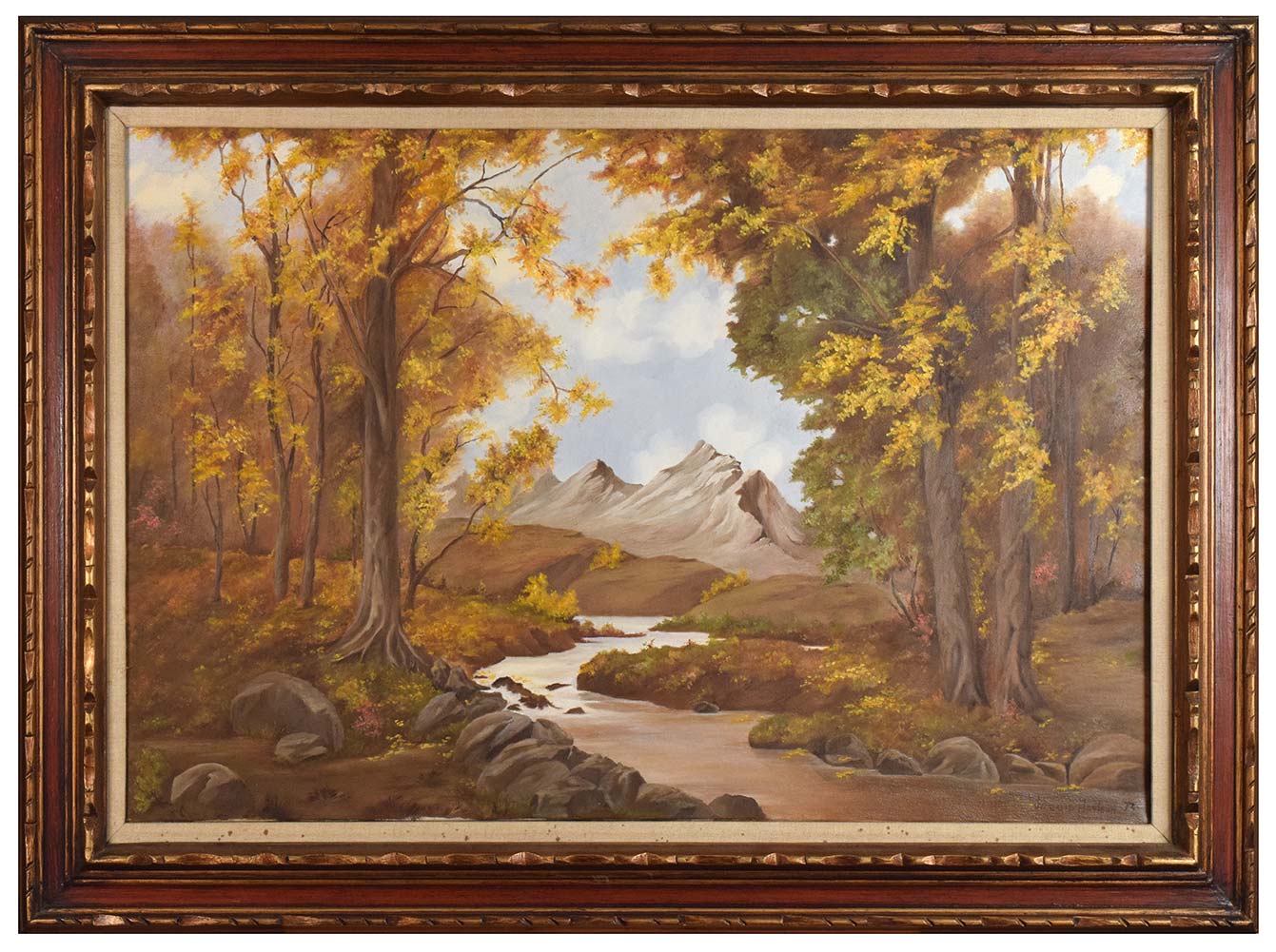
Jessie Halstead. Mountain stream in fall.
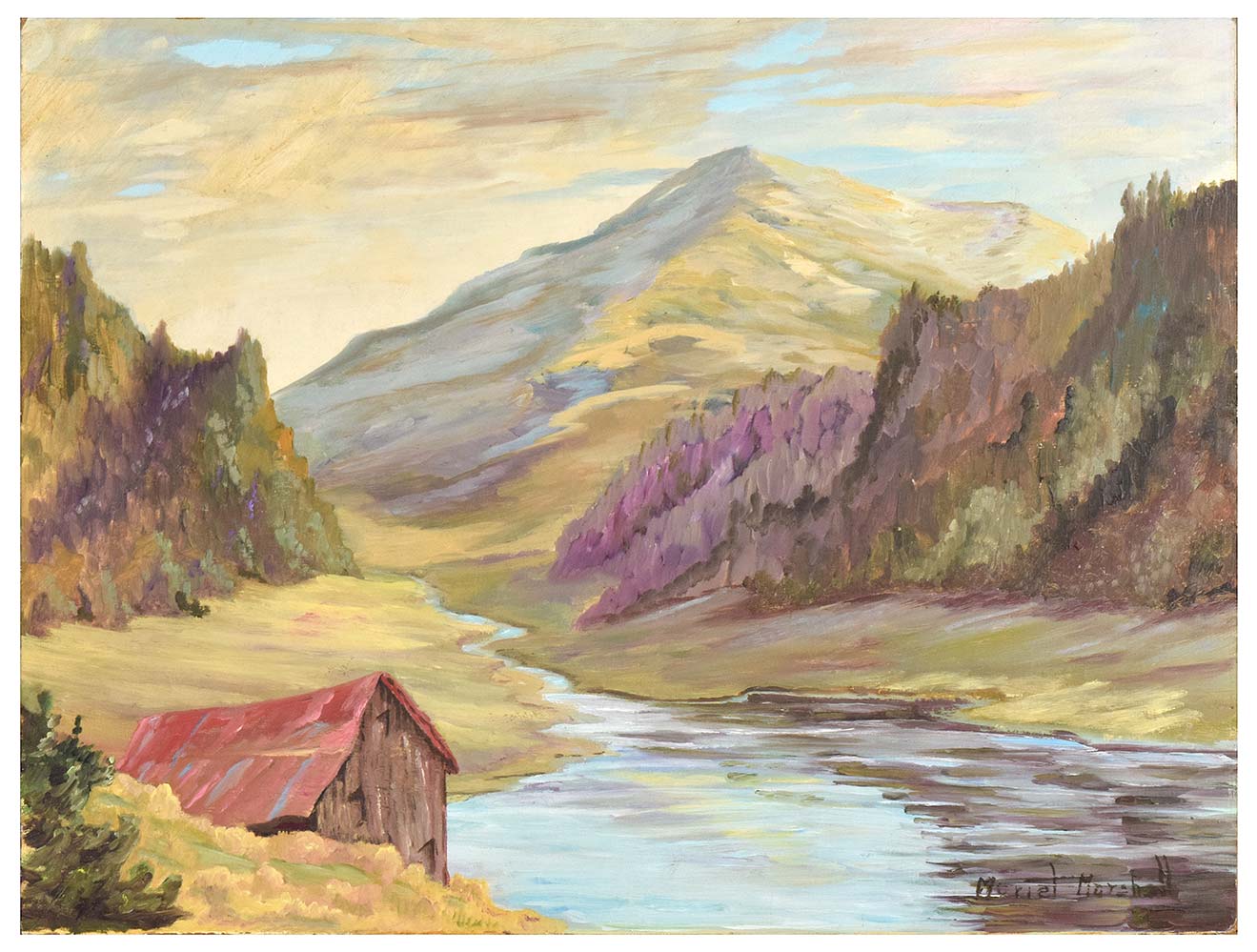
Muriel Marshall. Mountain cabin.
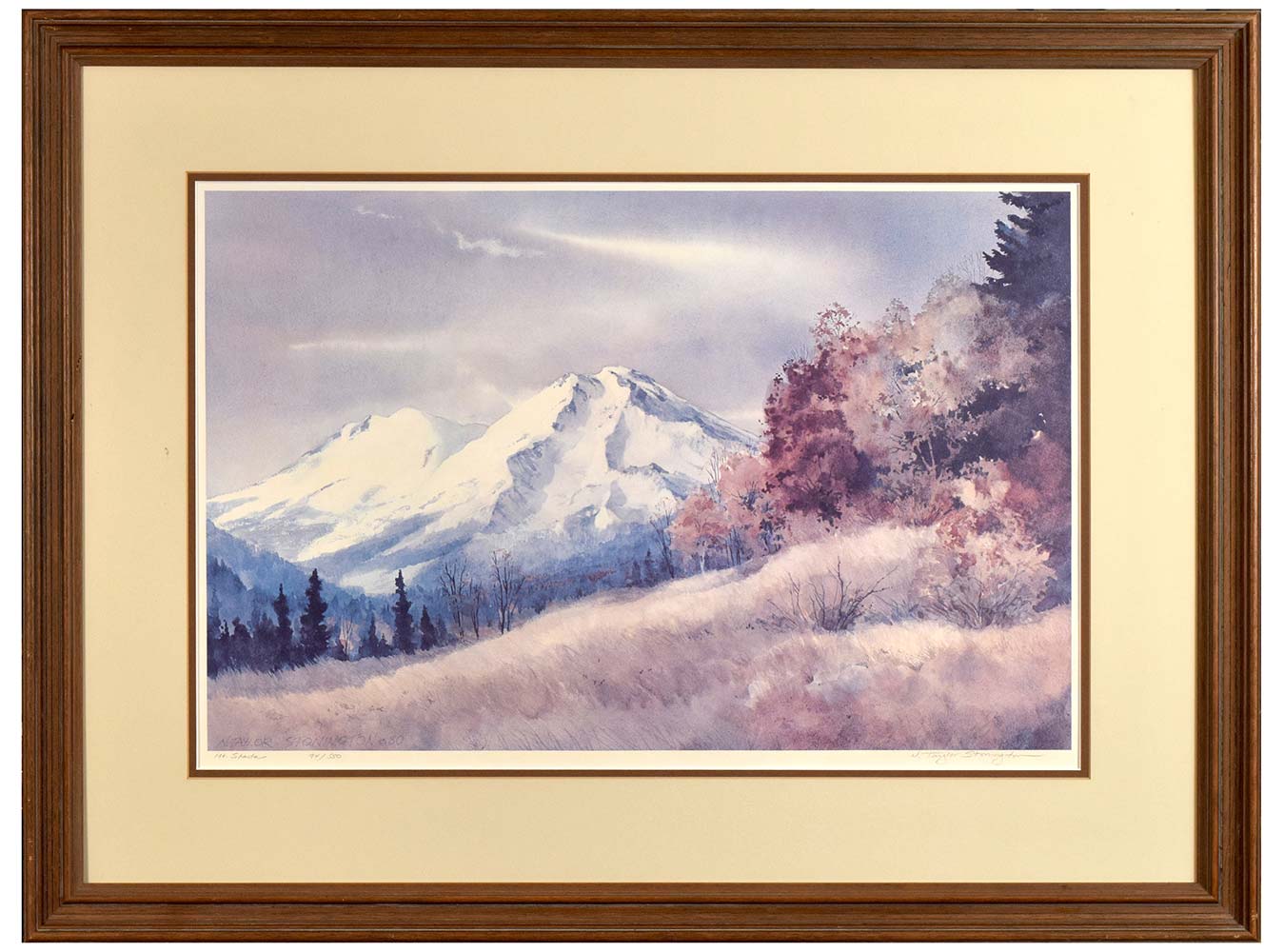
Nancy Taylor Stonington. Mt Shasta.
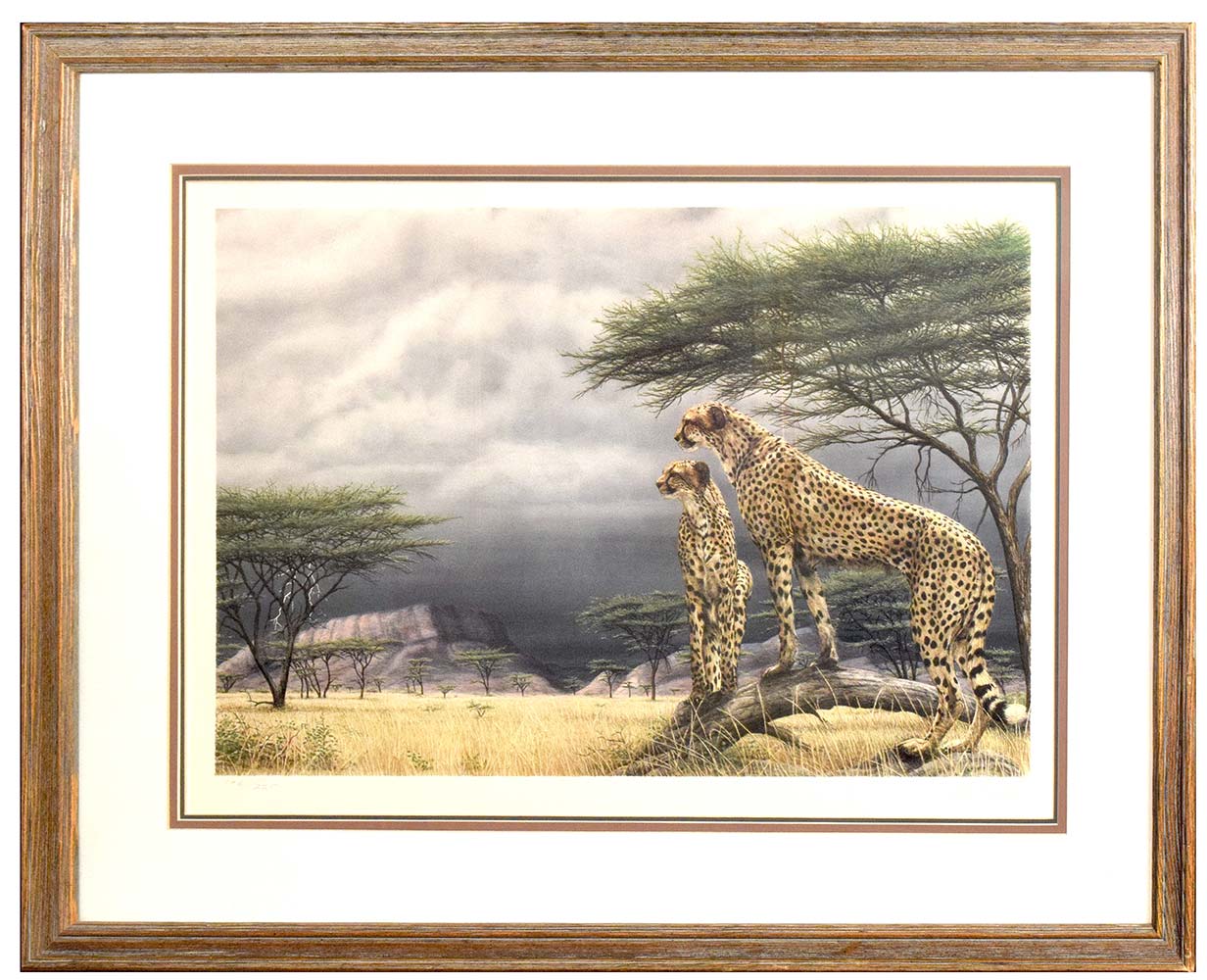
Dennis Curry. Leopards on alert.

W.E. Jordan. Snowy ridge.
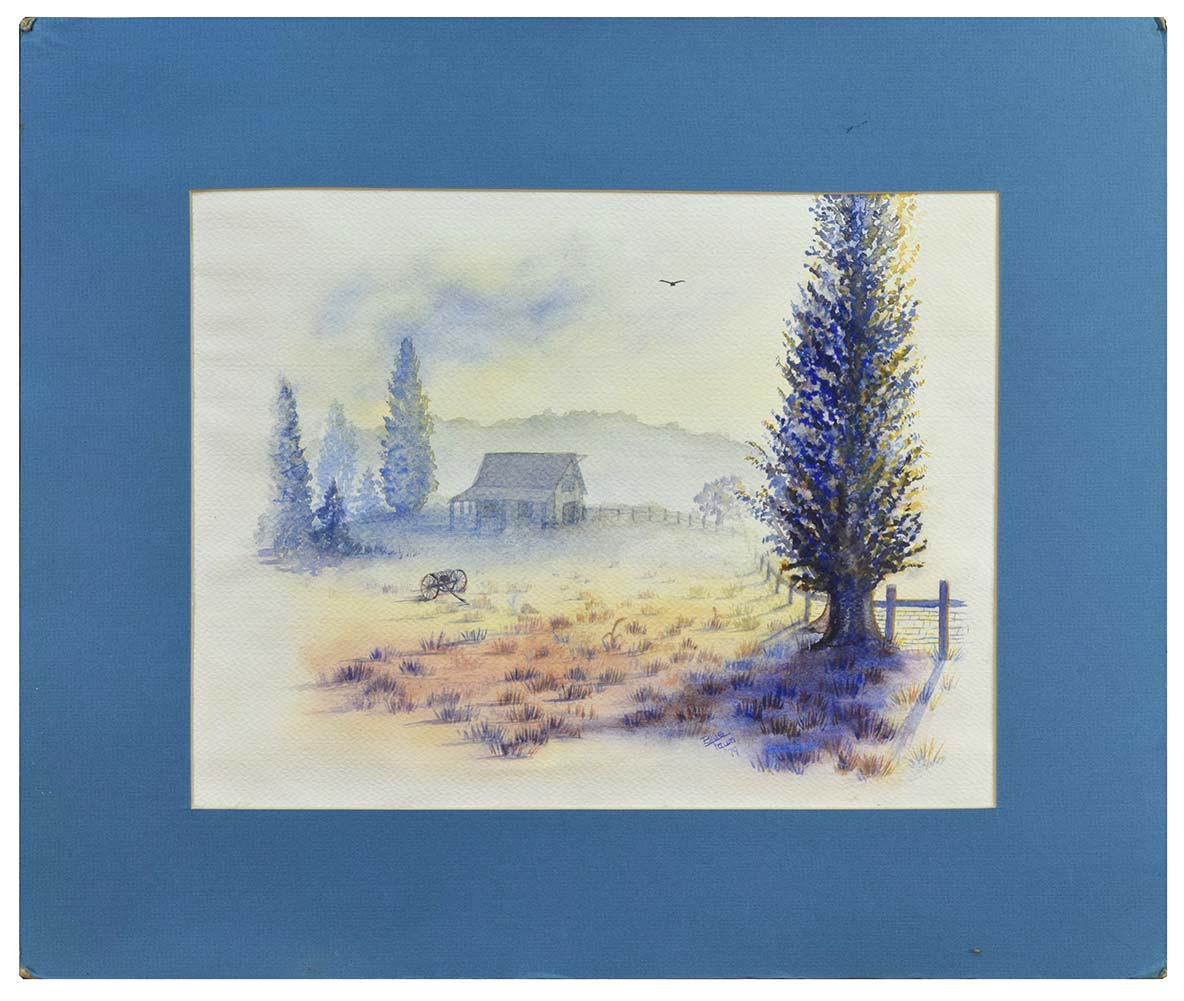
Blue Fawn. Abandoned barn.
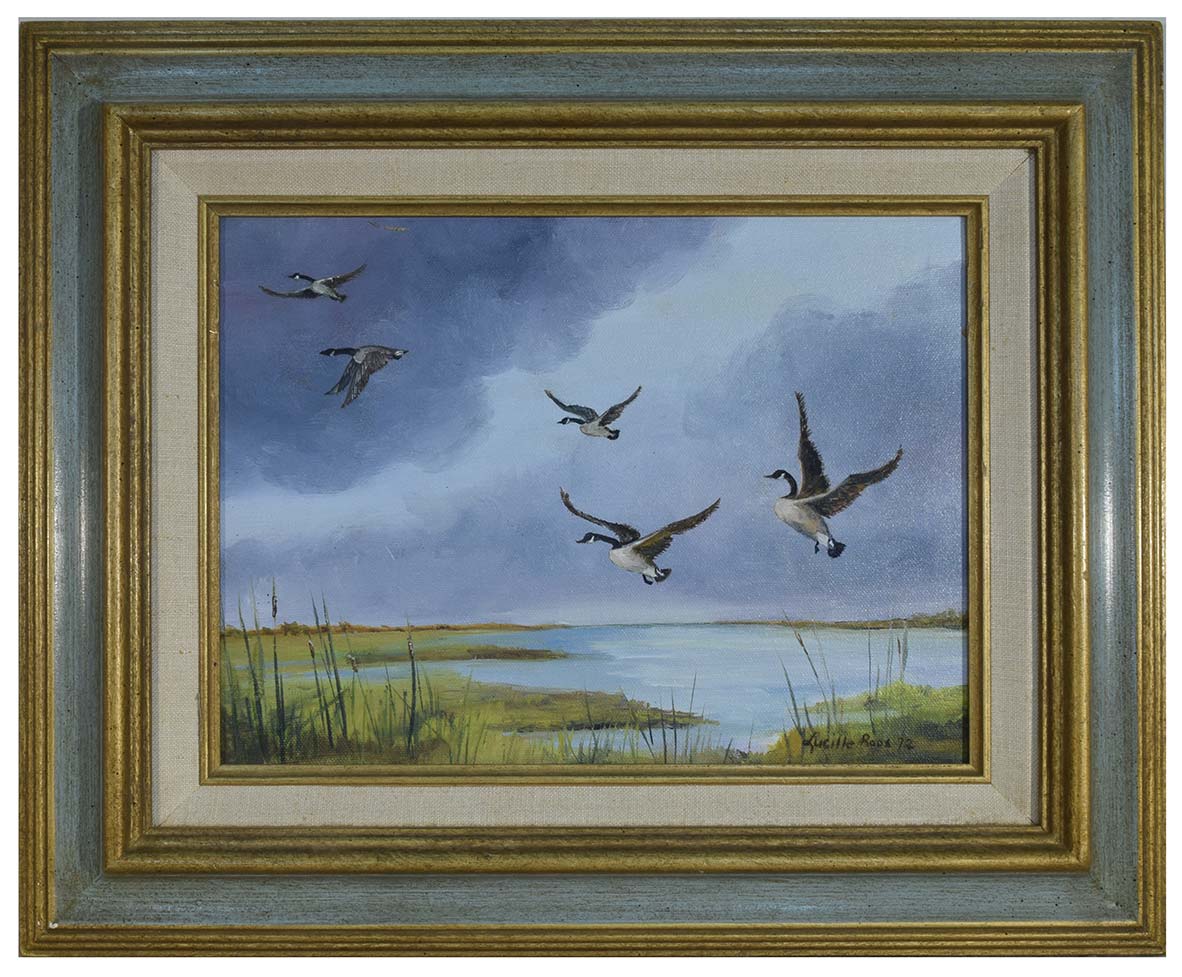
Lucille Roos.
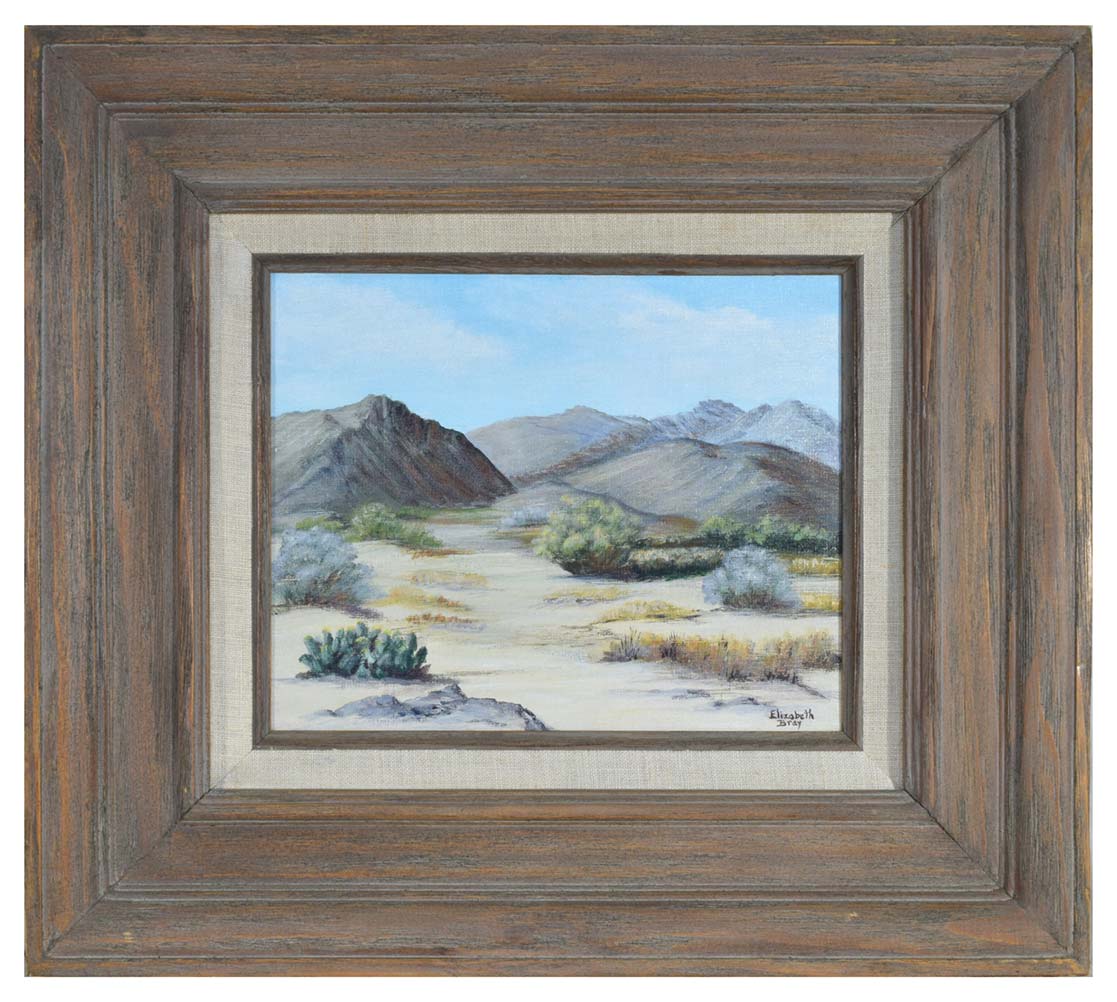
Elizabeth Bray. Desert landscape.
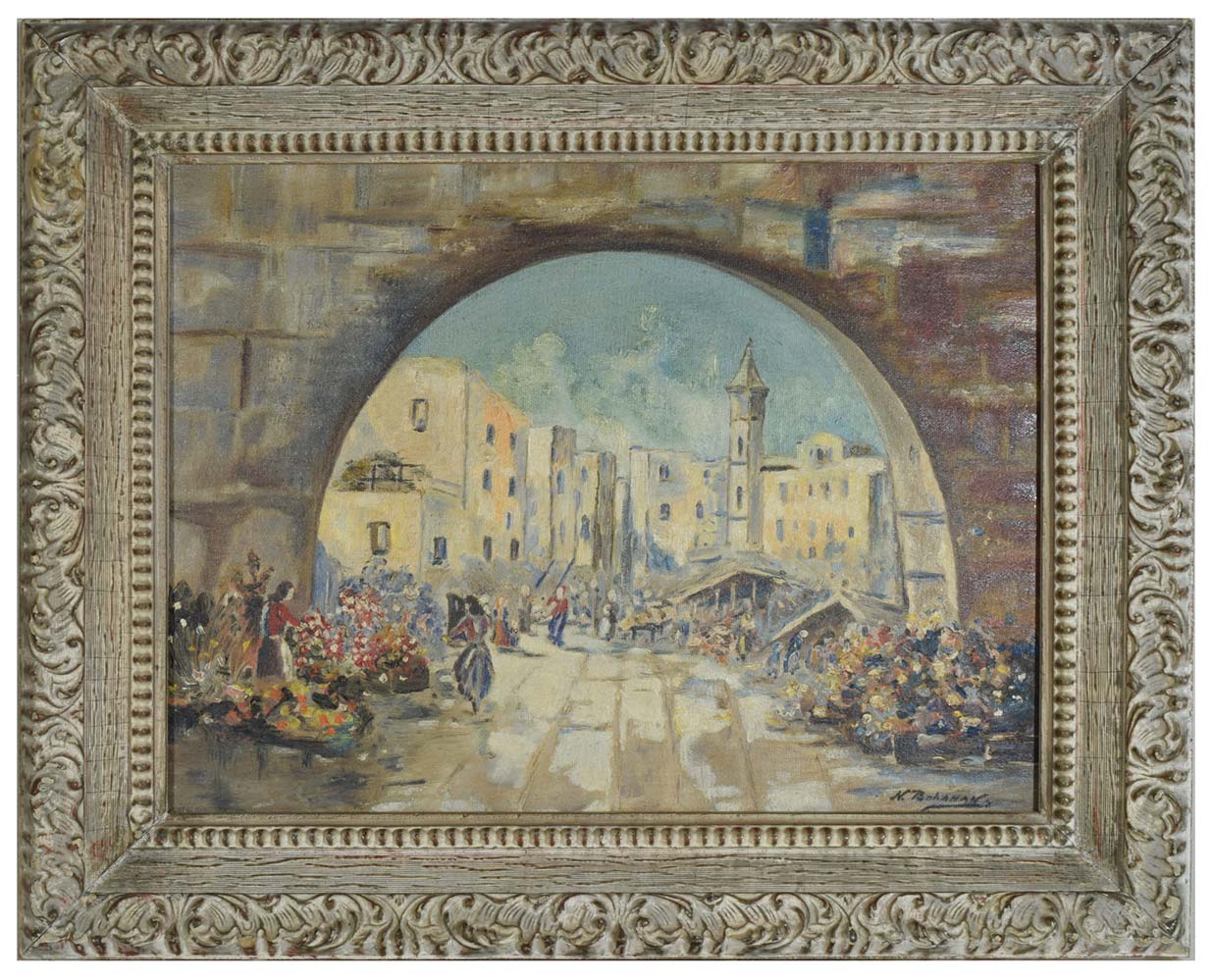
N. Bohanan. Flower market.
Samplers
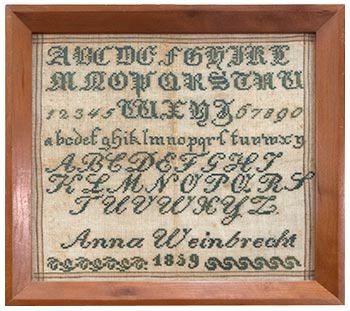
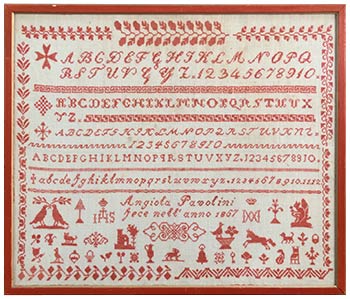
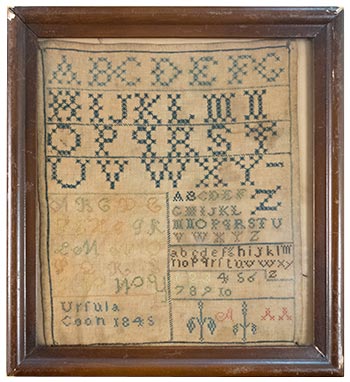
The third group features over one hundred photographs produced for the Sampler Archive Project, a collaborative initiative supported by the National Endowment for the Humanities and involving institutions such as the University of Delaware’s Winterthur Program in American Material Culture and the University of Oregon’s Center for Advanced Technology in Education. The project documents historical needlework samplers—textile artifacts that combine craft, education, and social history.
As with paintings, the guiding principle here is fidelity rather than interpretation. These objects carry information not only in their imagery and text but also in their material qualities: thread thickness, fabric texture, subtle discolorations accumulated over time. Enhancing contrast or saturation for visual appeal would risk distorting that information. The role of the photographer is therefore closer to that of a registrar than a stylist.
Samplers present their own technical challenges. They are often mounted under glass, sometimes unevenly, and can include delicate textures that interact unpredictably with light. Avoiding reflections while preserving detail requires a careful balance between illumination and restraint. The final image should feel neutral, almost self-effacing—precise enough to support study, yet quiet enough not to impose itself between the viewer and the artifact.

Sampler photo 1
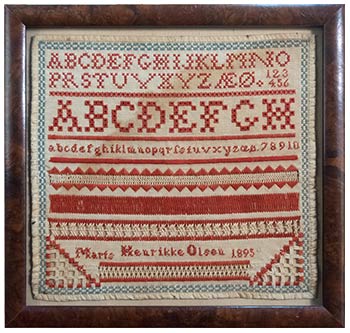
Sampler photo 2
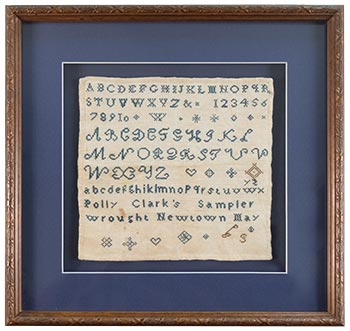
Sampler photo 3

Sampler photo 4
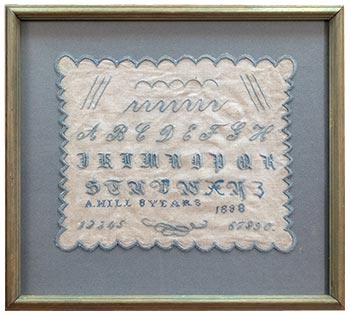
Sampler photo 5
Sampler photo 6
Sampler photo 7
Sampler photo 8
Handmade jewelry
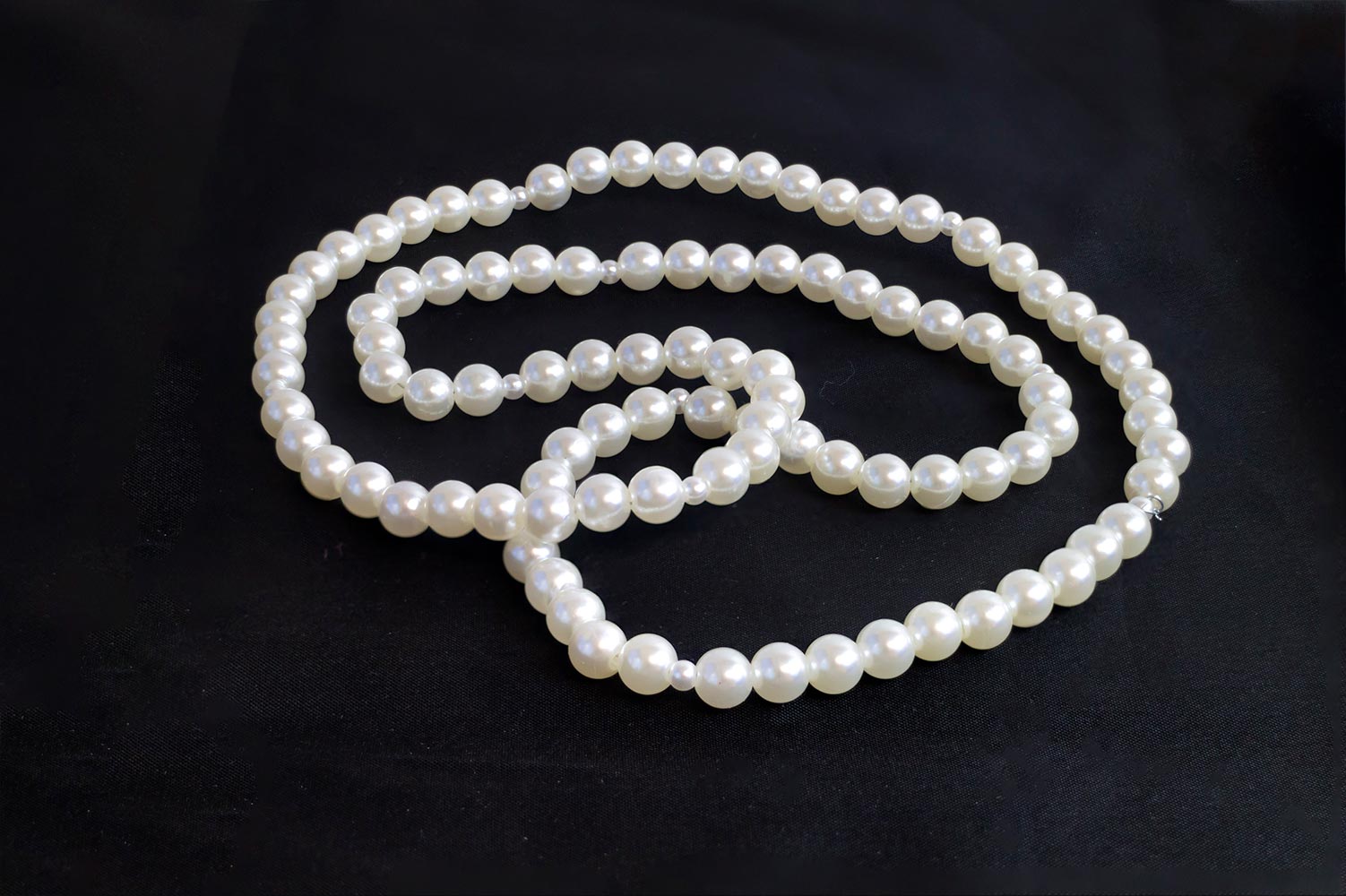
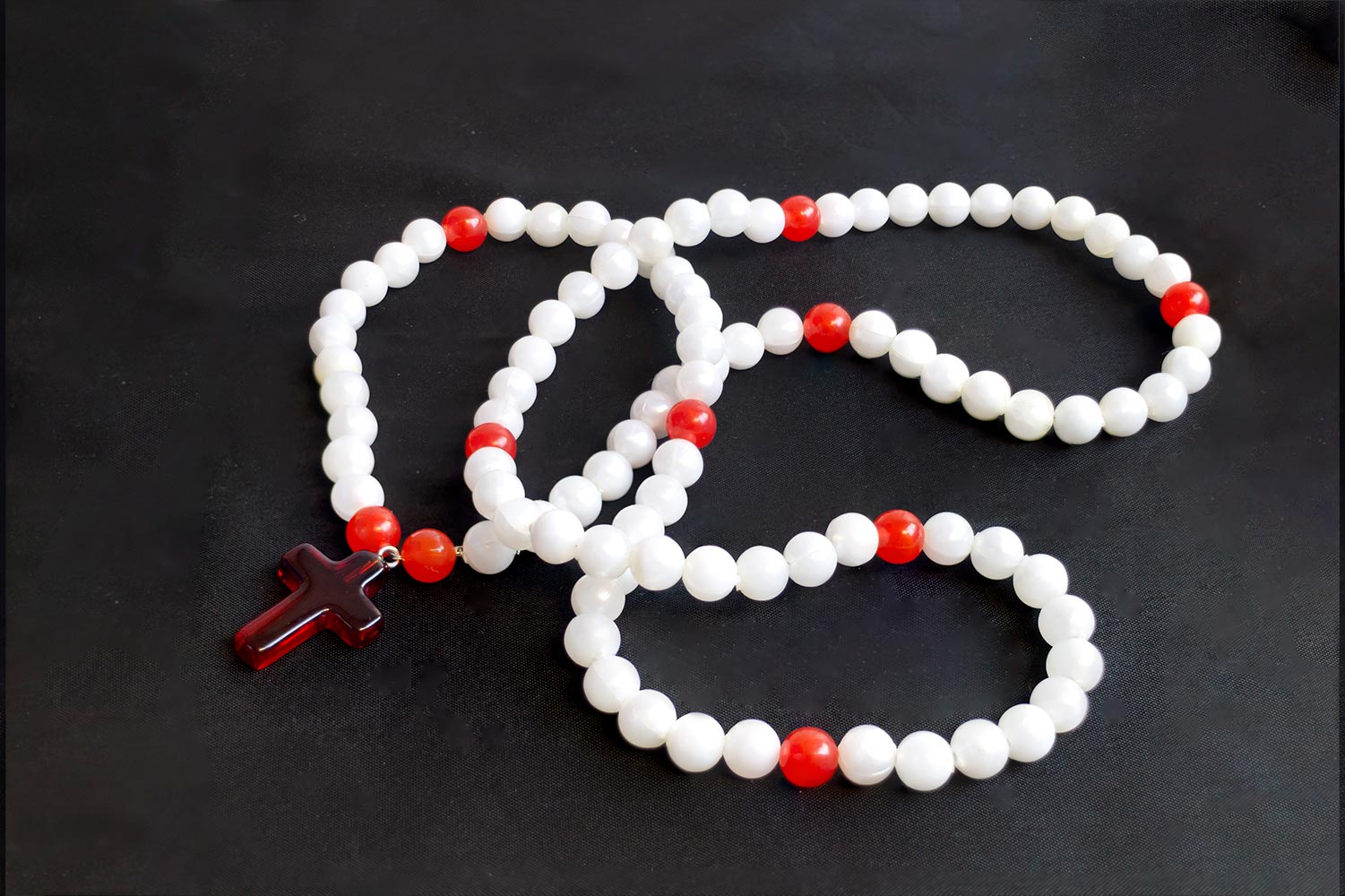
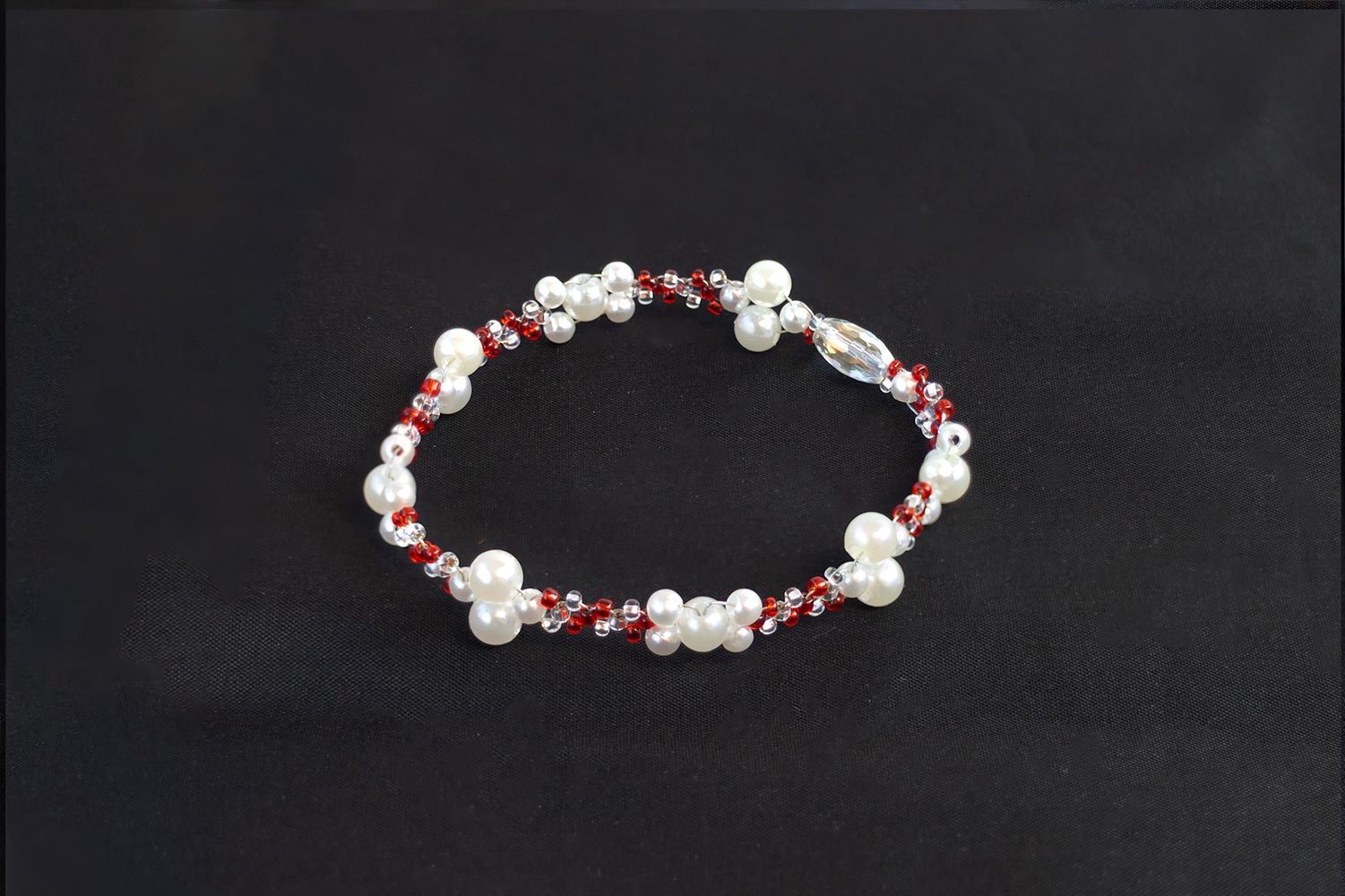
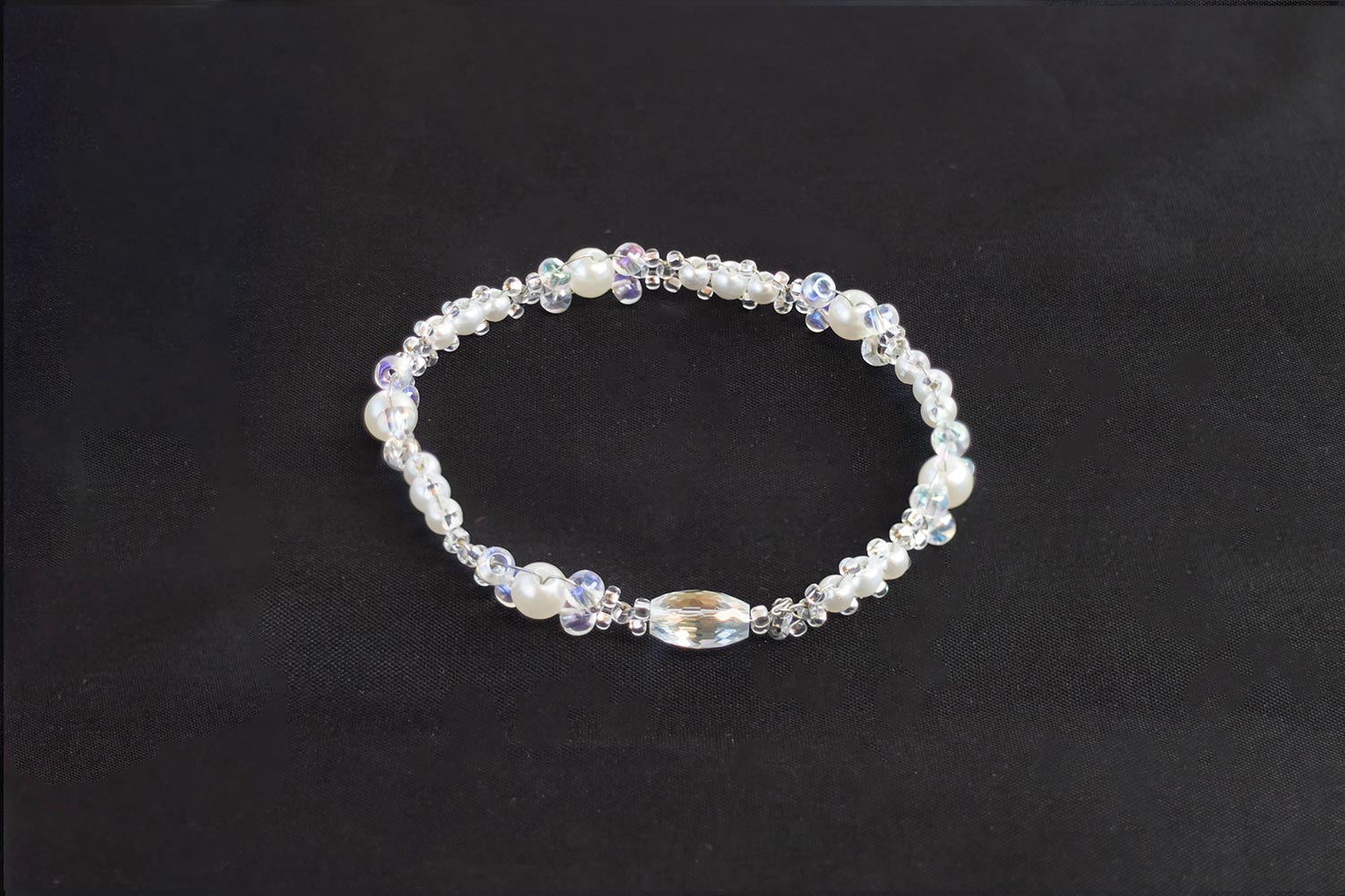
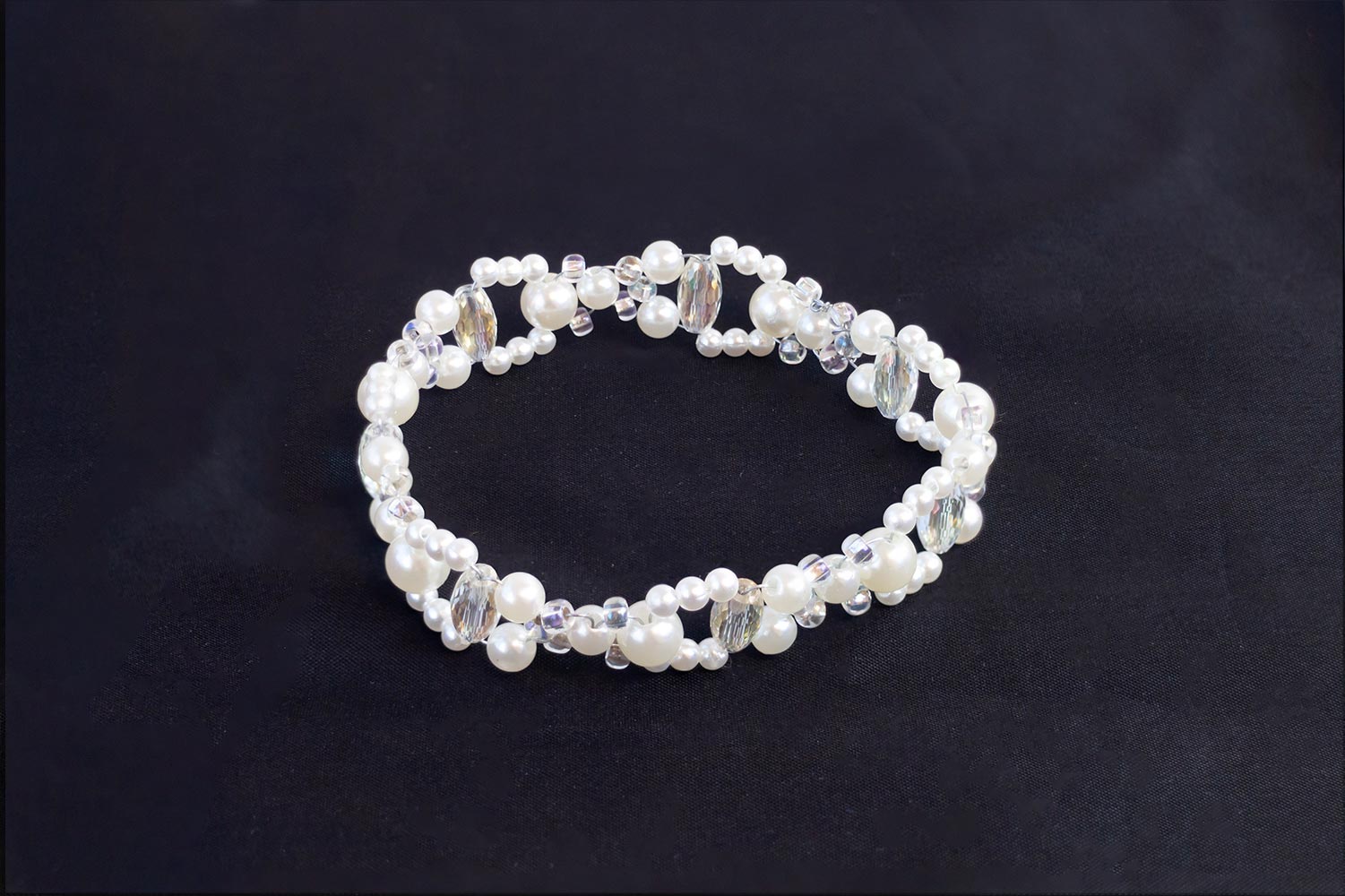
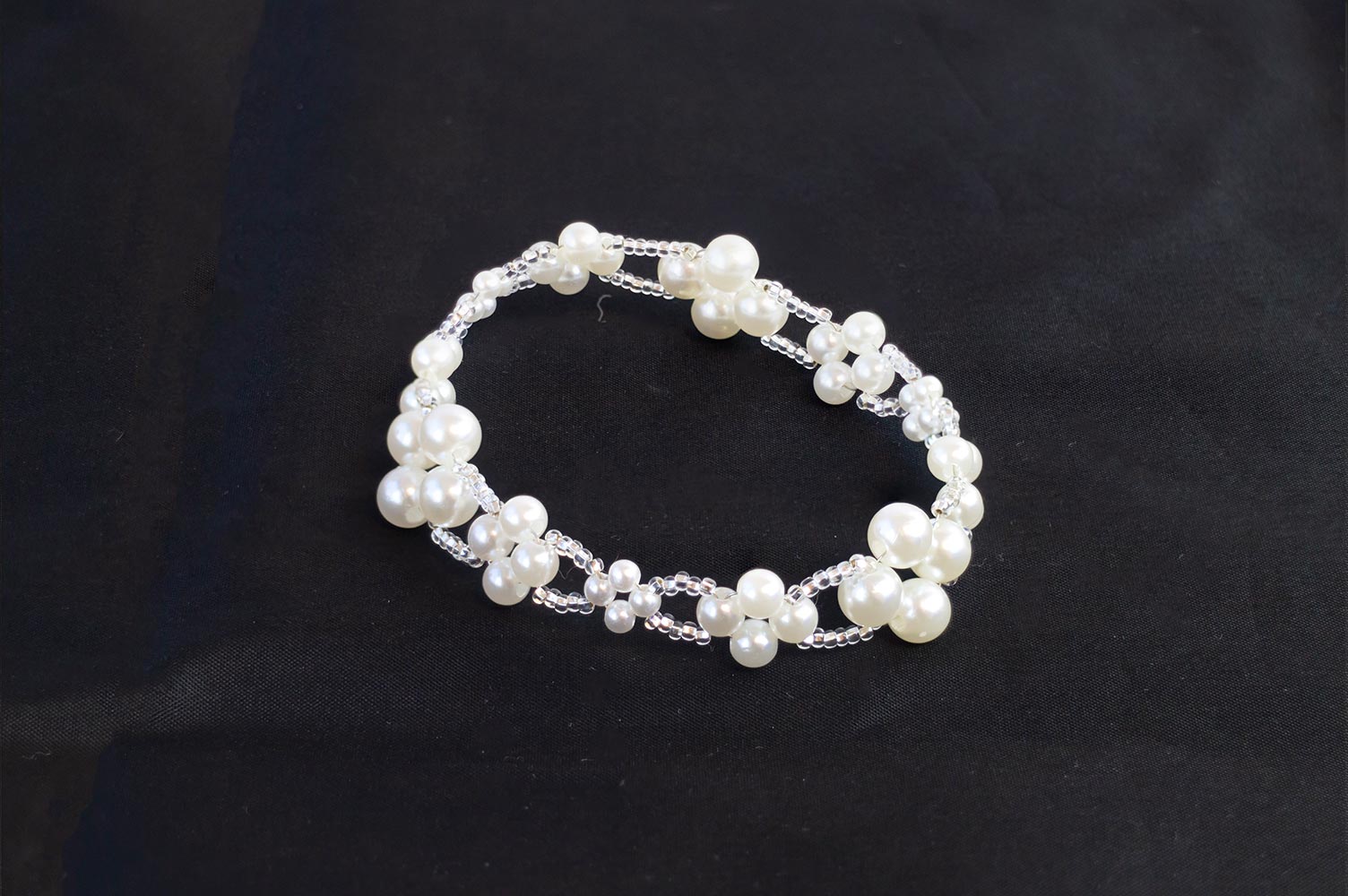
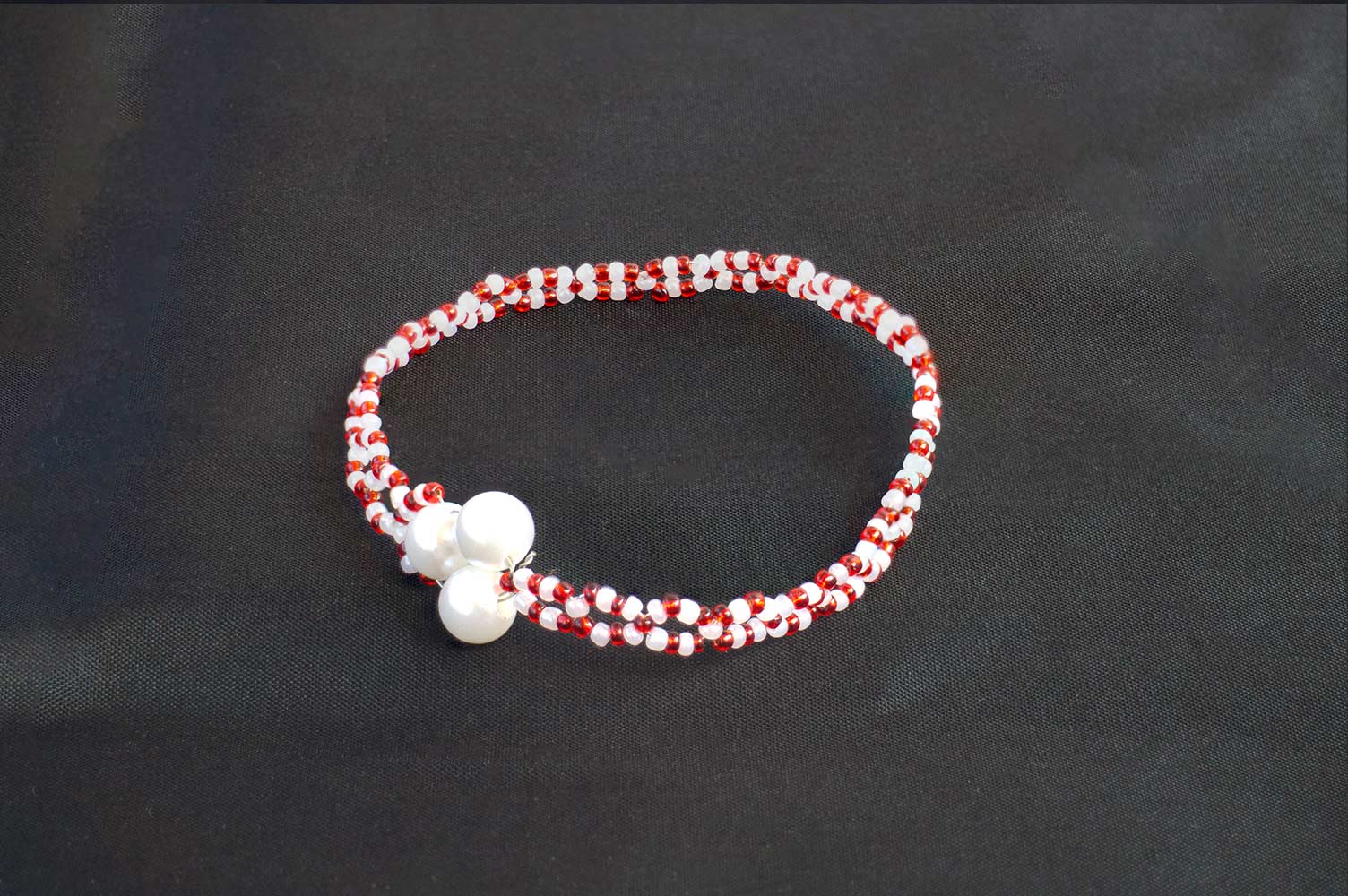
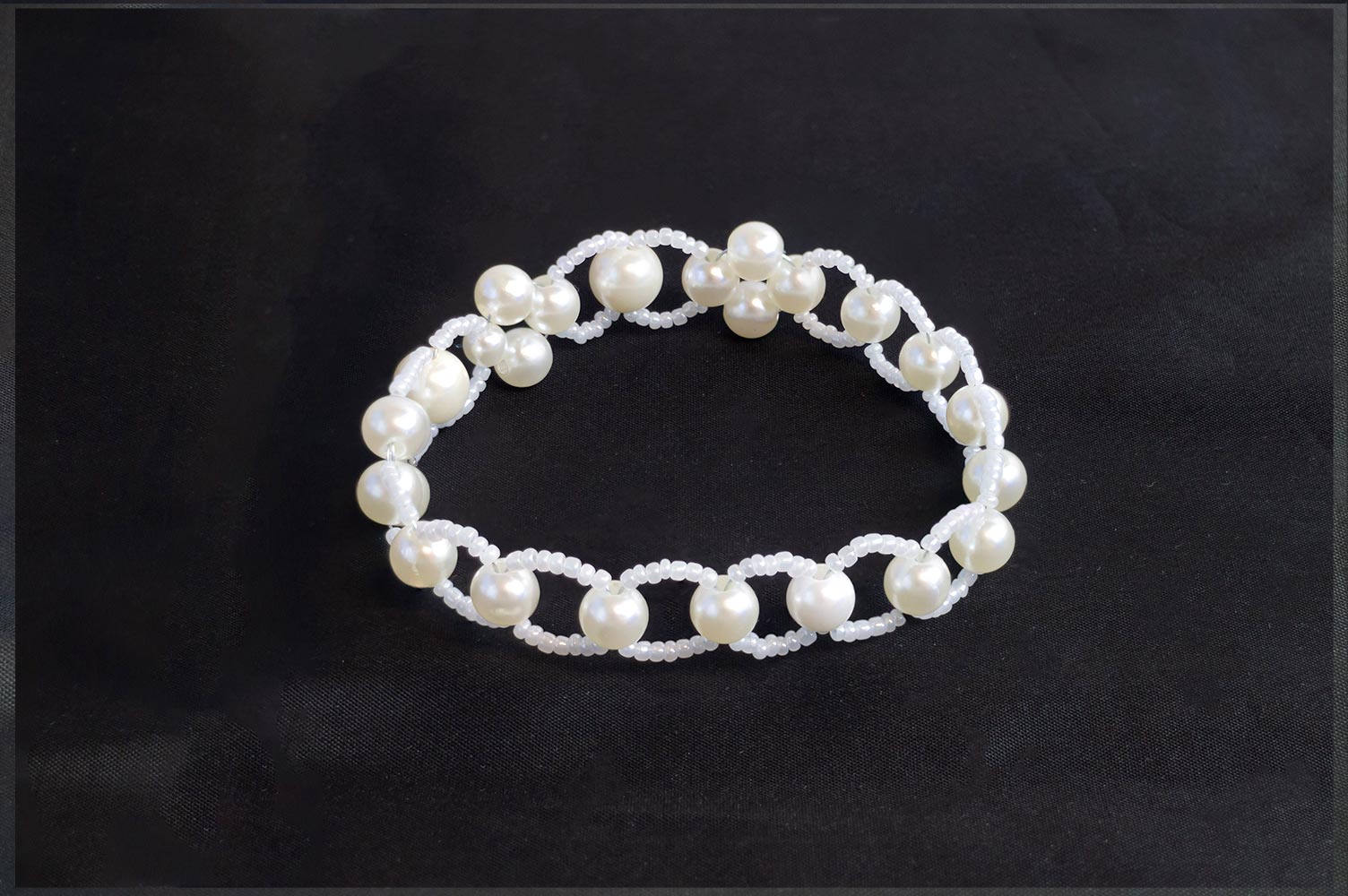
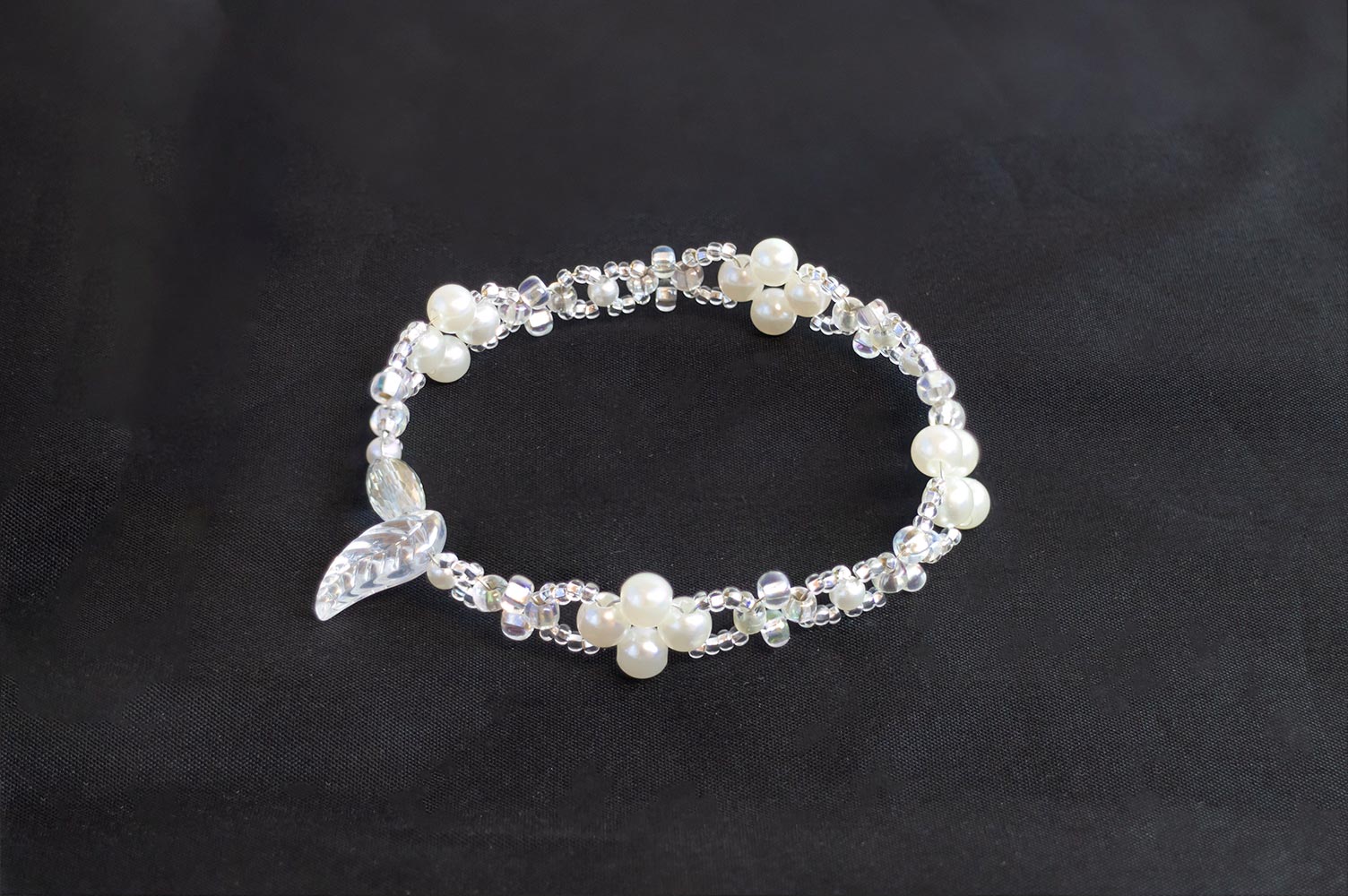
The fourth group presents sixteen photographs of handmade bracelets and necklaces composed of artificial pearls, plastics, and fabric elements. These items were also sold online, where presentation plays a decisive role in attracting attention and conveying perceived value.
Here I followed a familiar convention: placing all objects on black fabric. This approach may seem predictable, but it serves a purpose. The dark background isolates the object, suppresses visual noise, and allows lighter elements—pearls, reflective beads, metallic details—to emerge with clarity. Tradition, in this case, is simply accumulated practicality.
Even within this constraint, variation remains possible. The arrangement of each piece, the control of highlights, and the balance between softness and definition all influence how the object is read. Jewelry, unlike microscopes, invites a degree of visual indulgence—but it still benefits from discipline. The aim is not to embellish the object beyond recognition, but to present it at its best, with just enough care to make it convincing.
Jewelry photo 1
Jewelry photo 2
Jewelry photo 3
Jewelry photo 4
Jewelry photo 5
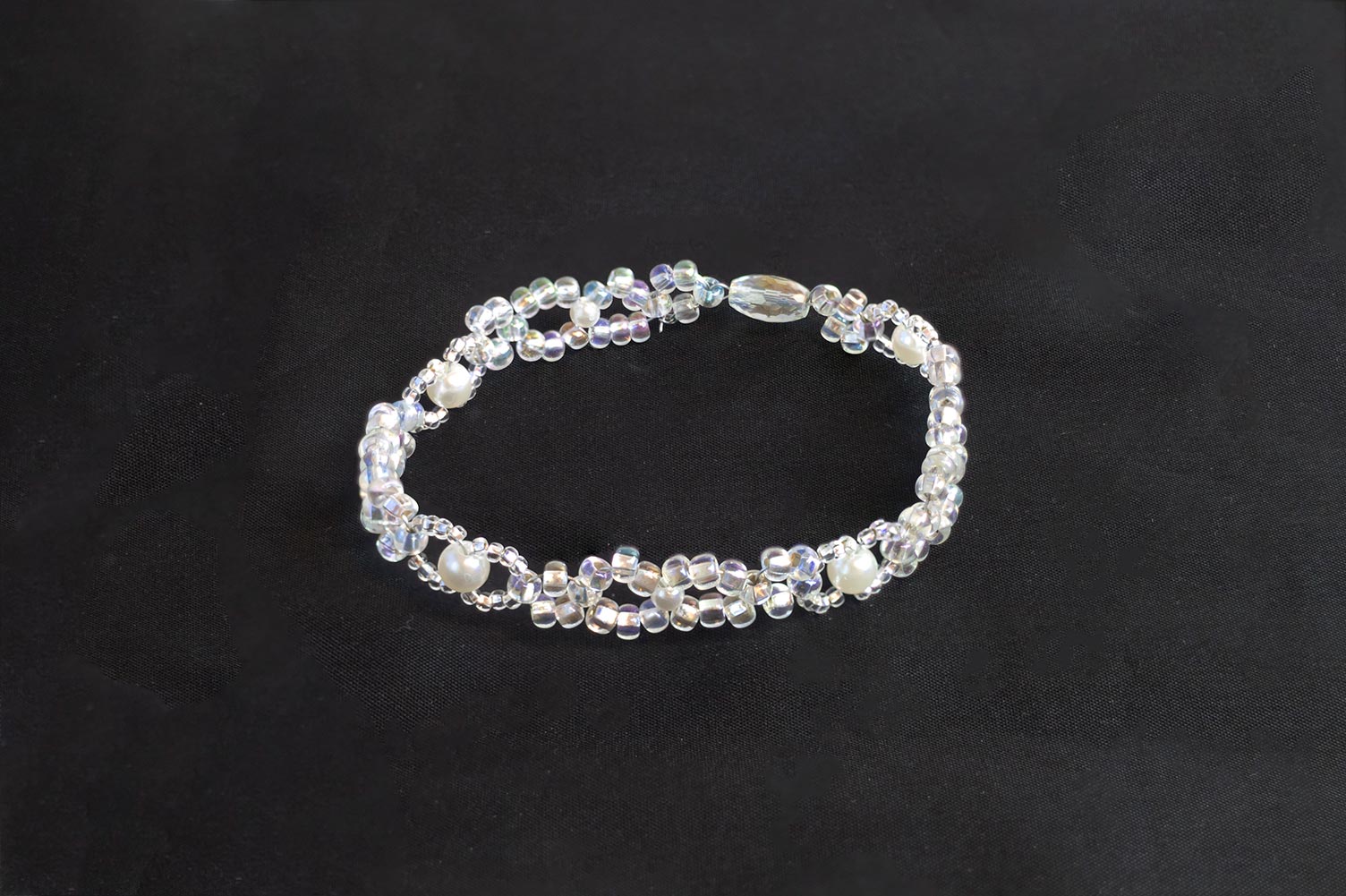
Jewelry photo 6
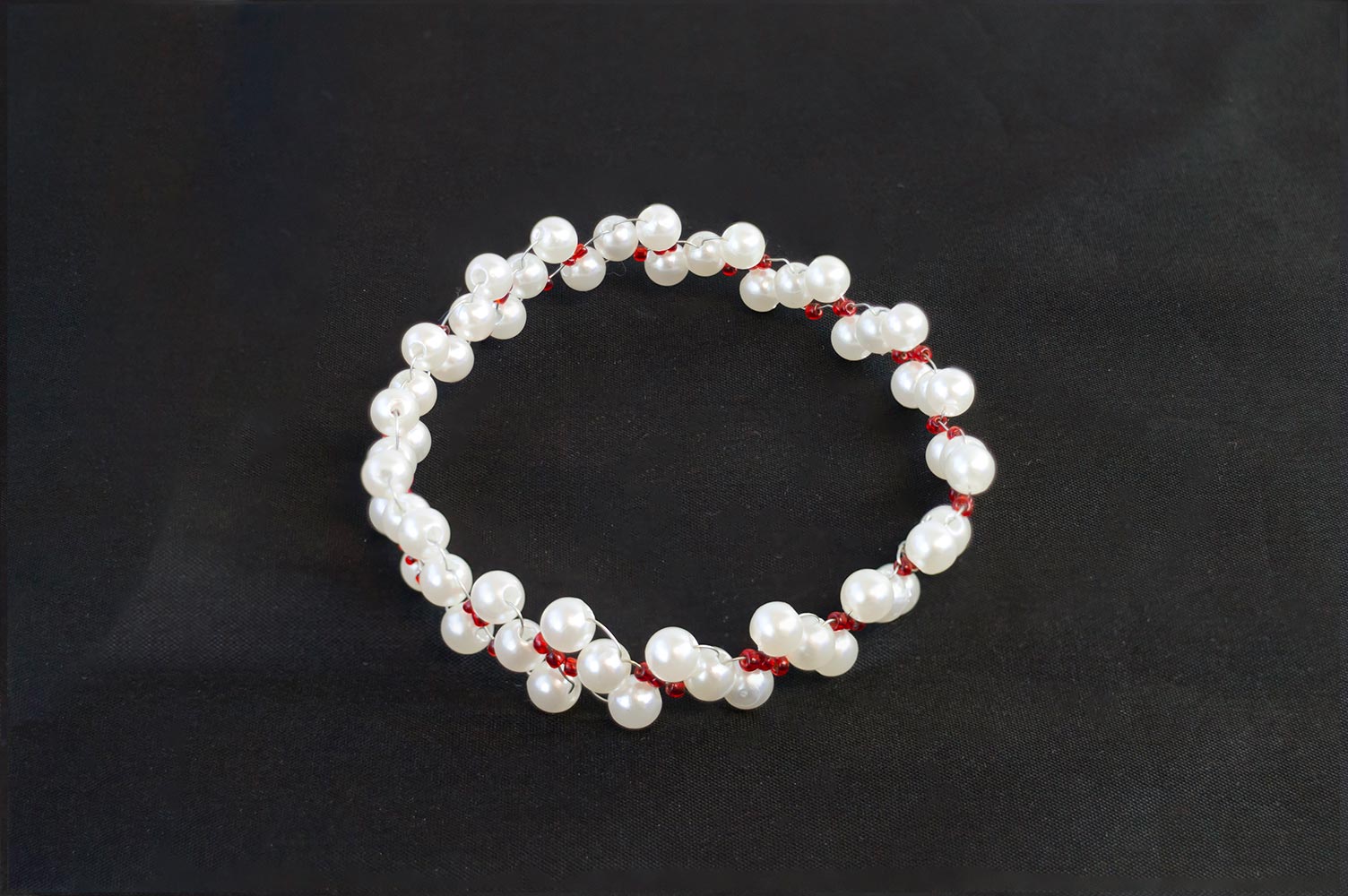
Jewelry photo 7
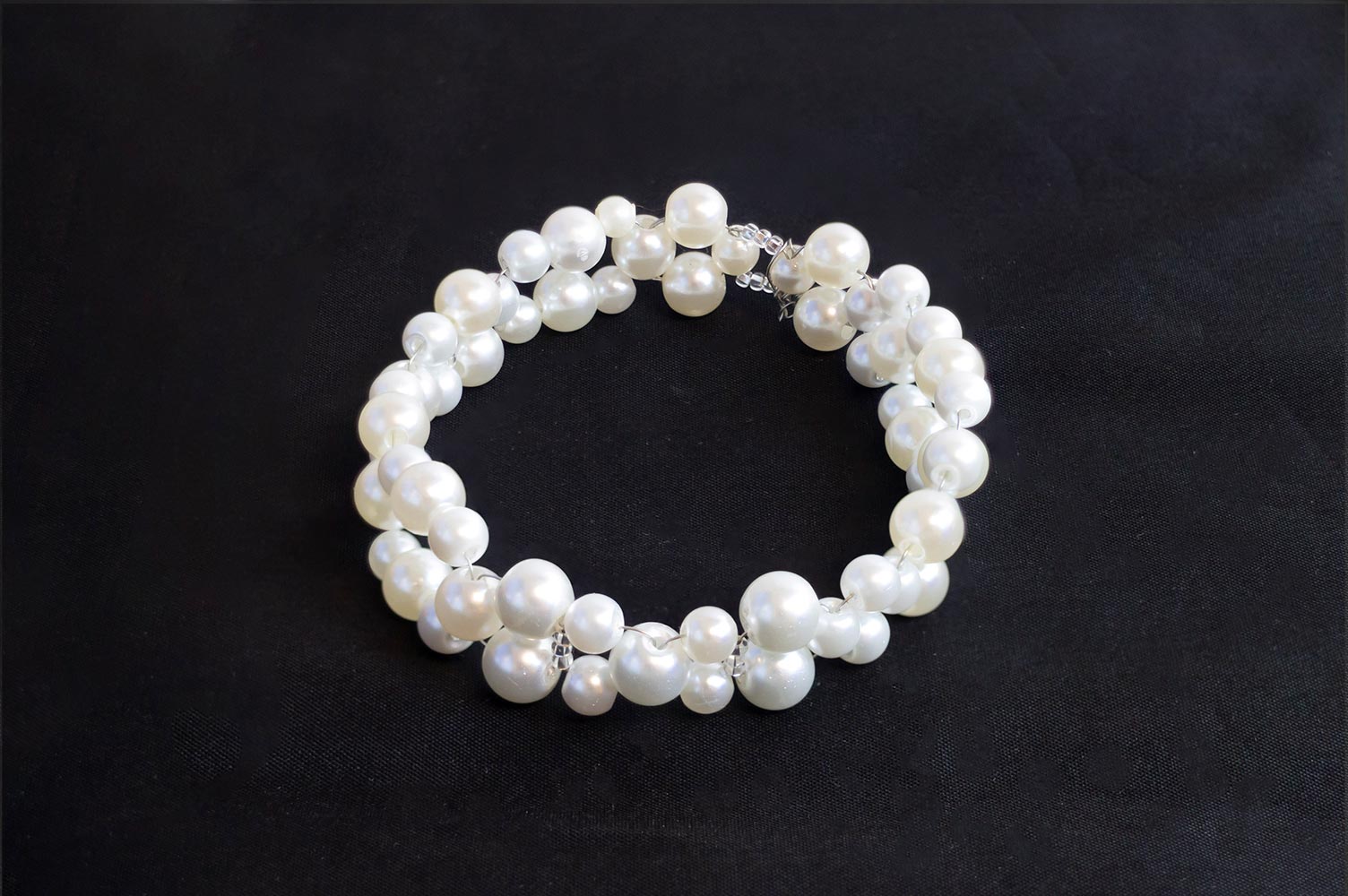
Jewelry photo 8
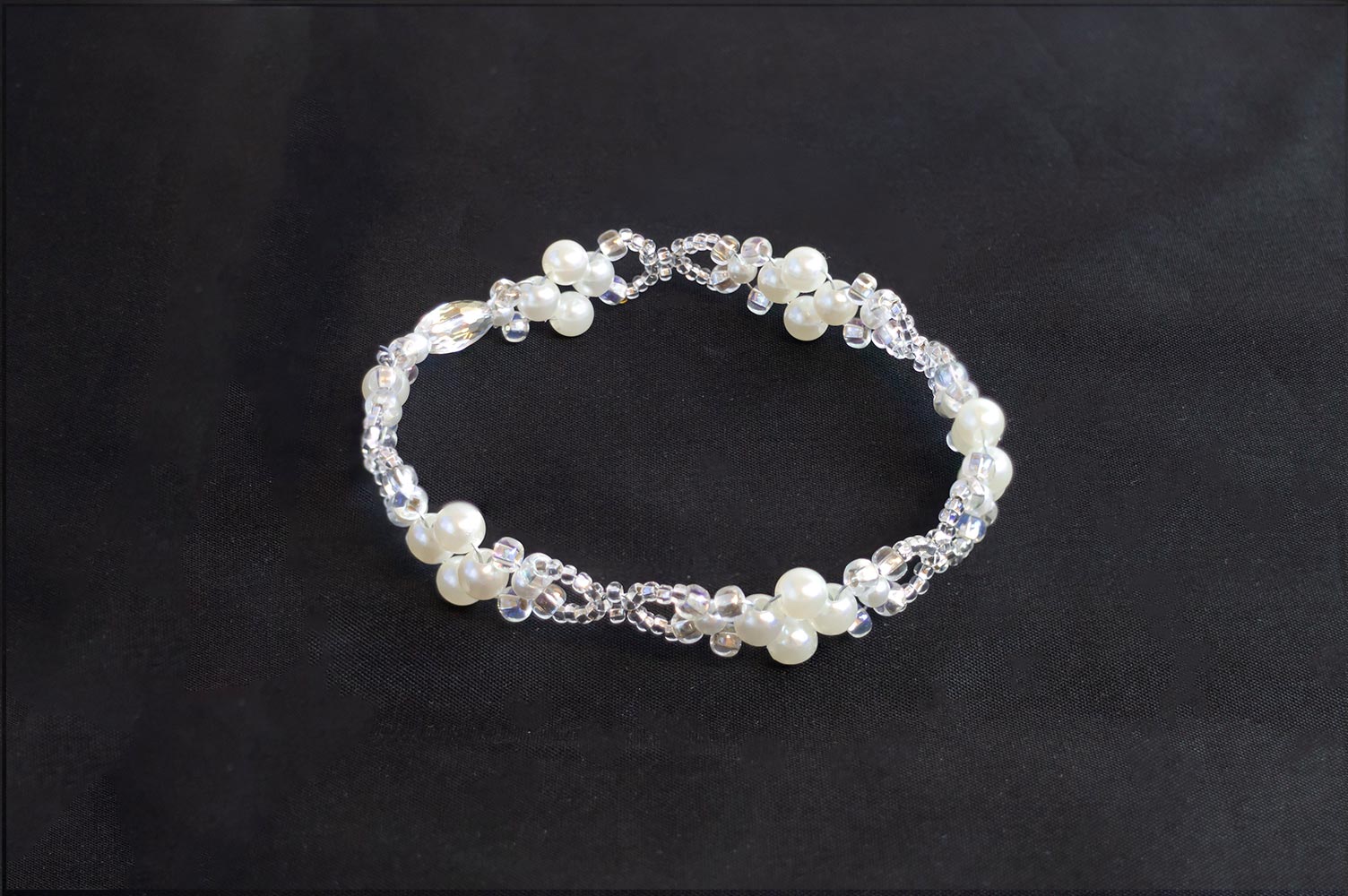
Jewelry photo 9
Jewelry photo 10
Jewelry photo 11
Jewelry photo 12
Jewelry photo 13
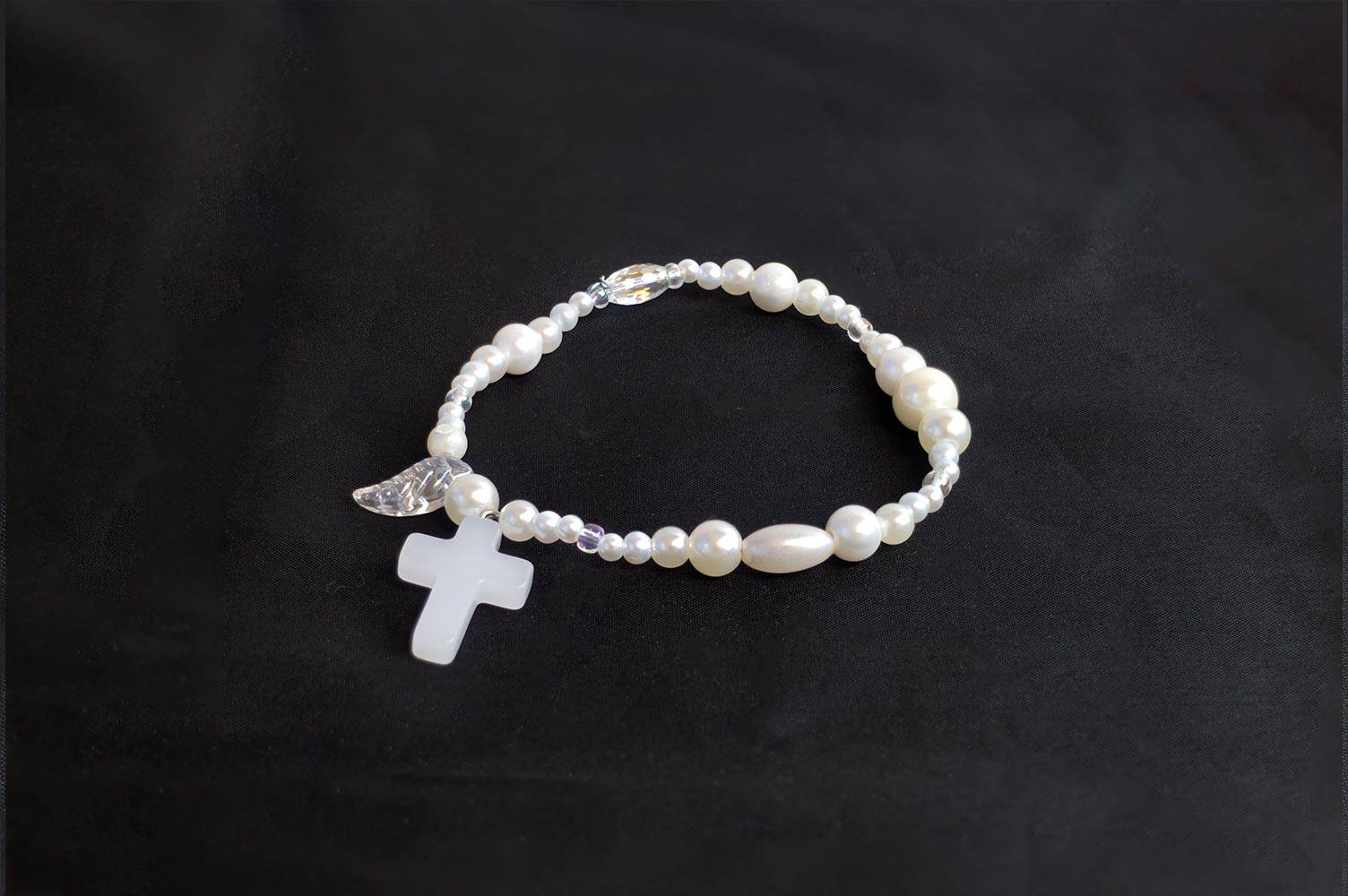
Jewelry photo 14
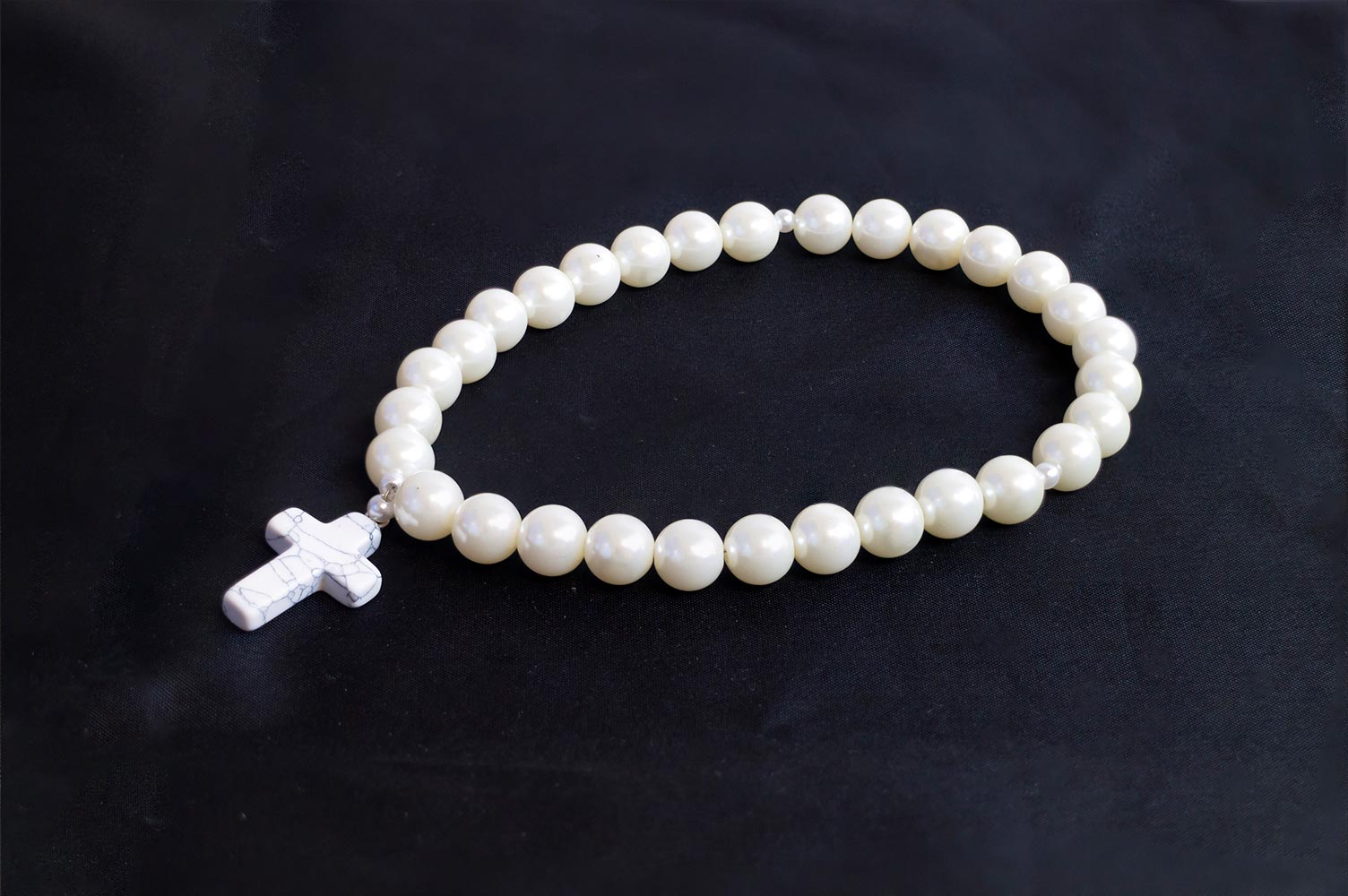
Jewelry photo 15
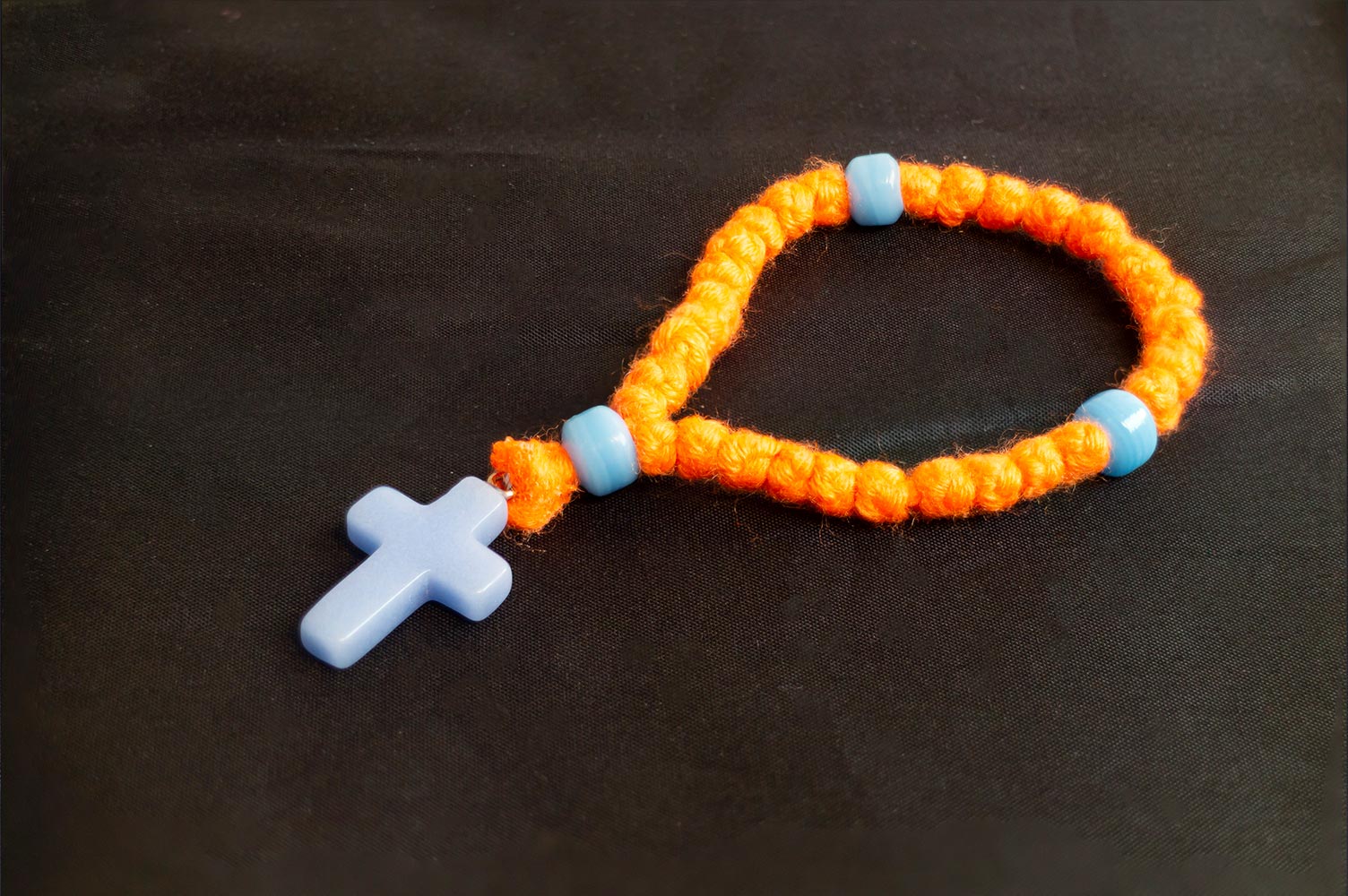
Jewelry photo 16
Fiberglass mannequin
The fifth group consists of eight photographs of a female fiberglass mannequin, which was eventually sold online. Its success may have depended on many factors, but clear and comprehensive images certainly did not hurt. A screenshot of the listing marked “sold” is included as modest evidence that photography can, at times, perform its commercial duty.
Unlike optical equipment, the mannequin introduces a quasi-human presence. It resembles a person closely enough to trigger familiar expectations, yet differs in ways that are difficult to ignore. Its pose is fixed, its expression unchanging, and its surface—though carefully finished—does not fully replicate the complexity of human skin. These constraints define the task rather than limit it.
I approached the subject systematically: full views, close-ups, front and back, facial detail, structural elements such as the detachable lower section and its top surface, as well as the base. The intent was completeness. When an object cannot move or emote, the photographer must compensate by showing everything that matters—and nothing that distracts.
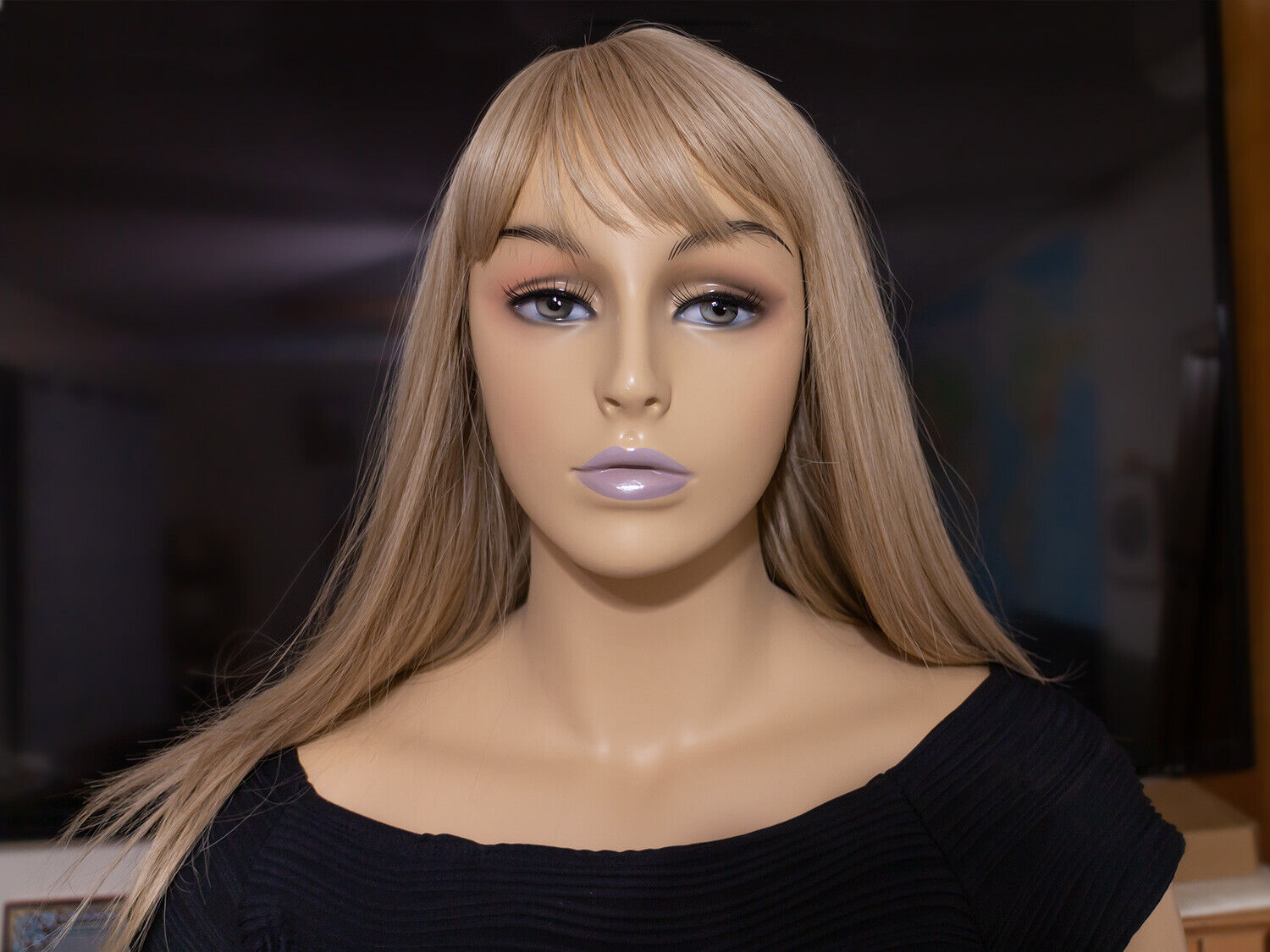
Mannequin photo 1
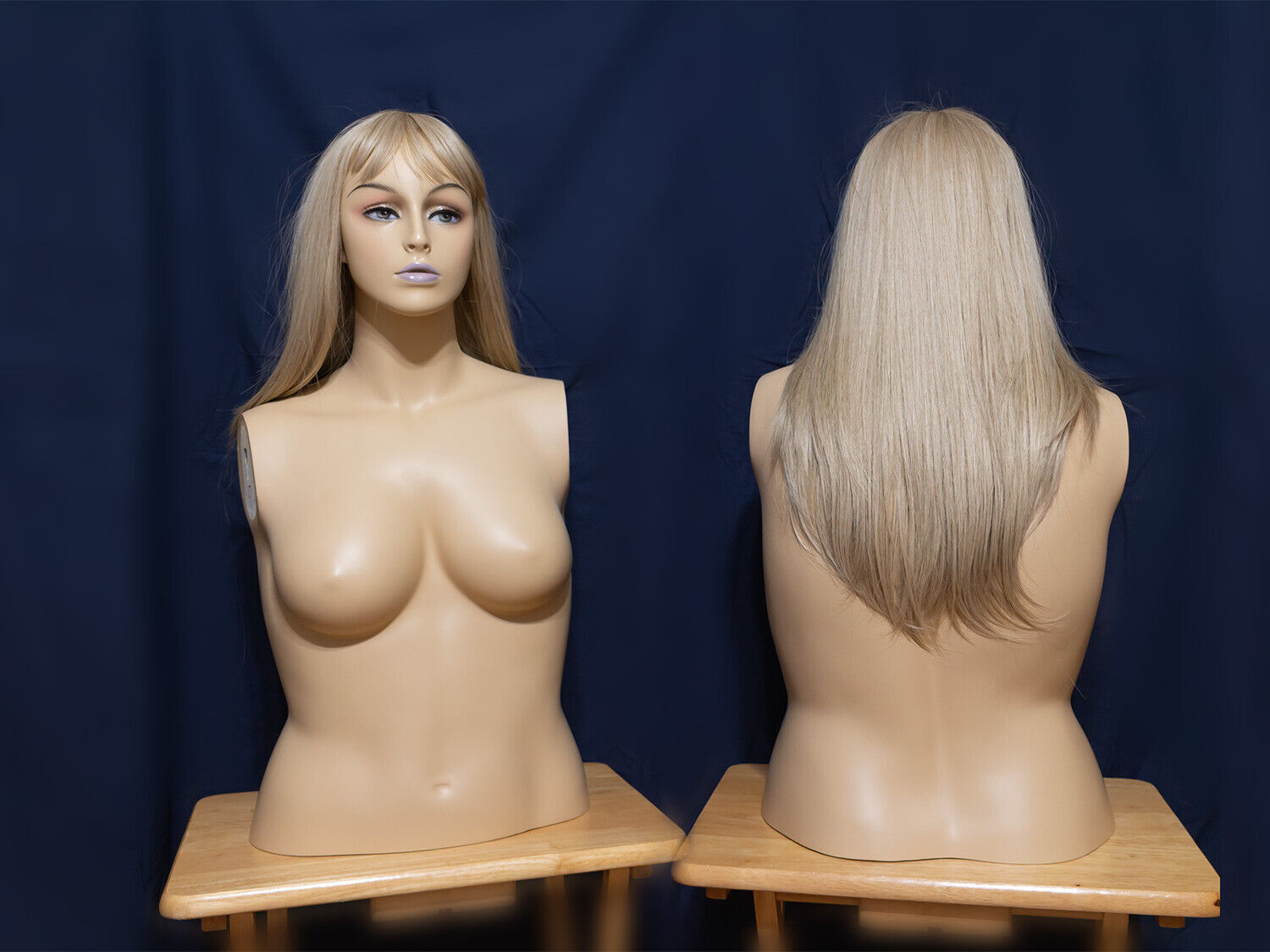
Mannequin photo 2
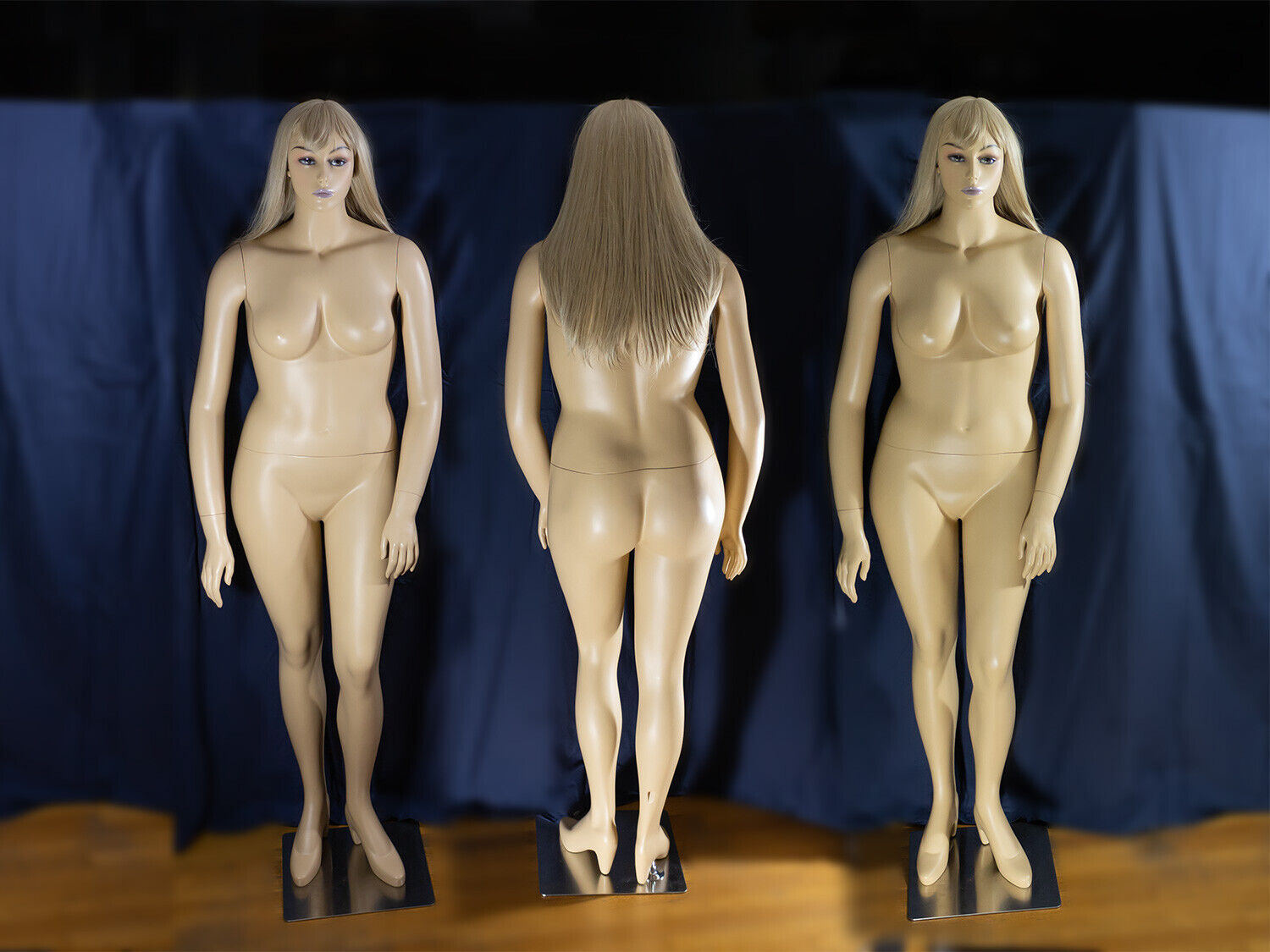
Mannequin photo 3
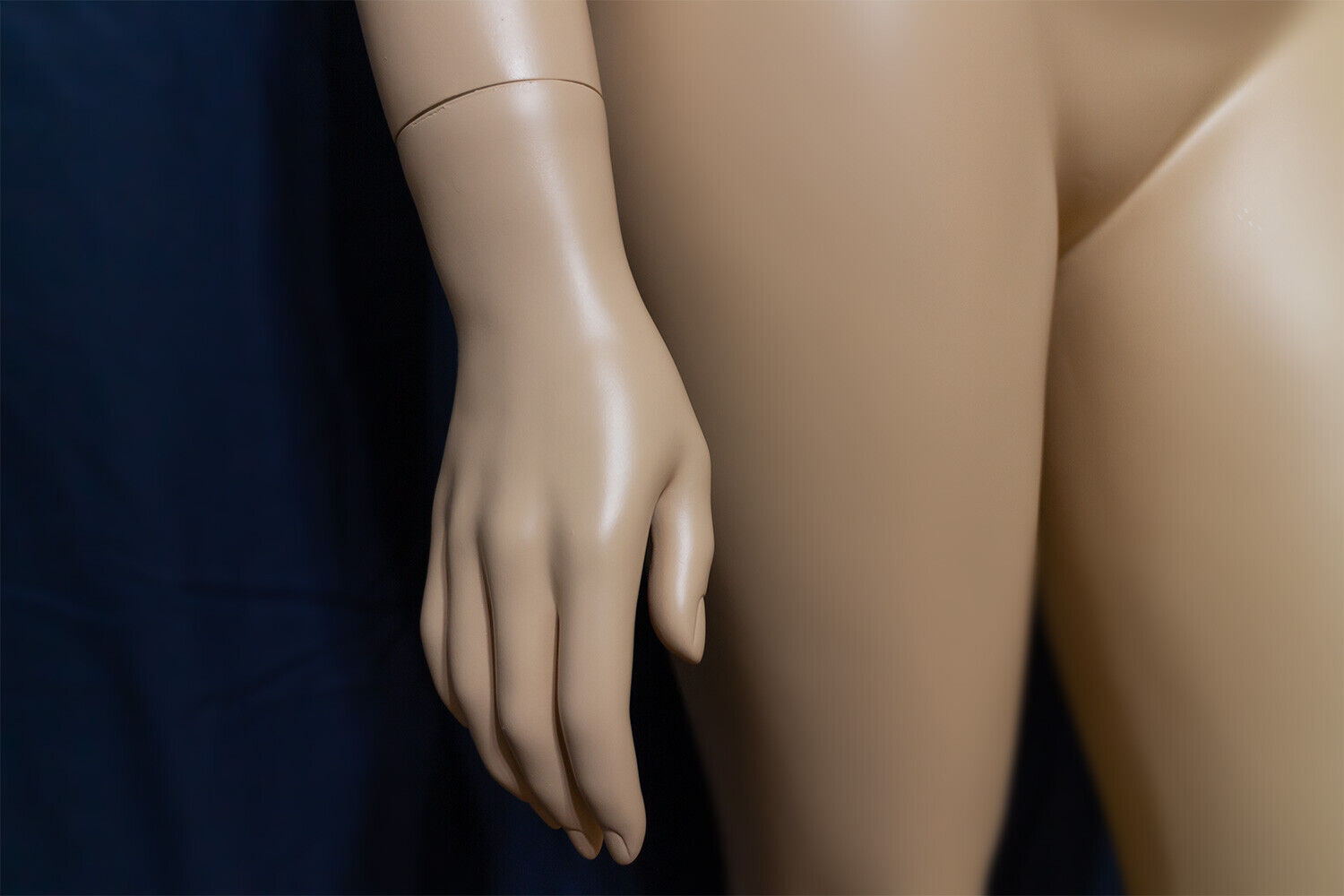
Mannequin photo 4
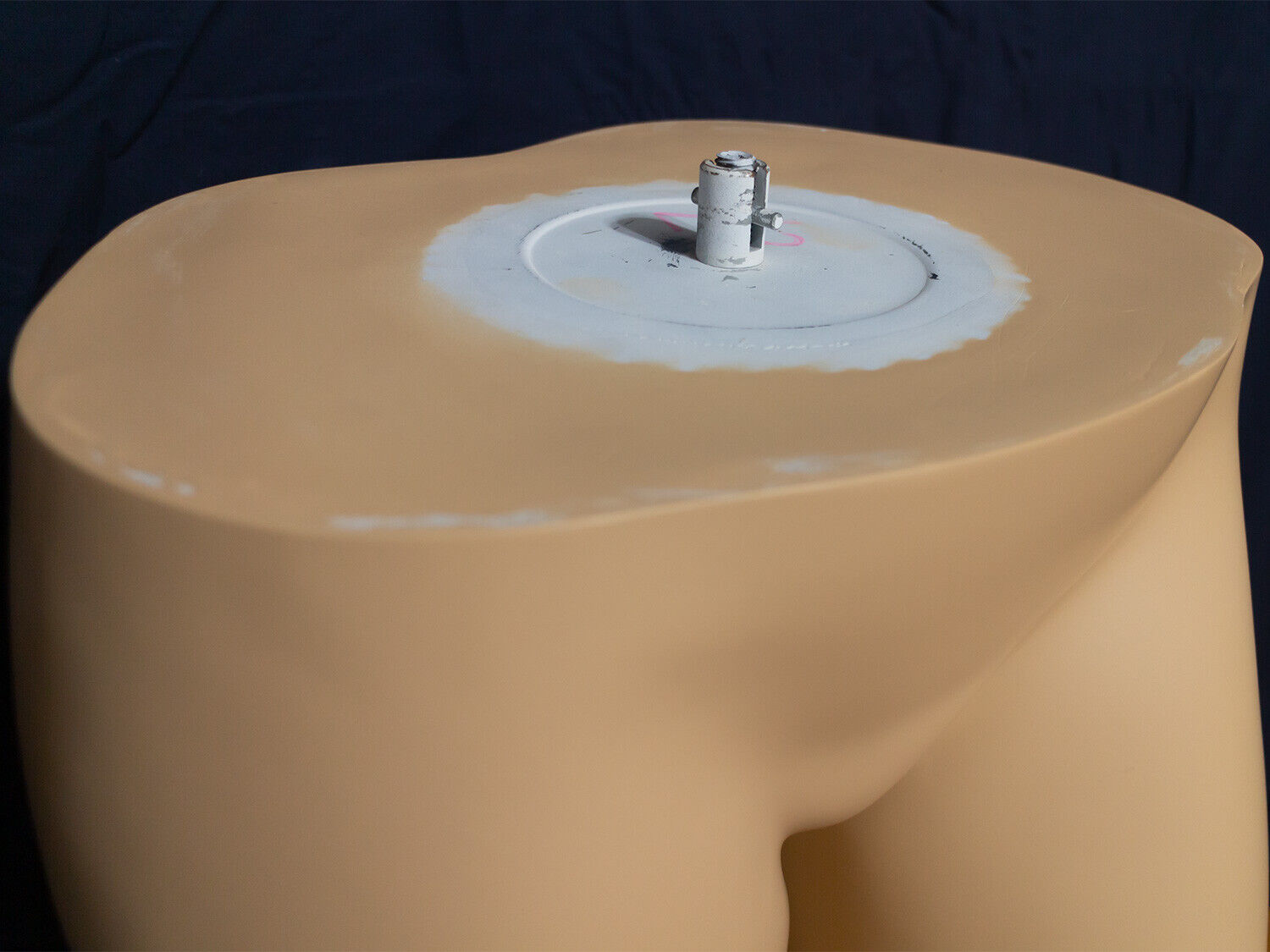
Mannequin photo 5
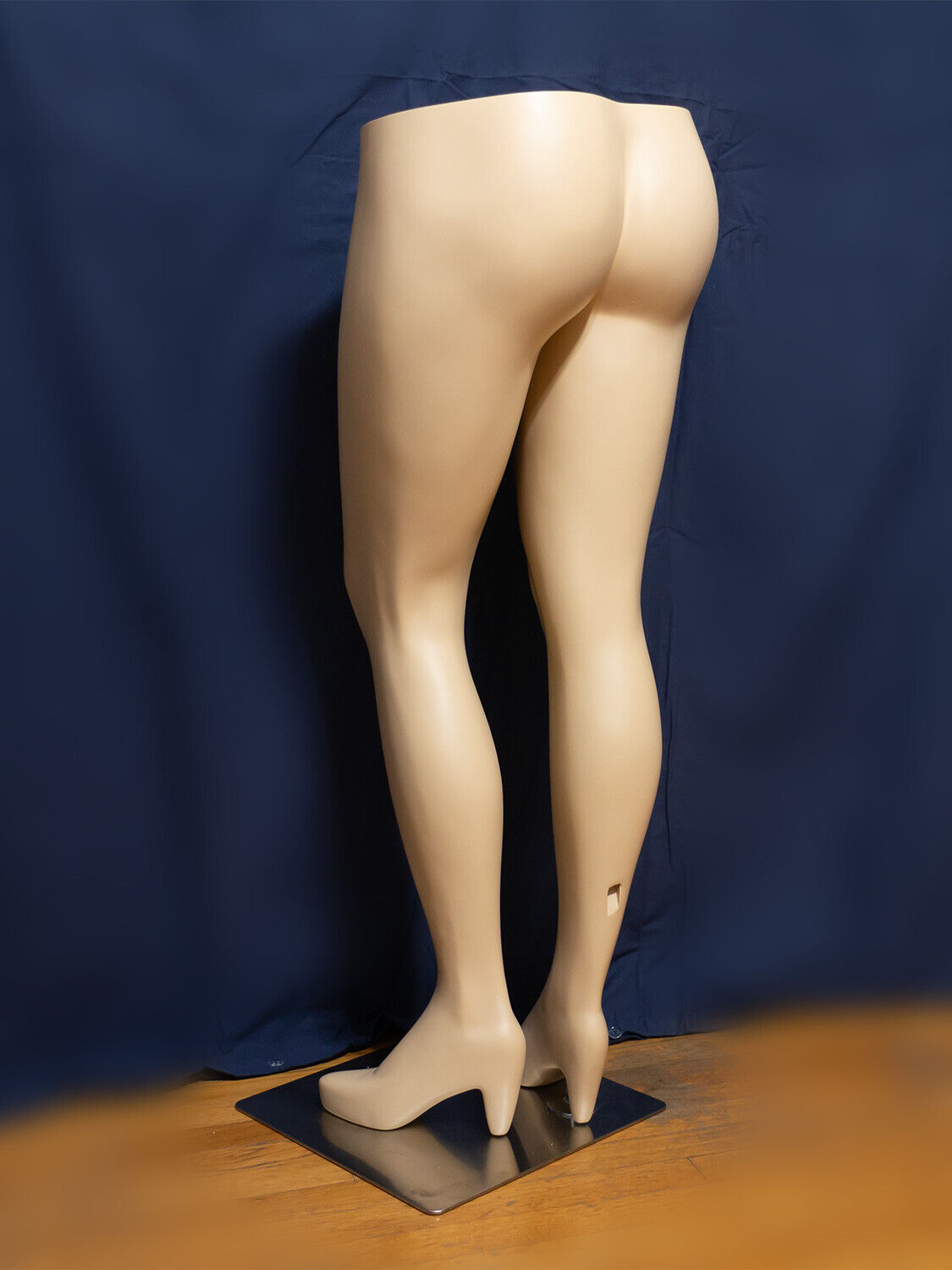
Mannequin photo 6
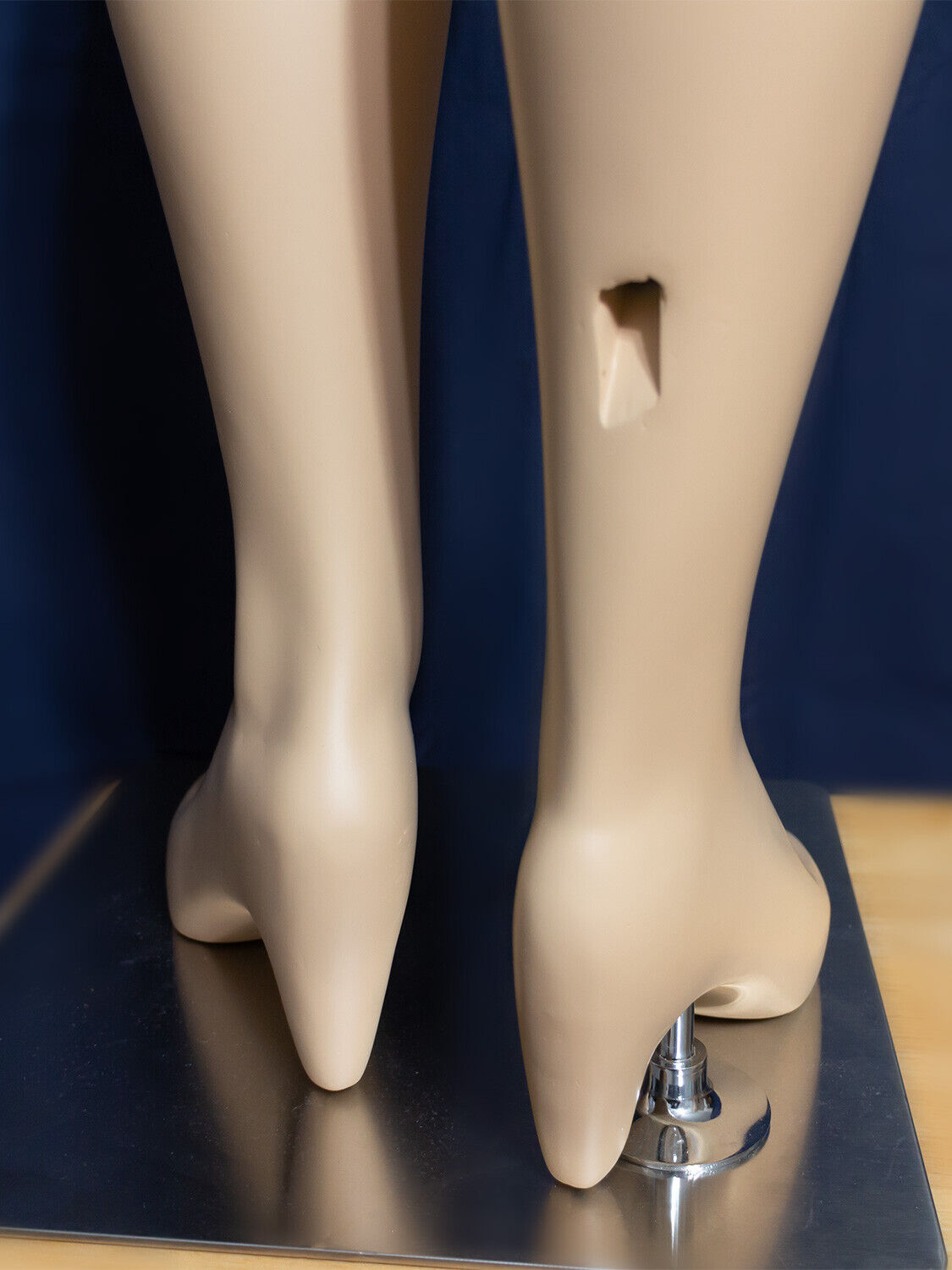
Mannequin photo 7
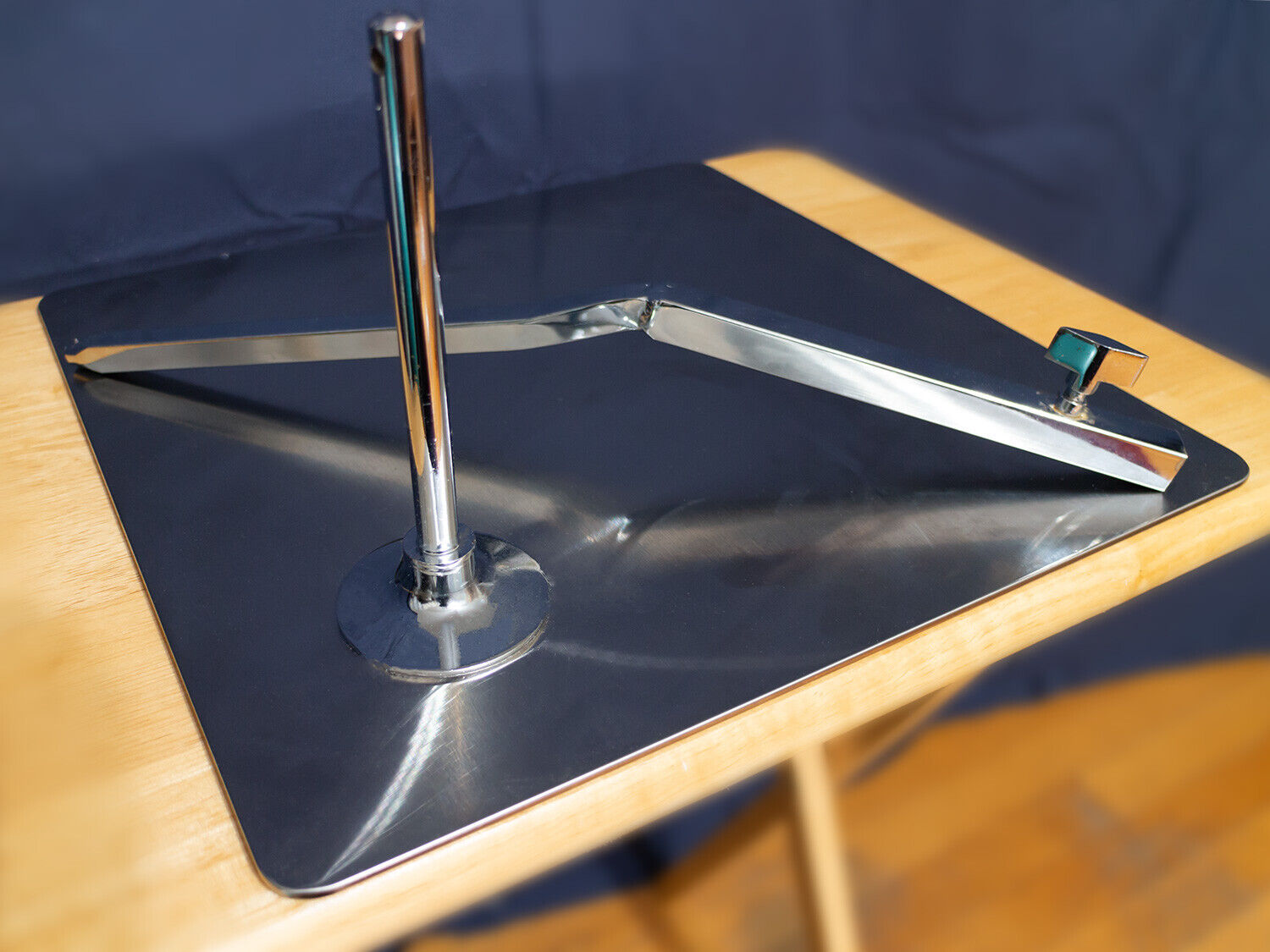
Mannequin photo 8